
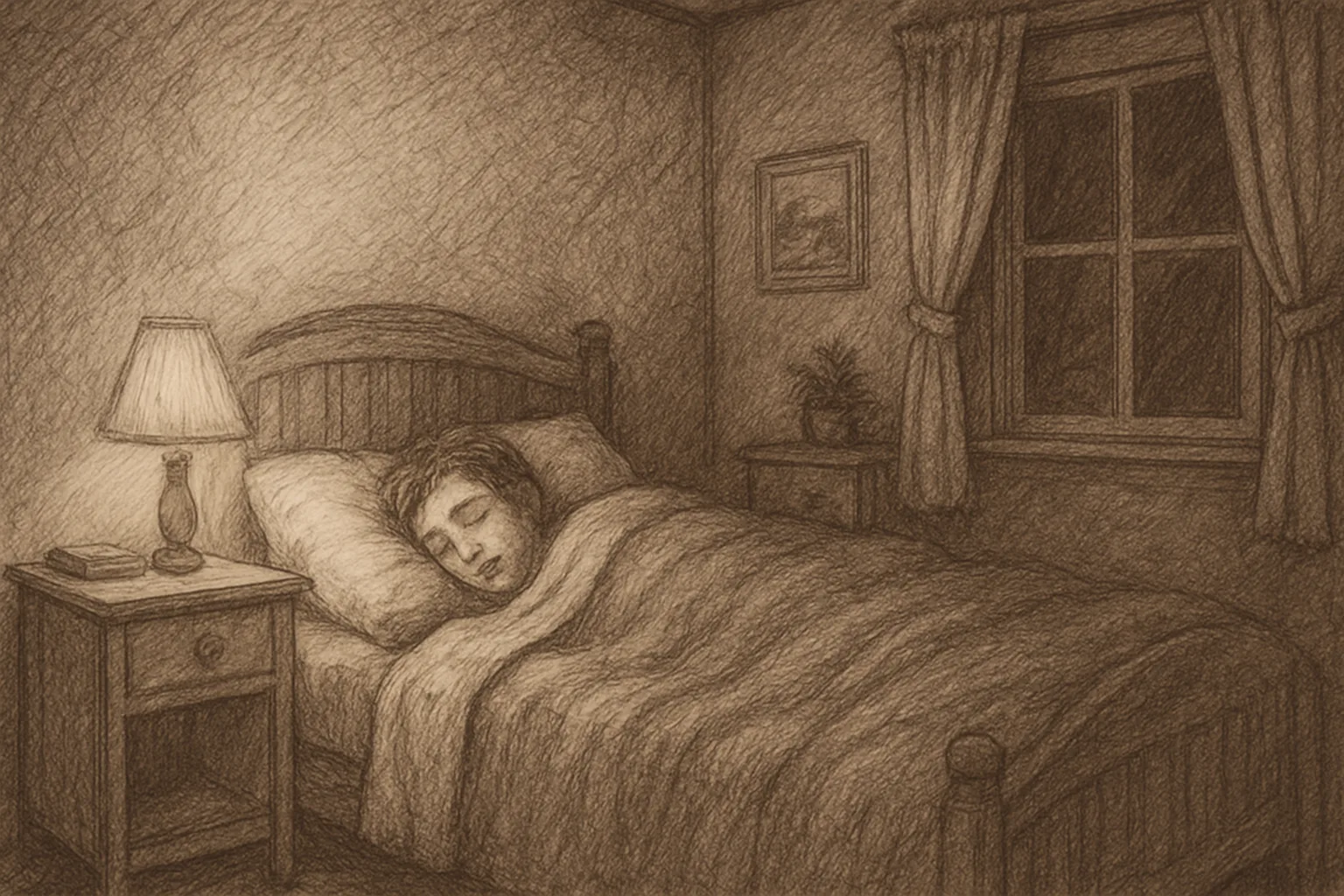
Why Good Sleep Matters
Sleep is one of the foundations of good health and wellbeing. It affects how we think, feel, and perform throughout the day. Getting enough quality sleep can improve your mood, boost your immune system, support memory and concentration, and even help maintain a healthy weight. Yet, many adults struggle with falling asleep or staying asleep, leading to tired days and restless nights.
Practical Habits for Better Sleep
Improving sleep quality doesn’t mean you need to overhaul your entire lifestyle overnight. Small, sustainable changes can make a big difference. Here are some step-by-step tips to help you get better sleep:
1. Stick to a Consistent Sleep Schedule
- Try to go to bed and wake up at the same time every day, even on weekends.
- This helps regulate your body’s internal clock and makes falling asleep easier.
2. Create a Relaxing Bedtime Routine
- Set aside 30 minutes before bed to wind down.
- Activities like reading a book, gentle stretching, or listening to calming music can signal your body that it’s time to rest.
3. Make Your Sleep Environment Comfortable
- Keep your bedroom cool, quiet, and dark.
- Invest in a comfortable mattress and pillows that support your preferred sleeping position.
- Remove electronic devices that emit light or sounds that might disturb you.
4. Be Mindful of What You Eat and Drink
- Avoid heavy meals, caffeine, and alcohol close to bedtime.
- While alcohol might make you feel sleepy initially, it can disrupt sleep later in the night.
- Instead, opt for a light snack if you’re hungry before bed, such as a small banana or a handful of nuts.
5. Get Regular Physical Activity
- Exercise during the day can help you fall asleep faster and enjoy deeper sleep.
- Try to finish exercising at least a few hours before bedtime to avoid feeling too energized.
6. Limit Screen Time Before Bed
- Electronic screens emit blue light, which can interfere with the production of melatonin, the hormone that helps regulate sleep.
- Try to switch off devices at least an hour before bed or use night mode settings.
Common Sleep Myths Debunked
There’s a lot of advice about sleep out there, but not all of it is accurate. Let’s clear up some common myths:
Myth 1: “You can catch up on sleep at the weekend.”
Truth: While extra sleep on weekends can help reduce sleep debt, relying on this pattern regularly can disrupt your body clock and make weekday sleep harder.
Myth 2: “Everyone needs 8 hours of sleep.”
Truth: Sleep needs vary between individuals, typically ranging from 7 to 9 hours for adults. What matters most is how you feel during the day.
Myth 3: “Drinking alcohol helps you sleep better.”
Truth: Alcohol might help you fall asleep faster, but it often leads to poorer quality sleep and frequent awakenings.
Myth 4: “Napping during the day ruins your night’s sleep.”
Truth: Short naps (20-30 minutes) earlier in the afternoon can boost alertness without affecting nighttime sleep for most people.
Additional Tips to Support Sleep
- Manage stress: Try relaxation techniques such as deep breathing, meditation, or journaling to ease your mind before bed.
- Limit fluid intake before bedtime: Reducing drinks close to sleep time can help avoid waking up to use the bathroom.
- Expose yourself to natural light during the day: This helps regulate your sleep-wake cycle.
When to Seek Professional Advice
If you consistently struggle with sleep despite trying these habits, or if you experience symptoms like loud snoring, gasping for air at night, or excessive daytime sleepiness, it may be helpful to speak with a healthcare professional. They can help identify any underlying issues and provide appropriate support.
Conclusion
Improving your sleep quality is a journey that can start with small, manageable steps. By creating a consistent routine, making your bedroom a restful space, and being mindful of your lifestyle habits, you can enjoy better sleep and all the wellbeing benefits it brings. Remember, it’s about progress, not perfection — so be patient and kind to yourself as you explore what works best for you.
This article provides general educational information only and is not a substitute for professional medical advice. Always consult a qualified healthcare professional for personal guidance.