
Why Focus on Lower Back Mobility?
Lower back discomfort is a common issue many adults face, often due to prolonged sitting, poor posture, or lack of movement. Improving mobility in the lower back can help ease stiffness, reduce discomfort, and make daily activities more comfortable.
Mobility differs from flexibility; it involves the ability to move a joint through its full range of motion with control. Maintaining good mobility in your lower back supports a healthier spine and can help prevent aches and pains.
Getting Started: Gentle Mobility Exercises
Before beginning any exercise routine, it’s important to move gently and listen to your body. If anything causes sharp pain, stop and consider consulting a healthcare professional.
1. Pelvic Tilts
- How to do it: Lie on your back with knees bent and feet flat on the floor, hip-width apart.
- Gently flatten your lower back against the floor by tilting your pelvis upwards.
- Hold for 5 seconds, then relax.
- Repeat 10 times, moving slowly and smoothly.
This exercise helps engage your lower abdominal muscles and encourages gentle movement in the lumbar spine.
2. Cat-Cow Stretch
- How to do it: Start on all fours with your wrists under your shoulders and knees under your hips.
- Inhale as you arch your back, lifting your tailbone and head towards the ceiling (Cow pose).
- Exhale as you round your back, tucking your chin and tailbone (Cat pose).
- Repeat this sequence 10 times, moving with your breath.
This movement promotes flexibility and gentle articulation of the spine, which can relieve tension.
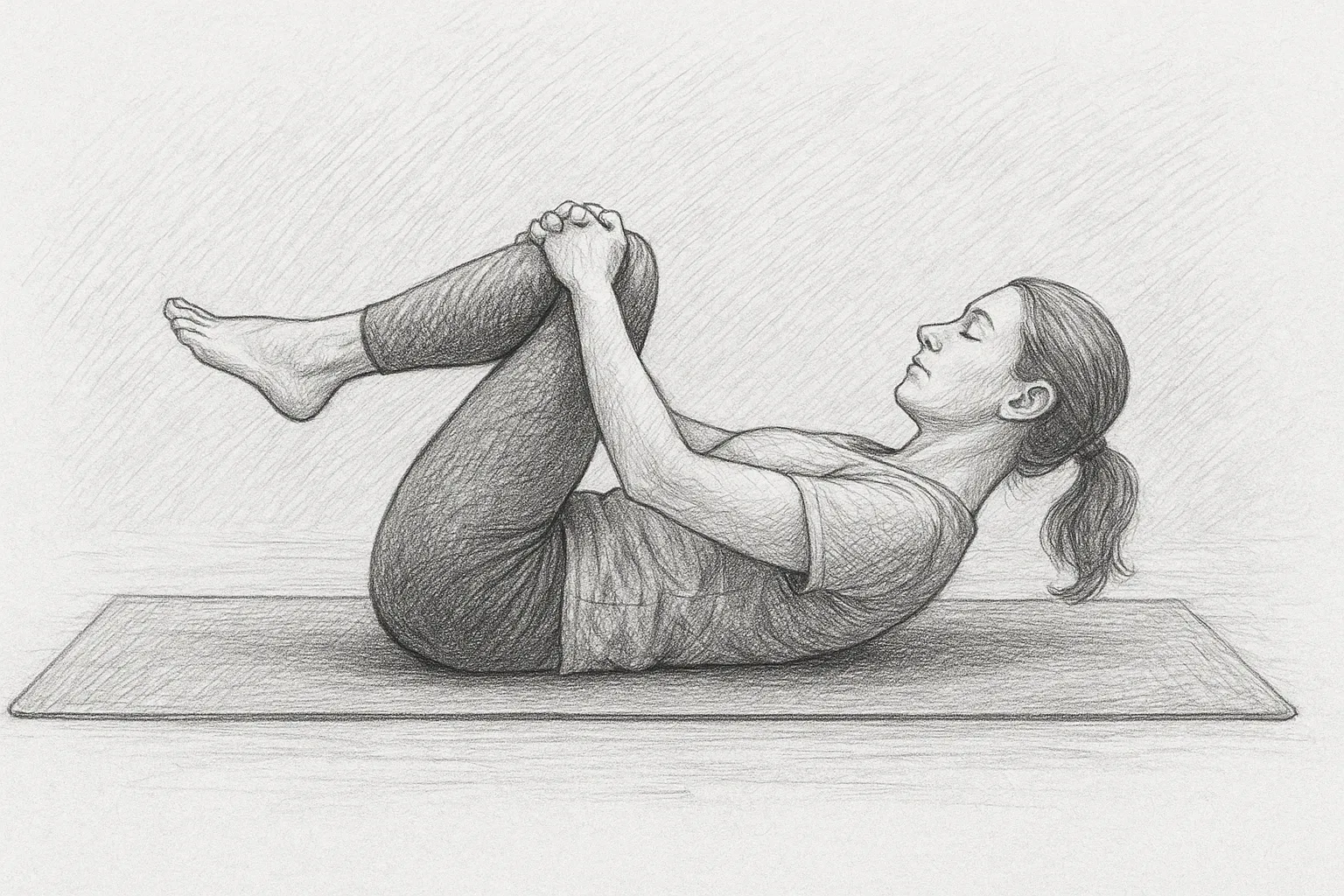
3. Knee-to-Chest Stretch
- How to do it: Lie on your back with legs extended.
- Bend one knee and gently pull it towards your chest, holding behind your thigh or shin.
- Hold for 20-30 seconds, then switch legs.
- Repeat 2-3 times on each side.
This stretch gently lengthens the lower back muscles and can ease stiffness.
4. Seated Spinal Twist
- How to do it: Sit on a chair with feet flat on the floor.
- Place your right hand on the outside of your left thigh.
- Gently twist your upper body to the left, keeping your hips facing forward.
- Hold for 20 seconds, then repeat on the other side.
This exercise encourages gentle rotational mobility in the spine, which is important for overall back health.
Incorporating Mobility Into Daily Life
Consistency is key when it comes to mobility. Here are some simple ways to include these exercises in your routine:
- Set reminders: Aim to do a short mobility routine once or twice a day, especially if you spend long periods sitting.
- Move regularly: Stand up and stretch or walk around every 30-60 minutes during work or leisure time.
- Combine with breathing: Deep, calm breathing during exercises can help relax muscles and improve effectiveness.
- Be patient: Improvements in mobility take time. Aim for gradual progress rather than pushing too hard.
Common Myths About Lower Back Mobility
Myth 1: “If it hurts, I should stop moving entirely.”
While sharp pain should never be ignored, gentle movement is usually beneficial for lower back health. Complete rest can sometimes lead to stiffness and weakness. Always move within a comfortable range.
Myth 2: “Stretching alone is enough.”
Mobility exercises involve both stretching and strengthening movements that support control and stability, which are essential for a healthy back.
Myth 3: “Only athletes need to work on mobility.”
Everyone benefits from mobility exercises, especially if you spend a lot of time sitting or have a physically demanding lifestyle.
Tips for Safe and Effective Mobility Work
- Warm up gently: Start with a few minutes of light movement or walking to prepare your muscles.
- Focus on quality, not quantity: Controlled, smooth movements are better than fast or forced stretching.
- Listen to your body: Mild discomfort is normal when moving stiff muscles, but avoid sharp or intense pain.
- Maintain good posture: Proper alignment during exercises helps avoid strain.
Conclusion
Incorporating simple mobility exercises into your daily routine can make a meaningful difference in lower back comfort. By moving gently and consistently, you support your spine’s natural flexibility and strength, helping to reduce stiffness and discomfort over time. Remember, the goal is sustainable habits that fit your lifestyle, not quick fixes. If you experience ongoing or severe pain, seek advice from a healthcare professional to explore personalised options.
This article provides general educational information only and is not a substitute for professional medical advice. Always consult a qualified healthcare professional for personal guidance.