
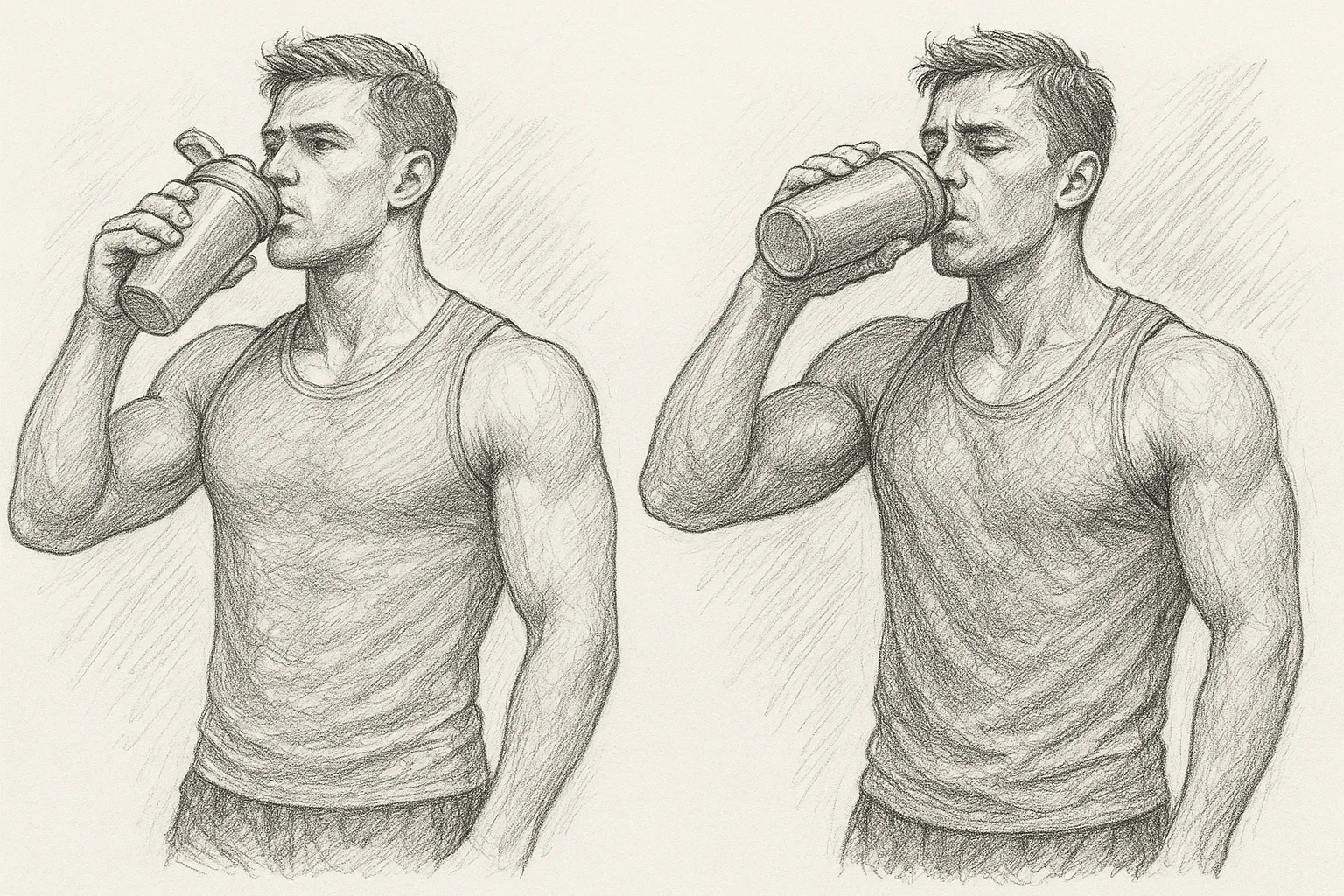
Should You Eat Protein Before or After Exercise? Understanding the Best Timing for Your Workouts
Protein plays a crucial role in supporting muscle repair, recovery, and growth, making it a popular nutrient for people who exercise regularly. But one common question that comes up is: should you eat protein before or after exercise? The answer isn’t one-size-fits-all. It depends on your goals, the type of exercise you do, and your personal preferences.
In this article, we’ll explore the benefits of consuming protein both before and after exercise, bust some common myths, and offer practical, sustainable tips to help you fuel your workouts effectively.
Why Protein Matters Around Exercise
When you exercise, especially during strength training or resistance exercises, your muscles experience tiny tears. Protein provides the amino acids needed to repair and build these muscles stronger and more resilient. Whether your goal is building muscle, improving endurance, or simply maintaining overall health, protein is an important part of your nutrition.
Eating Protein Before Exercise: What Are the Benefits?
Consuming protein before exercise can help provide your muscles with amino acids while you work out. Here’s why some choose to eat protein beforehand:
- Muscle Maintenance: Having protein before exercise may help reduce muscle breakdown during your workout.
- Energy Support: While carbohydrates are the main energy source, protein can contribute slightly and help you feel satiated, preventing hunger distractions.
- Improved Recovery: Starting with amino acids in your system can kick-start muscle repair processes.
Examples of good pre-exercise protein snacks include a small yoghurt with fruit, a boiled egg, or a slice of wholegrain bread with peanut butter. It’s best to consume these about 30 minutes to an hour before exercising to allow digestion.
Eating Protein After Exercise: Why It’s Often Recommended
Post-exercise protein is well-known for its role in recovery. After your workout, your muscles are primed to absorb nutrients to repair and grow. Eating protein during this time can:
- Enhance Muscle Repair: Amino acids from protein help rebuild muscle fibres that were stressed during exercise.
- Support Muscle Growth: If you are strength training, post-exercise protein intake can help increase muscle mass over time.
- Replenish Energy Stores: Combining protein with carbohydrates after exercise can restore glycogen levels and speed recovery.
Popular post-workout protein options include a protein smoothie with whey or plant-based protein powder, grilled chicken with vegetables, or a chickpea salad. Aim to eat within two hours after exercising for optimal benefits.
Comparing Protein Types: Whey, Casein, Soy, and Pea
If you use protein powders or supplements, you might wonder which type is best around exercise. Here’s a quick look:
- Whey Protein: Quickly digested and absorbed, making it great for post-exercise recovery. It contains all essential amino acids.
- Casein Protein: Digests slowly, providing a steady release of amino acids, which might be better for before exercise or before bedtime.
- Soy Protein: A complete plant-based protein with moderate absorption speed, suitable for before or after workouts.
- Pea Protein: Plant-based and hypoallergenic, pea protein digests at a moderate pace and can be effective both pre- and post-exercise.
The choice depends on your dietary preferences, tolerance, and when you plan to consume the protein. For example, whey might be preferred after exercise for quick recovery, while casein’s slow release suits before exercise or overnight muscle support.
Practical Tips for Protein Timing Around Exercise
- Listen to Your Body: Some people feel better eating protein before exercise, while others prefer after. Try both and see what suits your energy and digestion.
- Don’t Stress Over Exact Timing: The total amount of protein you consume throughout the day is more important than precise timing.
- Combine Protein with Carbohydrates: Especially after exercise, pairing protein with carbs helps recovery and replenishes energy.
- Keep Portions Moderate: Aim for a balanced snack or meal with around 15-30 grams of protein depending on your size and activity level.
- Stay Hydrated: Water supports digestion and muscle function, so drink plenty before and after your workouts.
- Choose Whole Foods When Possible: Foods like eggs, yoghurt, lean meats, beans, and nuts provide protein along with other nutrients.
Common Myths About Protein and Exercise
- Myth: You Must Eat Protein Immediately After Exercise or You’ll Lose Muscle. While post-workout protein helps recovery, your muscles remain receptive to nutrients for several hours.
- Myth: More Protein Means More Muscle. Excessive protein beyond your needs doesn’t build extra muscle and may strain the body.
- Myth: Only Animal Proteins Are Effective. Plant proteins like soy and pea can support muscle repair just as well when consumed in adequate amounts.
- Myth: Protein Is the Only Nutrient That Matters Around Exercise. Carbohydrates, fats, hydration, and overall diet quality also play important roles.
Conclusion: Finding What Works for You
Whether to eat protein before or after exercise largely depends on your personal preferences, type of exercise, and lifestyle. Both timings offer benefits, and the most important factor is meeting your daily protein needs consistently. Focus on balanced meals, listen to your body, and choose protein sources that you enjoy and digest well.
By adopting flexible, sustainable habits around protein intake, you can support your fitness goals without added stress or rigidity. Remember, good nutrition is part of a bigger picture that includes rest, hydration, and enjoyable physical activity.
This article provides general educational information only and is not a substitute for professional medical advice. Always consult a qualified healthcare professional for personal guidance.