
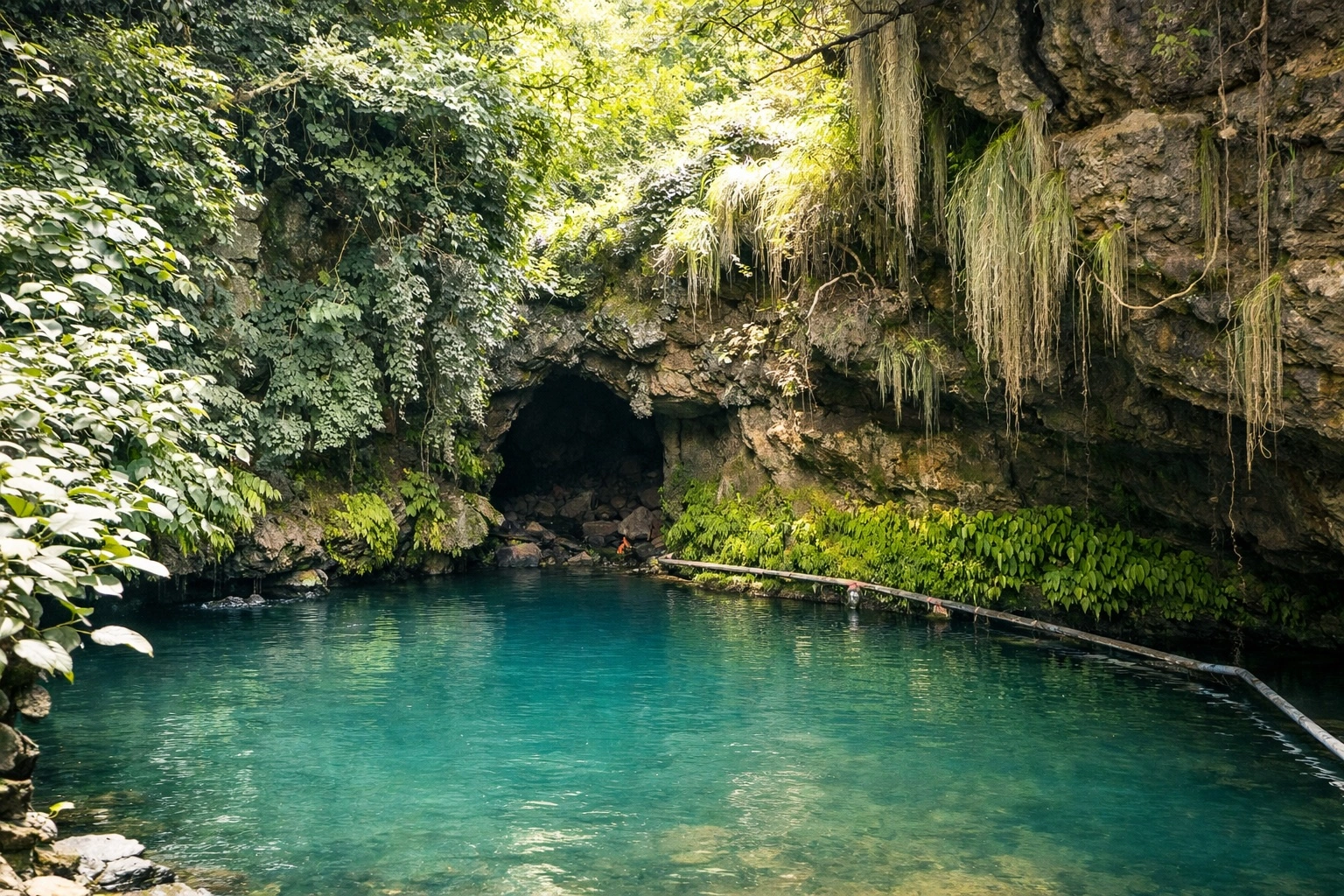
Hidden within the gentle slopes of Bilaspur in Himachal Pradesh lies Rukmani Kund, a serene, sacred pool steeped in legend and reverence. To the casual traveller, it may seem like a quiet water body shimmering among the Shivalik foothills — but for generations of locals, it has been a site of devotion, myth, and timeless mystery.
Where Mythology Meets the Mountains
The story of Rukmani Kund traces back to the ancient lore of Rukmani Devi, whose selfless act of sacrifice is woven into the identity of this land. Local tradition — preserved in song and story — tells of a time when the surrounding region suffered a devastating drought. In response to her people’s desperation, Rukmani offered herself in prayer and penance, and the earth responded with a life‑giving spring at her feet. That spring became Rukmani Kund, a symbol of faith and renewal that endures through the ages.
A Place of Faith, Identity & Living Tradition
Even today, villagers and pilgrims approach the Kund not as a mere scenic reservoir but as a living shrine. Its waters are believed to hold healing qualities, and grass known locally as “Baggad” — thought to represent Rukmani’s long hair — drapes from the surrounding rock faces. Visitors often tie ribbons, bangles, and offerings to these strands in tribute to her courage.
There is also a small temple at the site where devotees light lamps and offer prayers to honour Rukmani’s sacrifice. While bathing or swimming in the Kund’s waters is currently discouraged — and in many accounts prohibited — visitors can still stand at the water’s edge and absorb the quiet sanctity of this ancient place.
Beyond its mythic resonance, the Kund also serves a practical role: it supplies water to nearby villages, linking Rukmani’s legacy with the everyday life of the community.
How to Reach Rukmani Kund
Rukmani Kund is located in Salasi in the Bilaspur district of Himachal Pradesh, nestled in the dense Shivalik Hills about 28 km from Bilaspur town.
- By Road: The most common route is via Bilaspur — take the Bhager‑Gehrwin road toward Auhar, then a smaller rural track leads closer to the site.
- Last Public Transport Stop: The last scheduled stop tends to be Auhar; from there a local vehicle or walk is necessary.
- Nearest Rail & Air Links: The closest railway connection is Anandpur Sahib, and the nearest major airport hubs are Chandigarh or Shimla.
The final approaches to the Kund are on rural, unmetalled roads — making a private vehicle or local taxi the most reliable way to visit.
Nearby Landmarks & Attractions
- Bhakra Dam & Gobind Sagar Lake — One of India’s largest gravity dams and its vast reservoir offer both striking views and engineering heritage.
- Naina Devi Temple — A major pilgrimage site on a hilltop overlooking the Gobind Sagar with stunning panoramic views.
- Kandrour Bridge — A historic bridge across the Sutlej River beloved by visitors for its architectural character.
- Other local temples and cultural sites — Including ancient shrines and traditional forest paths that make exploring Bilaspur’s heritage a rich experience.
What You’ll Find at the Site Today
Today, Rukmani Kund remains a relatively quiet and undeveloped heritage site — its charm rooted not in modern tourism infrastructure but in its natural presence and cultural memory. There is a small temple structure devoted to Rukmani and space for prayer and offerings beside the pond, but otherwise there are no major government offices or large commercial establishments directly at the Kund itself.
Local reviews note limited facilities such as basic seating areas or informal pathways, but also call for better maintenance and cleanliness, suggesting that the site still retains a rustic, authentic atmosphere rather than a polished tourist zone.
A Reflection from the Hills
“In the stillness beside the water, you can feel the echo of courage that once shaped this valley.”
This quiet place of past sacrifice and present devotion reminds us that landscapes carry stories — not only of geology and time, but of human faith, remembrance, and continuity.
Explore the lesser-known history of Bilaspur, Himachal Pradesh, through our ongoing blog series: