
Protein for Women: Common Questions Answered
Protein is a vital nutrient that supports many functions in the body, from building muscle to maintaining healthy skin and hair. For women, understanding how much protein to consume, the best sources, and common myths can help create sustainable habits that support long-term health and wellbeing. In this article, we’ll address the most common questions about protein for women, provide practical tips, and compare popular protein sources like whey, casein, soy, and pea.
Why Is Protein Important for Women?
Protein plays a crucial role in:
- Repairing and building muscles and tissues
- Supporting a healthy immune system
- Producing enzymes and hormones
- Maintaining healthy skin, hair, and nails
- Keeping you feeling full and satisfied after meals
Women have unique protein needs depending on their age, activity levels, and life stages such as pregnancy or menopause. Getting enough protein supports energy, recovery from exercise, and overall wellbeing.
How Much Protein Do Women Need?
The general recommendation for protein intake is about 0.75 grams per kilogram of body weight for most adults. For example, a woman weighing 65 kg (around 143 lbs) might aim for approximately 49 grams of protein daily.
However, protein needs can vary based on lifestyle:
- Active women: Those who exercise regularly may benefit from slightly higher protein (around 1.0–1.2 grams per kg) to support muscle repair and recovery.
- Pregnant or breastfeeding women: Protein needs increase during these times to support the baby’s growth.
- Older women: Protein can help preserve muscle mass and bone health as the body ages.
It’s best to spread protein intake evenly across meals to maximise absorption and benefits.
What Are Good Protein Sources for Women?
Protein can come from both animal and plant sources. Each type offers different benefits, and choosing a variety helps cover all essential amino acids and nutrients.
Animal-Based Proteins
- Whey Protein: Derived from milk, whey is a complete protein that digests quickly, making it popular for post-workout recovery.
- Casein Protein: Also from milk, casein digests more slowly, providing a steady release of amino acids, often used before sleep.
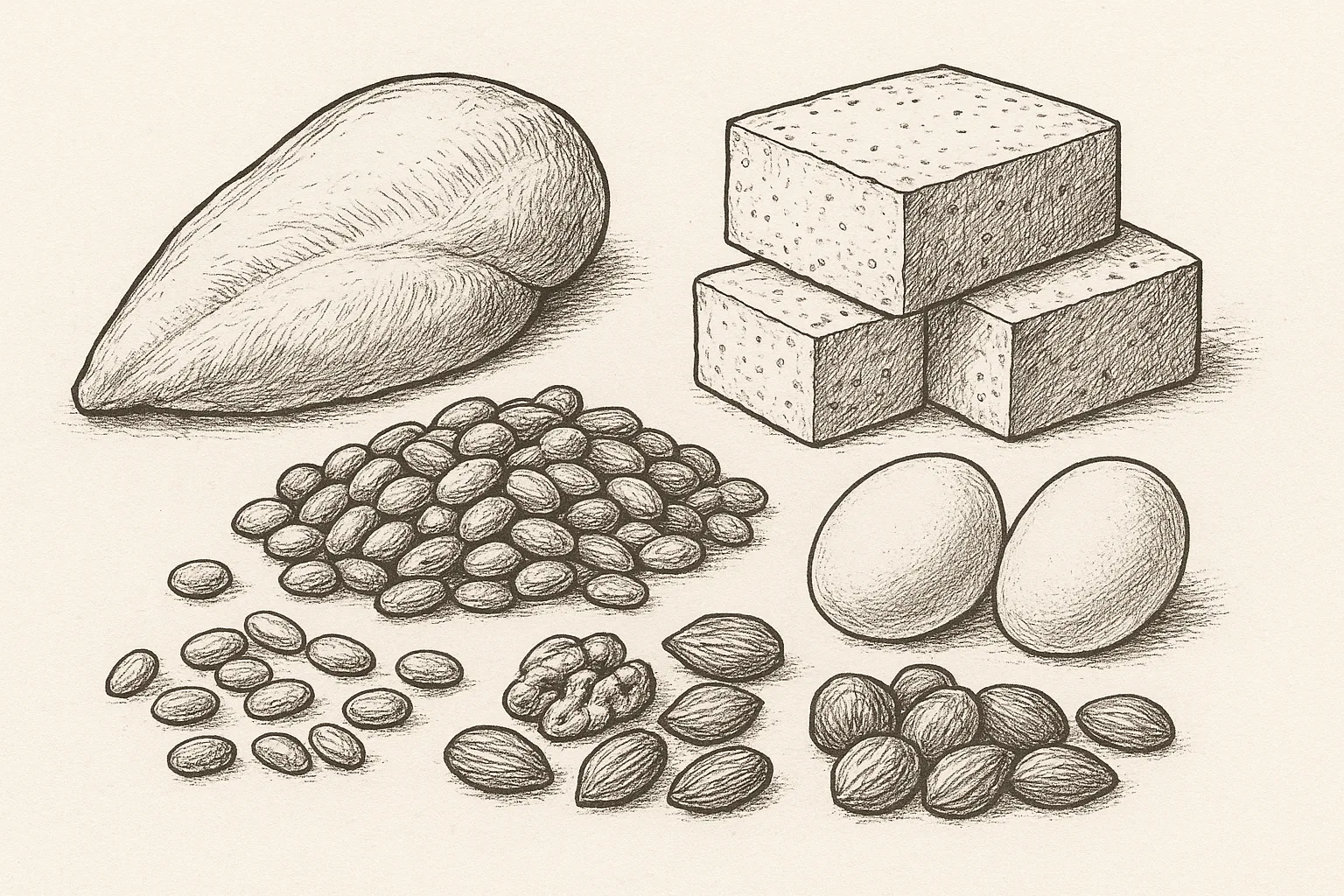
- Other Sources: Eggs, poultry, fish, and lean meats are excellent whole-food sources rich in protein and other nutrients.
Plant-Based Proteins
- Soy Protein: A complete plant protein containing all essential amino acids, soy is popular in vegetarian and vegan diets.
- Pea Protein: Rich in amino acids, pea protein is hypoallergenic and often combined with other plant proteins to create balanced blends.
- Legumes, Nuts, Seeds, and Whole Grains: These provide protein along with fibre, vitamins, and minerals.
How to Incorporate Protein into Your Daily Routine
- Start with breakfast: Include eggs, Greek yoghurt, or a plant-based protein smoothie to kick-start your day.
- Plan balanced meals: Add a portion of lean meat, beans, or tofu to lunch and dinner.
- Snack smart: Choose nuts, seeds, or protein-rich snacks like hummus with veggies.
- Use protein powders wisely: If you use whey, casein, soy, or pea protein powders, consider them as supplements to whole foods rather than meal replacements.
- Stay hydrated: Drinking water supports protein metabolism and overall health.
Common Myths About Protein for Women
- Myth 1: Women need less protein than men. While average needs might differ slightly due to body size, many women—especially active ones—require adequate protein to support their health.
- Myth 2: Eating protein makes women bulky. Protein supports muscle tone and recovery but does not automatically cause excessive muscle growth without specific training.
- Myth 3: Plant proteins are incomplete and not enough. Combining different plant foods over the day provides all essential amino acids.
- Myth 4: Protein powders are unsafe or unnecessary. Protein powders can be a convenient option but should complement a balanced diet, not replace whole foods.
Practical Tips for Sustainable Protein Habits
- Mix it up: Rotate between animal and plant proteins to keep meals interesting and nutritionally balanced.
- Cook at home: Preparing meals yourself gives control over ingredients and portion sizes.
- Listen to your body: Adjust protein intake based on how you feel, your activity level, and your health goals.
- Focus on quality: Choose minimally processed protein sources when possible.
- Be patient: Sustainable changes take time. Build habits gradually for lasting impact.
Comparing Whey, Casein, Soy, and Pea Proteins
Each protein type has unique qualities suitable for different needs:
- Whey: Fast absorption, ideal post-exercise to quickly provide amino acids. Contains all essential amino acids. Not suitable for those with dairy intolerance.
- Casein: Slow digestion, perfect for sustained protein release overnight. Also dairy-based.
- Soy: Plant-based complete protein, versatile for cooking and supplementation. Contains phytoestrogens, which some women may want to monitor.
- Pea: Plant-based, hypoallergenic, rich in branched-chain amino acids (BCAAs), often combined with rice protein for a complete profile.
Choosing between these depends on dietary preferences, allergies, and lifestyle. Combining different proteins can offer the best of all worlds.
Conclusion
Protein is an essential part of a woman’s diet, supporting muscle health, energy, and overall wellbeing. Understanding your individual needs and the variety of protein sources available can help you create balanced and sustainable eating habits. Whether you prefer animal or plant proteins, spreading intake throughout the day and focusing on whole foods will provide the best results. Remember, there’s no one-size-fits-all approach—listen to your body and adjust as needed for your unique lifestyle.
This article provides general educational information only and is not a substitute for professional medical advice. Always consult a qualified healthcare professional for personal guidance.