
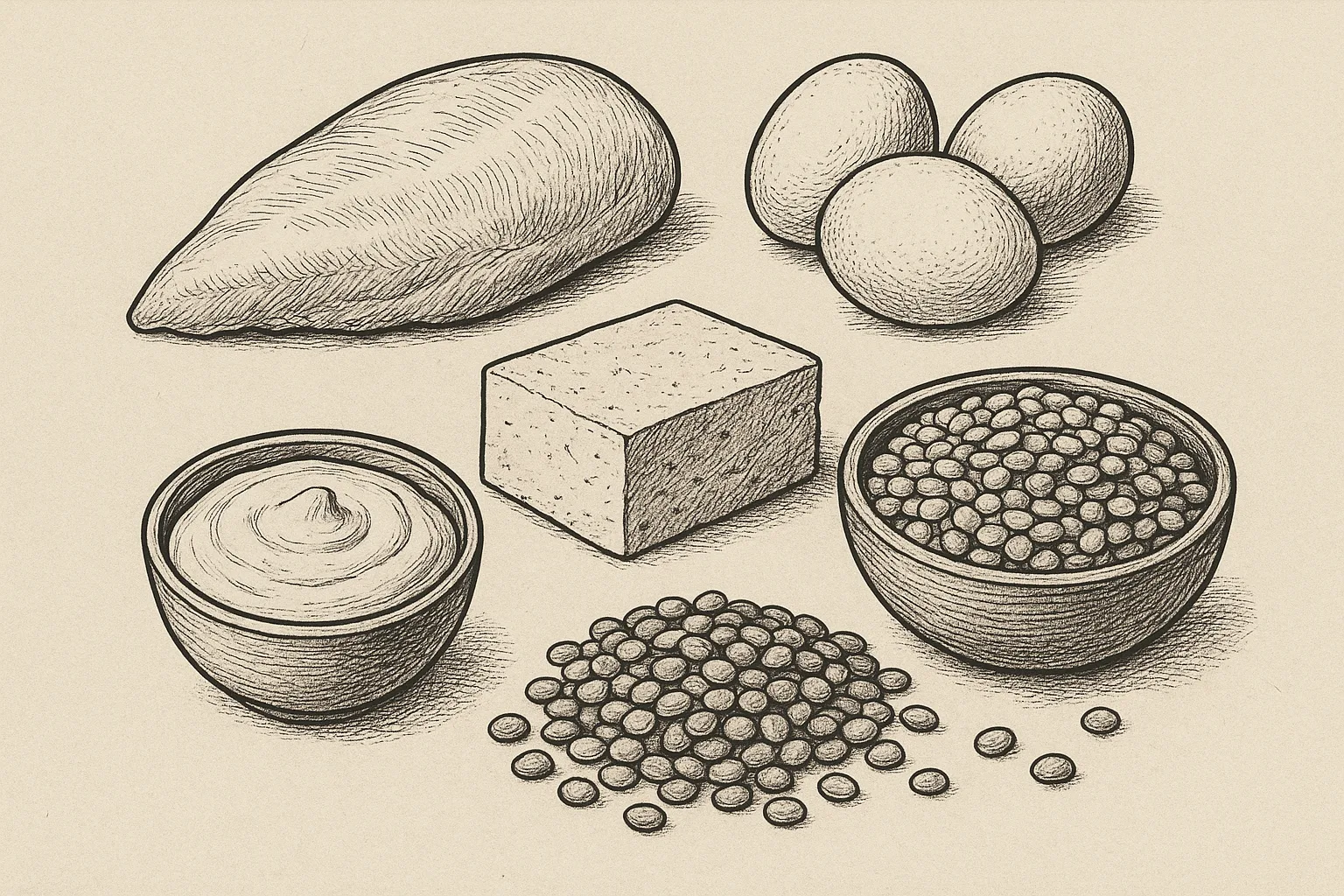
Protein for Beginners: A Simple Guide to Getting Started
Protein is one of the essential nutrients your body needs to function well. Whether you’re looking to build muscle, improve your energy, or simply eat a more balanced diet, understanding protein is a great place to start. This guide is designed to help beginners get comfortable with protein—what it is, why it matters, and how to include it in your daily meals with ease.
Why Is Protein Important?
Protein plays many important roles in the body. It helps repair tissues, build muscles, support your immune system, and keep your skin, hair, and nails healthy. Unlike fats and carbohydrates, protein provides the building blocks called amino acids, some of which your body can’t make on its own and must come from food.
Getting enough protein is especially important if you’re active, recovering from illness, or simply want to maintain strength as you age.
How Much Protein Do You Need?
The amount of protein you need depends on your age, activity level, and overall health. Generally, adults are recommended to aim for about 0.75 to 1 gram of protein per kilogram of body weight daily. For example, if you weigh 70 kg, that’s roughly 53 to 70 grams of protein per day.
Keep in mind, these numbers are general guidelines. Most people can meet their protein needs through regular meals without needing supplements or special diets.
Step-by-Step Tips to Add Protein to Your Diet
- Start with Breakfast: Include protein-rich foods like eggs, Greek yoghurt, or a handful of nuts. Even a slice of wholegrain toast with peanut butter can boost your protein intake.
- Choose Protein at Every Meal: Aim to include a source of protein in lunch and dinner. This could be lean meats like chicken or turkey, fish, beans, lentils, tofu, or dairy products.
- Snack Wisely: Swap sugary snacks for protein-rich options like boiled eggs, cottage cheese, or a small portion of nuts or seeds.
- Explore Plant-Based Proteins: If you prefer plant-based options, try chickpeas, lentils, quinoa, tofu, tempeh, or edamame. These foods provide protein and other important nutrients like fibre.
- Mix Protein Sources: Combining different protein sources can provide a better balance of amino acids. For instance, rice and beans together offer a complete protein.
- Consider Protein Quality: Animal proteins (such as whey, casein from dairy, and soy) generally contain all essential amino acids. Plant proteins might lack one or more amino acids but can be combined throughout the day to cover your needs.
Comparing Common Protein Sources
- Whey Protein: Derived from milk, whey is quickly digested and contains all essential amino acids. It’s popular among athletes but can be enjoyed by anyone looking for a convenient protein boost.
- Casein Protein: Also from milk, casein digests more slowly, making it a good choice for sustained protein release, such as before bedtime.
- Soy Protein: A plant-based complete protein that’s great for vegetarians and vegans. It supports muscle health and has additional plant compounds with potential benefits.
- Pea Protein: Another popular plant-based option, pea protein is rich in iron and easy to digest. It’s often combined with other plant proteins to improve amino acid balance.
Including a variety of these protein sources, depending on your dietary preferences, can help you meet your protein goals without feeling restricted.
Common Myths About Protein
- Myth: You Need Loads of Protein to Build Muscle. While protein is important for muscle repair and growth, excessive intake doesn’t necessarily lead to bigger muscles. Balance with overall nutrition and exercise is key.
- Myth: Plant Proteins Are Inferior. Plant proteins can be just as effective when consumed in a varied and balanced diet. Combining different plant sources ensures you get all essential amino acids.
- Myth: Protein Causes Kidney Damage. For healthy individuals, normal to moderately high protein intake is safe. Kidney concerns generally relate to pre-existing conditions, so always consult a healthcare professional if you’re unsure.
- Myth: You Should Avoid Protein at Night. Protein before bed can support muscle repair and help you feel fuller overnight. Slow-digesting proteins like casein are often recommended at this time.
Building Sustainable Protein Habits
Changing your diet doesn’t have to be complicated or overwhelming. Here are some easy ways to make protein a regular part of your eating habits:
- Plan Simple Meals: Focus on meals you enjoy that include protein. For example, grilled chicken with vegetables or a chickpea salad.
- Cook in Batches: Prepare protein-rich foods ahead of time for busy days, like boiled eggs or roasted chickpeas.
- Keep Convenient Options Handy: Nuts, seeds, Greek yoghurt, or canned beans can be quick protein sources when you’re short on time.
- Listen to Your Body: Eat protein in amounts that satisfy you without feeling overly full or uncomfortable.
- Stay Hydrated: Drinking enough water supports digestion and overall health alongside your protein intake.
Conclusion: Start Small and Stay Consistent
Getting started with protein is all about making small, sustainable changes that fit your lifestyle. By including a variety of protein sources in your meals, debunking common myths, and building easy habits, you set yourself up for better health and wellbeing. Remember, it’s not about perfection but progress that feels good and works for you.
This article provides general educational information only and is not a substitute for professional medical advice. Always consult a qualified healthcare professional for personal guidance.