
Introduction
Tracking your fitness progress can be a powerful motivator and help you reach your goals. However, it’s easy to slip into obsessive behaviours, which can cause unnecessary stress and even harm your wellbeing. The key is to find a balanced approach that encourages healthy habits without fixating on numbers or perfection.
Why Tracking Fitness Progress Is Helpful
Keeping an eye on your fitness journey helps you celebrate small wins, stay motivated, and make adjustments when needed. It can also boost confidence as you notice improvements in strength, stamina, or mood. But it’s important to remember that progress isn’t always linear and that fitness is about overall wellbeing, not just numbers.
Step-by-Step Tips to Track Fitness Progress Without Obsession
1. Choose Meaningful Metrics
Instead of focusing only on weight or the scale, consider a variety of indicators such as:
- How your clothes fit
- Energy levels throughout the day
- Improvements in strength or endurance
- Your mood and stress levels
- Quality of sleep
These measures reflect a more holistic view of your health and can be more motivating and less stressful.
2. Set Realistic, Flexible Goals
Define clear, achievable targets that focus on consistency and wellbeing rather than perfection. For example, aim to exercise three times a week or increase your daily steps gradually. Being flexible lets you adjust your goals based on how you’re feeling and what’s happening in your life, reducing pressure.
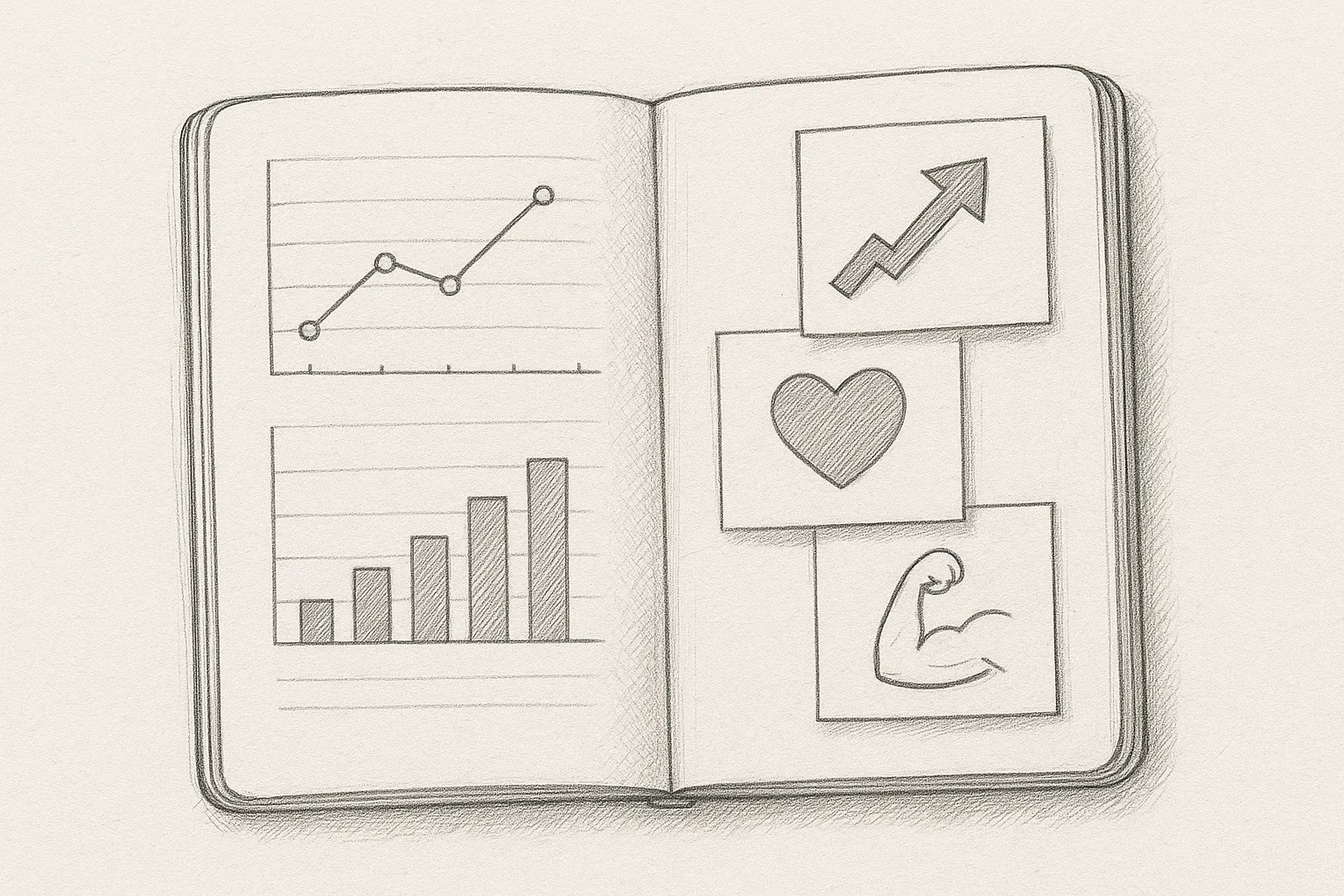
3. Keep a Simple Fitness Journal
Write brief notes about your workouts, how you felt, and any milestones. This doesn’t have to be detailed or daily — even a few entries a week can help you track progress without becoming overwhelming.
4. Use Technology Wisely
Fitness trackers and apps can be helpful but try to use them as tools rather than rules. Avoid obsessively checking stats or comparing yourself to others. Set limits on notifications and focus on how the data supports your goals instead of dominating your thoughts.
5. Schedule Regular Check-Ins
Instead of daily weigh-ins or measurements, consider weekly or monthly reviews. This gives your body time to adapt and prevents fixating on small fluctuations that are normal and harmless.
6. Celebrate Non-Scale Victories
Recognise achievements such as improved mood, increased confidence, better sleep, or simply enjoying physical activity more. These wins often matter more than numbers and help maintain a positive mindset.
7. Practice Mindfulness Around Fitness
Pay attention to how your body feels during and after exercise. Notice when you feel energized or relaxed. This awareness can help you stay connected to your wellbeing rather than just metrics.
Common Myths About Tracking Fitness Progress
Myth 1: You Must Track Every Detail to See Progress
Reality: Over-tracking can lead to burnout and anxiety. Focusing on a few meaningful indicators is often more effective and sustainable.
Myth 2: The Scale Is the Most Important Measure
Reality: Weight fluctuates daily for many reasons and doesn’t reflect muscle gain, water retention, or overall health improvements.
Myth 3: If You Don’t Track, You Won’t Progress
Reality: Many people make great progress by tuning into how they feel and using simple habits rather than constant tracking.
Myth 4: Fitness Progress Should Be Fast and Visible
Reality: Sustainable fitness gains usually happen gradually. Patience and consistency are key.
Tips for Staying Balanced
- Remember Your Why: Keep your reasons for improving fitness focused on wellbeing and enjoyment.
- Be Kind to Yourself: Accept that some days will be harder and some progress slower.
- Mix It Up: Vary your activities to keep fitness fun and engaging.
- Connect with Supportive People: Share your journey with friends or groups that encourage positive habits.
Conclusion
Tracking your fitness progress can help you stay motivated and feel proud of your journey, but it’s important to approach it in a balanced, non-obsessive way. By focusing on meaningful, holistic measures and being flexible with your goals, you can build sustainable habits that support your overall wellbeing. Remember to celebrate all kinds of progress — not just what the numbers say. Fitness is a lifelong journey best travelled with kindness, patience, and awareness.
This article provides general educational information only and is not a substitute for professional medical advice. Always consult a qualified healthcare professional for personal guidance.