
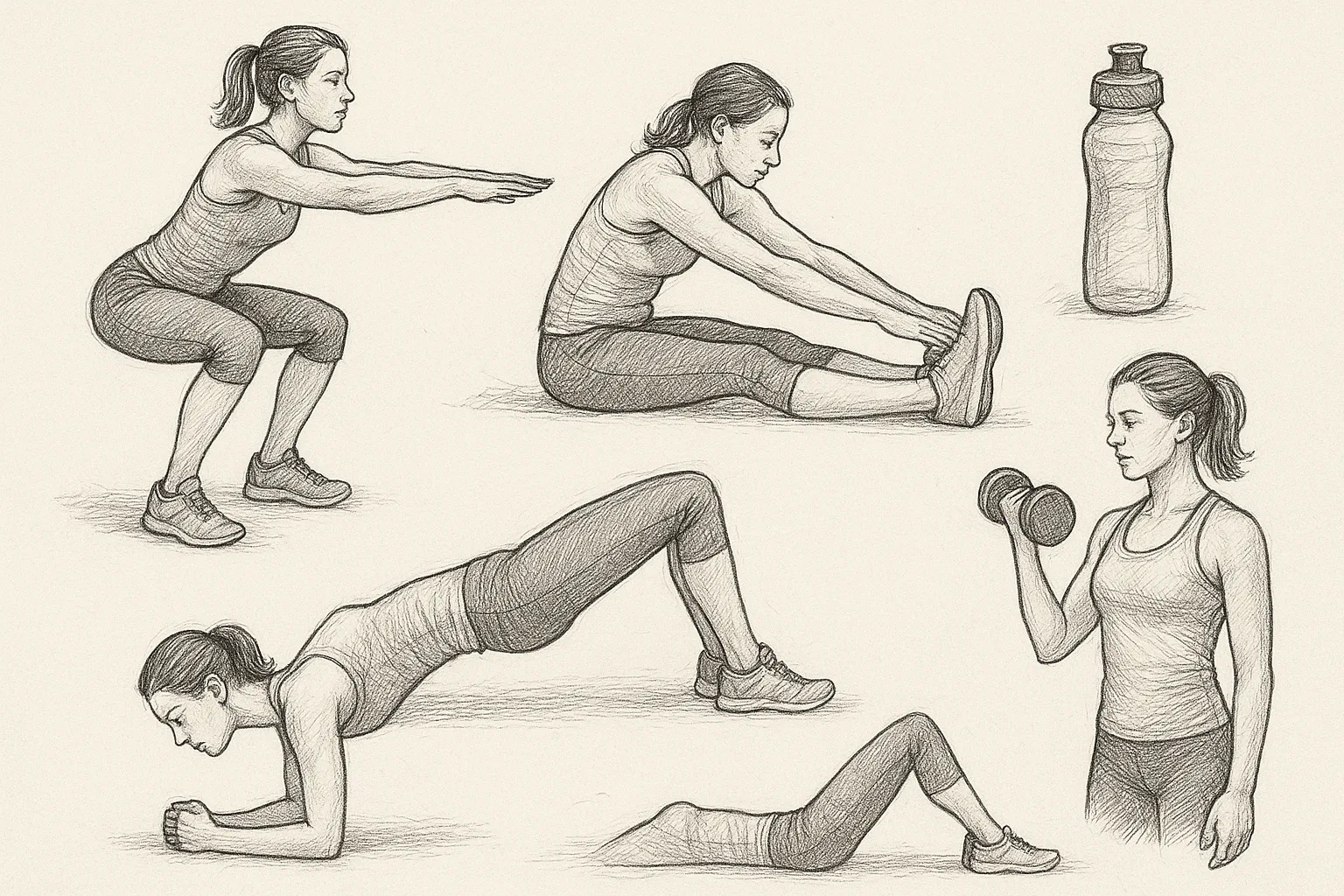
How to Stay Active While Avoiding Overtraining
Staying active is a fantastic way to boost your health, improve your mood, and increase your energy levels. However, it’s equally important to avoid overtraining, which can lead to fatigue, injury, and burnout. Overtraining happens when your body doesn’t get enough time to recover between workouts, and it’s a common pitfall for many fitness enthusiasts. The good news is that by adopting balanced, sustainable habits, you can keep active and enjoy all the benefits of exercise without pushing yourself too hard.
Understanding Overtraining
Overtraining occurs when the intensity and volume of your exercise exceed your body’s ability to recover. It isn’t just about how much you exercise but also how well you rest and nourish your body. Signs of overtraining include persistent fatigue, decreased performance, muscle soreness that doesn’t go away, irritability, and even trouble sleeping.
Step-by-Step Tips to Stay Active Without Overtraining
- Listen to Your Body: Pay attention to how you feel during and after exercise. If you notice unusual tiredness, prolonged soreness, or lack of enthusiasm for workouts, it might be time to ease off.
- Plan Rest Days: Incorporate at least one or two rest or low-intensity days each week. Rest days help your muscles repair and reduce the risk of injury.
- Mix Up Your Workouts: Varying your activities can help prevent repetitive strain and overuse injuries. Combine cardio, strength training, flexibility exercises, and low-impact activities such as walking or swimming.
- Gradually Increase Intensity: Avoid sudden jumps in your workout intensity or duration. Follow the 10% rule: increase your exercise load by no more than 10% per week to give your body time to adapt.
- Stay Hydrated and Eat Well: Proper nutrition and hydration support recovery and energy levels. Focus on balanced meals with plenty of whole foods, protein, healthy fats, and carbohydrates.
- Get Quality Sleep: Sleep is when your body does a lot of its repair work. Aim for 7–9 hours of restful sleep nightly to support recovery.
- Use Active Recovery: On rest days, consider gentle activities like yoga, stretching, or leisurely walks to promote blood flow without stressing your muscles.
- Track Your Progress: Keeping a workout journal or using an app can help you notice patterns, such as when you might be pushing too hard or not recovering enough.
Common Myths About Overtraining
It’s easy to get caught up in fitness myths that may encourage overtraining or make it harder to recognise when you need rest. Here are some myths to be aware of:
- Myth 1: More Exercise Always Means Better Results. Quality beats quantity. Overdoing it can lead to injury and setbacks.
- Myth 2: Feeling Sore Means You Are Improving. Some soreness can be normal, but persistent or sharp pain is a warning sign.
- Myth 3: Taking Rest Days Will Make You Lose Fitness. Rest days are crucial for progress—they allow your body to rebuild stronger.
- Myth 4: You Can Push Through Any Pain. Ignoring pain can cause serious damage. Differentiate between discomfort from effort and pain from injury.
Practical Habits to Maintain Balanced Activity
Building sustainable habits is key to staying active long term without overtraining. Here are some habits you can incorporate:
- Schedule Your Workouts: Treat exercise like any important appointment. Having a plan helps you balance activity and rest.
- Use Cross-Training: Trying different activities can keep fitness fun and reduce strain on any one muscle group.
- Set Realistic Goals: Aim for progress, not perfection. Celebrate small achievements and listen to your body’s signals.
- Practice Mindful Movement: Focus on form and breath. Mindfulness can help prevent injury and improve your workout experience.
- Connect with Others: Exercising with friends or groups can boost motivation and make activity more enjoyable.
- Allow Flexibility: Some days you’ll feel stronger than others. It’s okay to adjust your workout intensity accordingly.
Conclusion
Staying active is a wonderful way to support your health and wellbeing, but it’s important to balance activity with adequate rest. Avoiding overtraining means listening to your body, planning rest, and varying your workouts to keep things enjoyable and sustainable. By adopting practical habits like gradually increasing intensity, taking rest days, and focusing on recovery, you can maintain a healthy, active lifestyle for the long haul. Remember, fitness is a journey, not a race—finding the right balance will help you thrive physically and mentally.
This article provides general educational information only and is not a substitute for professional medical advice. Always consult a qualified healthcare professional for personal guidance.