
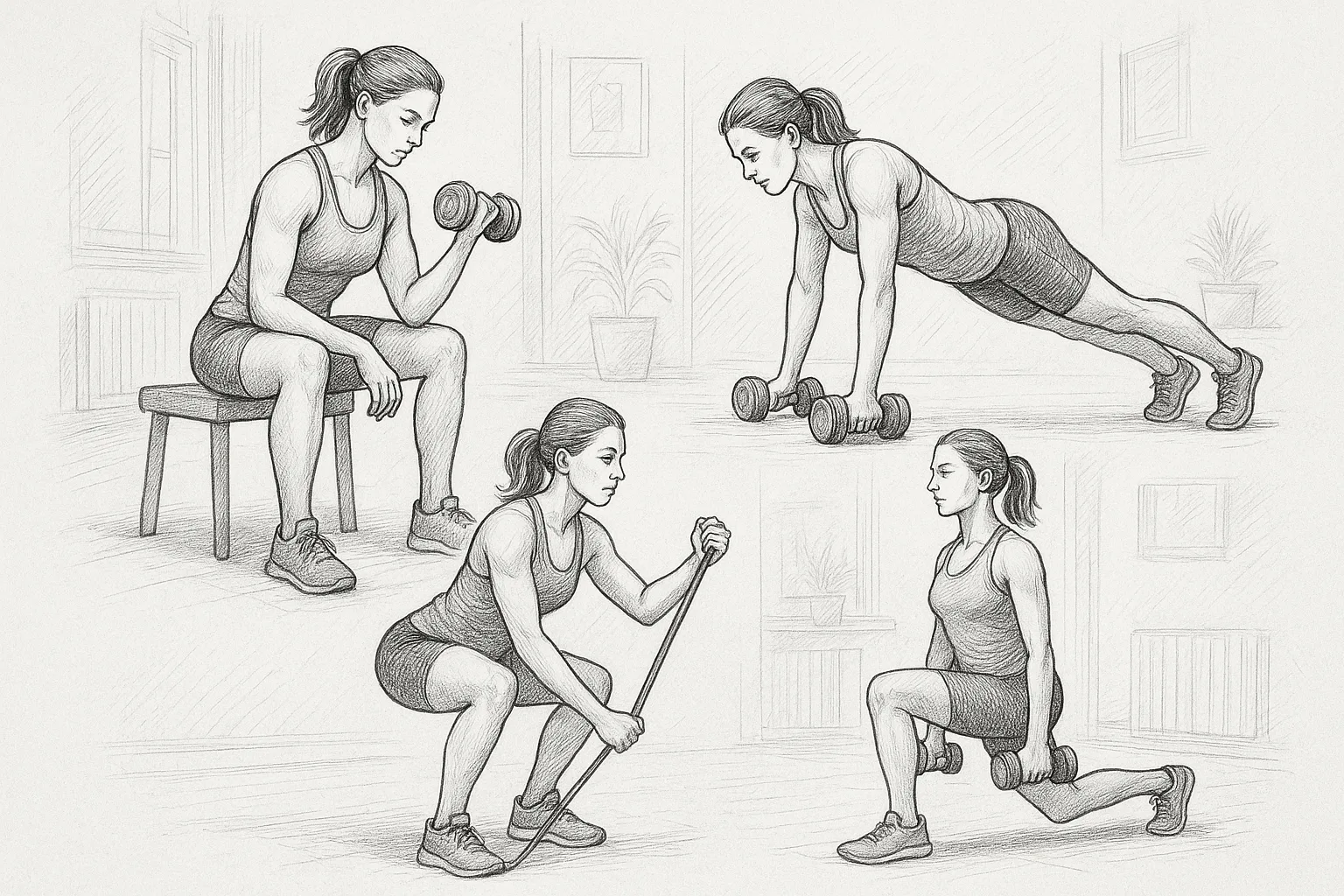
How to Build Sustainable Healthy Habits for Lasting Wellbeing
Creating healthy habits can feel overwhelming at times, especially with so much conflicting information out there. But the key to lasting wellbeing isn’t about quick fixes or extreme changes—it’s about making small, manageable steps that fit your life. In this post, we’ll explore practical ways to build sustainable healthy habits that support your fitness, nutrition, sleep, stress management, and overall wellbeing.
Start Small and Be Consistent
One of the most important principles of habit-building is to begin with small, achievable changes. When you try to do too much at once, it’s easy to feel discouraged and give up. Instead, focus on one habit at a time and aim for consistency rather than perfection.
- Example: Instead of immediately committing to an hour of exercise daily, start with 10 minutes of walking most days of the week.
- Tip: Use a habit tracker or calendar to mark your progress—this visual reminder can be motivating.
Make It Easy and Enjoyable
Habits stick better when they are easy to do and bring some enjoyment. If you dislike running, try dancing, yoga, or cycling instead. When it comes to nutrition, find healthy meals that you look forward to eating rather than forcing yourself to follow restrictive diets.
- Prepare snacks like chopped vegetables or fruit so healthy options are within easy reach.
- Choose physical activities you enjoy—this increases the chances of making them a regular part of your routine.
Build Healthy Sleep Routines
Good sleep is the foundation of wellbeing, yet many underestimate its importance. To improve your sleep habits:
- Set a consistent bedtime and wake time: Going to bed and waking up at the same time daily helps regulate your body clock.
- Create a calming pre-sleep routine: Switch off screens 30–60 minutes before bed, read a book, or practice gentle stretching.
- Make your bedroom comfortable: Keep it cool, dark, and quiet to support restful sleep.
Manage Stress with Simple Daily Practices
Stress is a natural part of life, but chronic stress can impact your health. Incorporating manageable stress-reduction habits can make a big difference.
- Practice mindful breathing: Take a few deep breaths during breaks at work or when feeling overwhelmed.
- Prioritise time outdoors: Even short walks in green spaces can boost mood and reduce stress.
- Connect with others: Social support is crucial—schedule time to chat with friends or family regularly.
Myths About Healthy Habits
It’s easy to get confused by common myths around health. Let’s clear up a few:
- Myth: You need to exercise intensely every day to be healthy. Reality: Moderate, regular activity is effective and more sustainable.
- Myth: Healthy eating means strict dieting and cutting out entire food groups. Reality: Balanced eating with variety and moderation works best long-term.
- Myth: You can “catch up” on sleep during weekends. Reality: Regular sleep patterns support better overall health than irregular sleep schedules.
Step-by-Step Tips to Build Sustainable Habits
- Pick one habit at a time. Choose something manageable like drinking more water or taking a short walk.
- Set a clear, realistic goal. Instead of “eat better,” try “add one vegetable to dinner three times a week.”
- Schedule it. Put your new habit on your calendar or link it to an existing routine (e.g., after brushing your teeth).
- Track progress. Use a notebook, an app, or a calendar to note each success.
- Adjust as needed. If something isn’t working, tweak it until it feels doable.
- Celebrate small wins. Recognise your effort, no matter how small, to build motivation.
Examples of Simple, Sustainable Habit Ideas
- Drink a glass of water first thing in the morning.
- Take the stairs instead of the lift once a day.
- Spend 5 minutes stretching after waking up.
- Include a piece of fruit with lunch.
- Write down three things you’re grateful for each evening.
- Turn off electronic devices 30 minutes before bedtime.
Remember: Progress Over Perfection
Building healthy habits is a journey, not a race. It’s normal to have ups and downs. The important part is to keep going, learn from setbacks, and focus on progress rather than perfection. Over time, these small changes add up to meaningful improvements in your health and wellbeing.
Conclusion
Developing sustainable healthy habits is about making small, enjoyable changes that fit your lifestyle. By starting gradually, setting realistic goals, and focusing on consistency, you can create routines that support your fitness, nutrition, sleep, and stress management long-term. Remember to be kind to yourself through the process—lasting wellbeing comes from steady progress, not overnight transformations.
This article provides general educational information only and is not a substitute for professional medical advice. Always consult a qualified healthcare professional for personal guidance.