
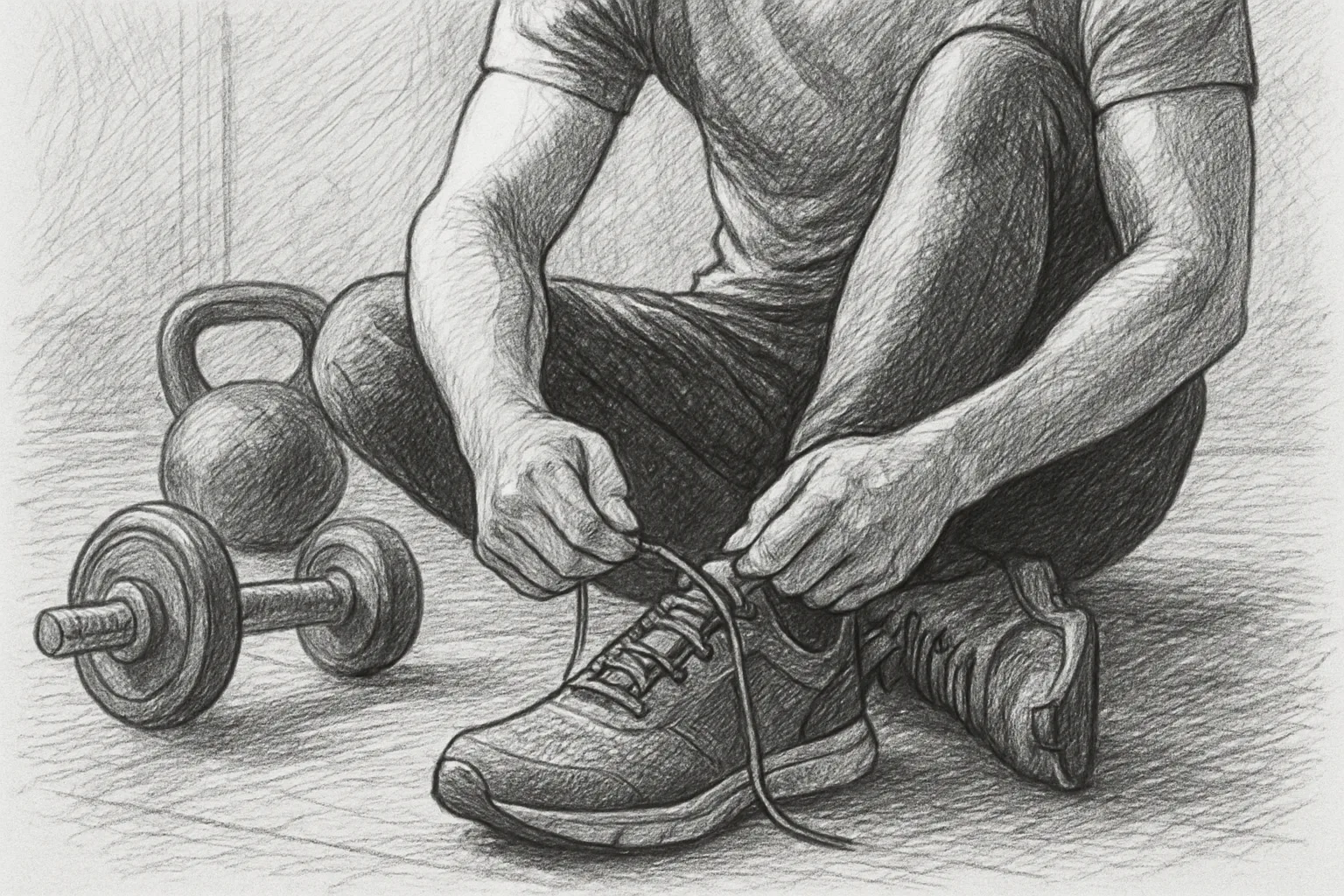
How to Restart Fitness After Falling Off Track
Life can be unpredictable, and sometimes our fitness routines take a backseat. Whether due to stress, injury, or simply losing motivation, falling off track is common. The good news? Restarting your fitness journey is entirely possible, and with the right approach, it can be enjoyable and sustainable.
Step 1: Be Kind to Yourself and Reflect
Before jumping back in, take a moment to acknowledge where you are. It’s normal to feel frustrated or discouraged, but self-compassion is key. Reflect on what caused the break in your routine without judgement. Was it a busy schedule, lack of motivation, or something else? Understanding the reasons helps you plan better.
Step 2: Set Realistic and Specific Goals
Clear goals give you direction. Instead of vague aims like “get fit,” try something specific and achievable. For example:
- Walk for 20 minutes, three times a week
- Do two strength training sessions at home weekly
- Attend one yoga class every week
Start small. Small successes build confidence and momentum.
Step 3: Choose Activities You Enjoy
Fitness doesn’t have to mean the gym or intense workouts. Pick activities that feel fun or satisfying. Whether that’s dancing, swimming, cycling, gardening, or brisk walking, enjoyment increases the likelihood of sticking with it.
Step 4: Create a Simple Routine
Structure helps form habits. Block out specific times in your week for exercise, just like appointments. Even 10–15 minutes matter. You might start with:
- Morning stretches to energise your day
- Short evening walks to unwind
- Weekend hikes or bike rides
Gradually increase duration or intensity as you feel ready.
Step 5: Focus on Consistency Over Intensity
Many believe they need to work out hard every session to see benefits, but this can be discouraging. Prioritise showing up regularly, even if it’s a gentle workout. Consistency is the foundation of lasting fitness.
Step 6: Monitor Progress in a Flexible Way
Tracking progress can boost motivation. Use a journal, app, or simple checklist to note activities and how you feel. Celebrate achievements, no matter how small. If you miss a day or week, don’t get down—just pick up where you left off.
Step 7: Build a Supportive Environment
Share your goals with friends or family who encourage you. Consider joining group classes or online communities for extra motivation. Having support makes it easier to stay committed and accountable.
Step 8: Listen to Your Body
Pay attention to how your body responds. If you feel pain, excessive fatigue, or discomfort, adjust your routine or rest. Fitness is a journey, not a race. Avoid pushing too hard too soon to prevent injury.
Common Myths About Restarting Fitness
- Myth 1: You Have to Start at the Same Level as BeforeReality: Your body changes over time. It’s okay to start at a lower intensity and rebuild gradually.
- Myth 2: If You Missed Weeks, You’ve Lost All ProgressReality: Fitness gains are resilient. While some conditioning decreases, you can regain it faster than starting fresh.
- Myth 3: Quick, Intense Workouts Are the Only Way to ImproveReality: Moderate, consistent activity can be just as effective and more sustainable.
- Myth 4: You Need Special Equipment or a GymReality: Many effective workouts use body weight or simple tools. Walking, stretching, and home exercises are great options.
Practical Tips for Sustainable Fitness Habits
- Mix It Up: Variety prevents boredom and works different muscles.
- Stay Hydrated: Drink water before, during, and after activity.
- Pair Exercise with Enjoyable Activities: Listen to music, podcasts, or take nature walks.
- Set Reminders: Use phone alarms or calendars to keep on track.
- Reward Yourself: Treat yourself to something non-food related when you reach milestones.
- Prioritise Sleep: Rest supports recovery and energy levels.
Conclusion
Restarting your fitness journey after falling off track is a positive step towards better health and wellbeing. Embrace kindness, set realistic goals, and focus on enjoyable, consistent activities. Remember, progress is personal and non-linear. By building sustainable habits and listening to your body, you can create a fitness routine that fits your life and supports your long-term wellness.
This article provides general educational information only and is not a substitute for professional medical advice. Always consult a qualified healthcare professional for personal guidance.