
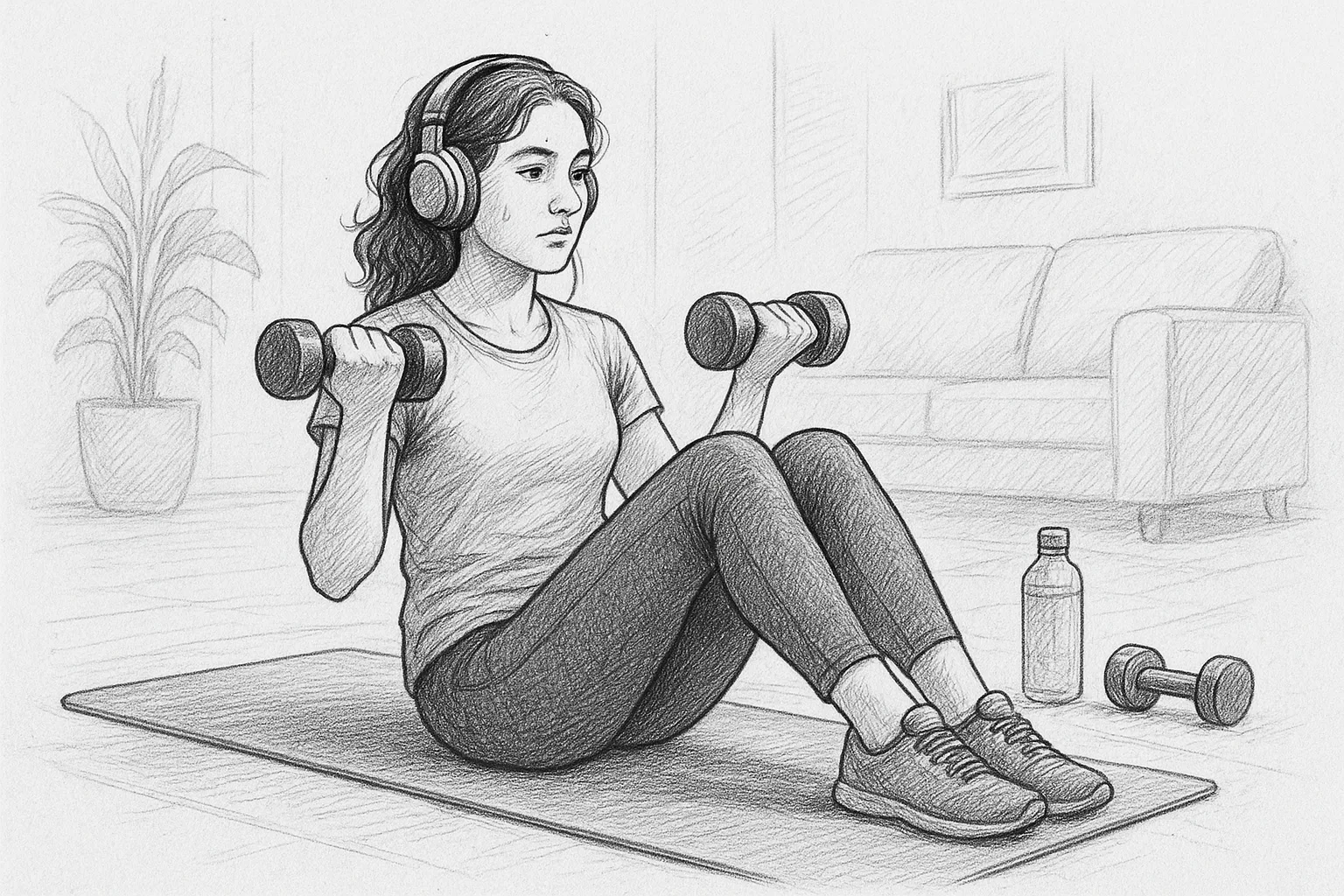
How to Make Exercise Feel Less Overwhelming
Starting or maintaining an exercise routine can sometimes feel like a huge mountain to climb. Between busy schedules, doubts about where to start, or feelings of self-judgement, exercise can quickly become overwhelming rather than enjoyable. But the good news is that exercise doesn’t have to be daunting or complicated. By approaching it with practical, sustainable habits, you can build a routine that feels manageable and rewarding.
Step 1: Change Your Mindset About Exercise
One of the biggest barriers to exercise is how we think about it. Many people picture intense workouts, long sessions at the gym, or having to be perfect right away. This mindset can create pressure and make exercise feel like a chore.
- Reframe exercise as movement: Instead of focusing on ‘working out,’ think about moving your body in ways that feel good. Walking, stretching, dancing, or gardening all count as physical activity.
- Set realistic expectations: You don’t have to be an athlete or exercise for hours. Even short bouts of movement contribute to your health.
- Celebrate small wins: Every time you move, you’re doing something positive. Recognise and appreciate these moments.
Step 2: Start Small and Build Gradually
Trying to do too much too soon is a common cause of feeling overwhelmed. Instead, begin with manageable goals that fit your current lifestyle.
- Choose short sessions: Start with 5-10 minutes of activity and increase the time as you feel comfortable.
- Pick simple activities: Walking, gentle yoga, or bodyweight exercises require minimal equipment and can be done anywhere.
- Use everyday opportunities: Take stairs instead of elevators, or do calf raises while brushing your teeth.
Step 3: Create a Supportive Environment
Your surroundings can either help or hinder your exercise habits. Making small changes can reduce friction and encourage consistency.
- Prepare your space: Lay out workout clothes or keep a yoga mat visible to remind you.
- Find a buddy: Exercising with a friend or joining a group adds motivation and accountability.
- Schedule it in: Treat exercise like any other appointment by blocking time in your calendar.
Step 4: Mix It Up and Keep It Enjoyable
Exercise doesn’t have to be repetitive or boring. Variety can keep things interesting and target different parts of your body.
- Try different types: Walking, swimming, cycling, dancing, or yoga offer diverse benefits and experiences.
- Listen to your body: Choose activities that feel good and avoid pushing into pain or discomfort.
- Incorporate music or podcasts: These can make exercise feel more like fun than work.
Step 5: Address Common Myths About Exercise
Misconceptions can create unnecessary barriers. Let’s bust a few common myths to help you feel more confident:
- Myth: Exercise has to be intense to be effective. Reality: Moderate or even light activity can improve mood, energy, and overall health.
- Myth: You need special equipment or a gym membership. Reality: Many effective exercises use just your body weight or everyday items.
- Myth: If you miss a day, you’ve failed. Reality: Consistency over time matters more than perfection. It’s normal to have ups and downs.
- Myth: Exercise causes pain or discomfort. Reality: While some effort is normal, sharp pain or lasting discomfort isn’t and should be avoided.
Step 6: Track Progress in a Positive Way
Keeping track doesn’t mean obsessing over numbers. Instead, focus on how exercise makes you feel and the improvements you notice.
- Use a journal or app: Note the activities you do and any changes in mood, sleep, or energy.
- Set process goals: Goals like ‘I will walk three times this week’ are easier to achieve than outcome goals like ‘lose weight.’
- Reflect on benefits: Focus on feeling stronger, more relaxed, or more confident.
Conclusion
Making exercise feel less overwhelming is all about taking small, manageable steps and cultivating a mindset that values movement as a positive, flexible part of life. By starting gently, creating supportive habits, and dismissing common myths, exercise becomes more accessible and even enjoyable. Remember, consistency and kindness to yourself are key. Every bit of movement counts towards your wellbeing, so focus on what feels right for you and build from there.
This article provides general educational information only and is not a substitute for professional medical advice. Always consult a qualified healthcare professional for personal guidance.