
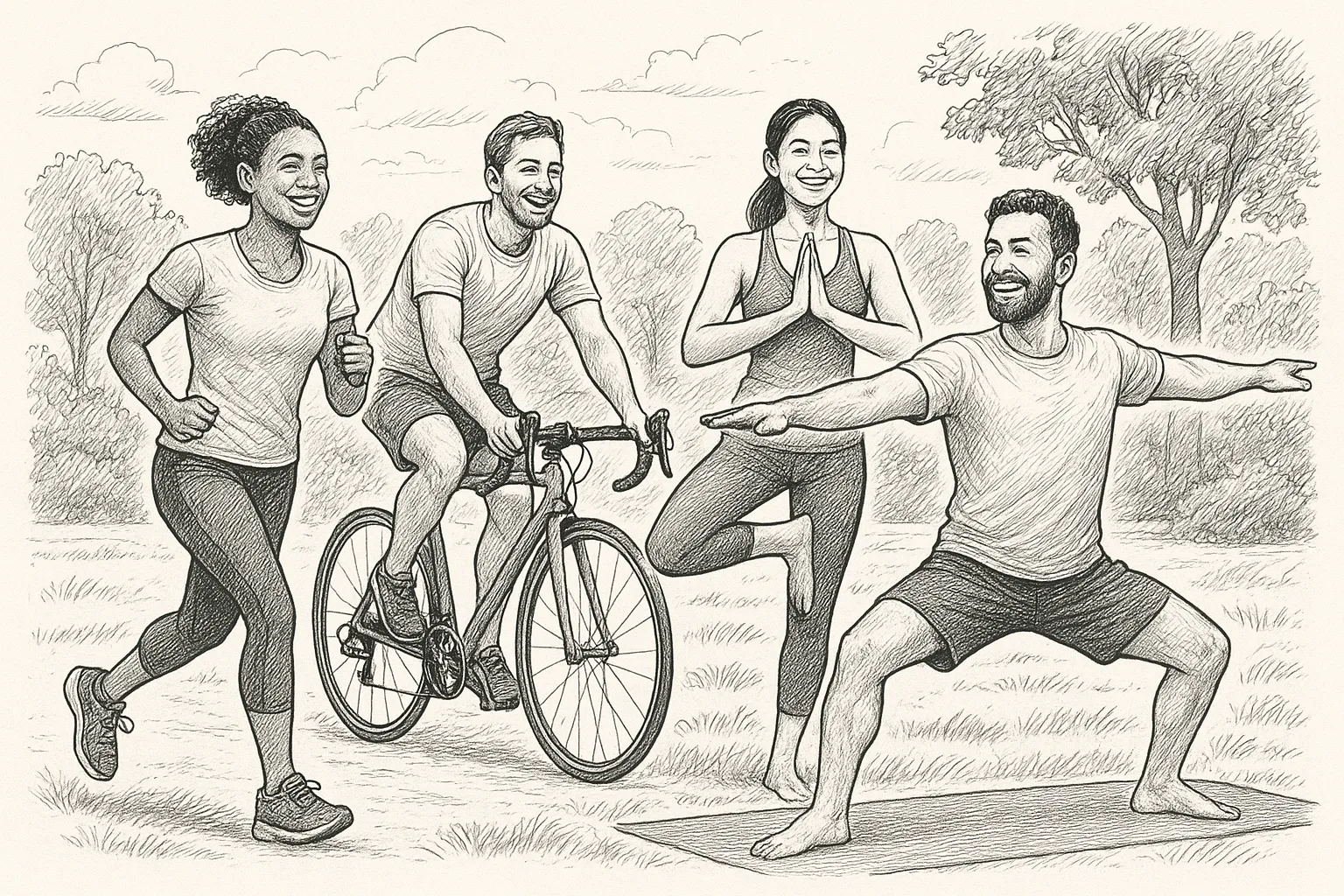
How to Build a Positive Relationship with Exercise
Exercise is often seen as a chore or a task to tick off a to-do list. This mindset can make it hard to enjoy being active or to keep it up over time. But building a positive relationship with exercise can transform how you feel about moving your body and make it a joyful, rewarding part of your life. When exercise feels good—not forced—you’re more likely to stick with it and reap the benefits for your health and wellbeing.
Whether you’re just starting out or trying to refresh your fitness habits, this guide offers practical, sustainable tips to help you build a healthier, happier connection with exercise.
Step 1: Start with Your Why
Understanding your personal reasons for exercising is a powerful motivator. Instead of focusing on external pressures like appearance or expectations, think about what exercise means to you. It might be to boost your energy, improve your mood, reduce stress, or simply enjoy time outdoors.
- Write down your reasons for wanting to be active.
- Reflect on how exercise makes you feel physically and emotionally.
- Keep these reasons visible to remind yourself why you’re moving.
Step 2: Choose Activities You Enjoy
Exercise doesn’t have to mean running on a treadmill or lifting heavy weights. The best exercise for you is the one you look forward to doing. This could be dancing, gardening, walking with friends, swimming, yoga, or playing a sport.
Trying different activities helps you discover what suits your body and mood. Enjoyment is key to making exercise a positive experience, so focus on what feels good.
Step 3: Set Realistic, Flexible Goals
Setting goals can help you track progress and maintain motivation. However, goals should be achievable and adaptable to your lifestyle. Avoid aiming for perfection or extreme targets that might lead to burnout or frustration.
- Start small, like walking 10 minutes a day or doing 5 minutes of stretching.
- Gradually increase duration or intensity based on how you feel.
- Allow yourself flexibility: if you miss a session, don’t get discouraged.
Step 4: Focus on How Exercise Makes You Feel
Instead of concentrating solely on numbers—like calories burned or distance covered—notice how exercise affects your body and mind. Do you feel more relaxed, stronger, or more alert afterward? These positive feelings can reinforce your desire to keep moving.
Mindful exercise, where you pay full attention to your body’s sensations and breathing, can deepen this connection and make the experience more enjoyable.
Step 5: Build Routine with Flexibility
Consistency is important for building a habit, but rigid schedules can make exercise feel like a punishment. Aim for regular activity but allow room to adapt depending on your day and energy levels.
- Plan your workouts at times that suit your natural rhythm.
- Mix different types of activities to keep things fresh.
- Remember that any movement counts, even gentle stretching or light walks.
Step 6: Get Social Support
Exercising with others can boost motivation and make activities more fun. This could be joining a class, walking with a friend, or participating in community sports. Sharing your journey with supportive people helps build accountability and positive feelings around exercise.
Step 7: Listen to Your Body
Respecting your body’s signals is essential to avoid injury and frustration. If you feel pain, extreme tiredness, or discomfort, it’s okay to rest or modify your activity. Building a positive relationship with exercise means treating your body with kindness and patience.
Common Myths About Exercise and Why They Don’t Help
Sometimes, unhelpful beliefs about exercise can hold us back. Let’s look at some common myths and the facts behind them.
Myth 1: You Have to Exercise Hard Every Day
Truth: Rest and recovery are just as important as movement. Exercise should include a balance of activity and rest to allow your body to repair and strengthen.
Myth 2: Exercise Is Only for Weight Loss
Truth: While exercise can support healthy weight management, its benefits go far beyond. Exercise improves mood, sleep quality, heart health, and overall wellbeing regardless of weight.
Myth 3: If You Don’t Feel Like It, Don’t Bother
Truth: Motivation can fluctuate. Sometimes, simply starting with a small activity can boost your mood and energy, making the session enjoyable once you begin.
Myth 4: You Need Special Equipment or a Gym
Truth: Many effective exercises require no equipment and can be done at home or outdoors. Walking, bodyweight exercises, stretching, and dancing are accessible and beneficial.
Tips to Keep Your Relationship with Exercise Positive
- Celebrate small successes: Every step counts and deserves recognition.
- Be kind to yourself: Avoid negative self-talk about performance or appearance.
- Mix it up: Variety keeps exercise interesting and works different parts of the body.
- Track how you feel: Journaling your experience can highlight progress beyond physical changes.
- Make it a habit: Consistency over perfection helps exercise become a natural part of your life.
Conclusion
Building a positive relationship with exercise is about shifting the focus from obligation to enjoyment and wellbeing. By choosing activities you love, setting realistic goals, listening to your body, and debunking myths, you can create sustainable habits that support your health and happiness. Remember, every movement is a step towards a more vibrant you.
This article provides general educational information only and is not a substitute for professional medical advice. Always consult a qualified healthcare professional for personal guidance.