
How to Build a Fitness Habit That Actually Lasts
Starting a fitness routine is easy — keeping it going is the real challenge. Many people begin with enthusiasm but find their motivation waning after a few weeks. The good news is that building a lasting fitness habit is possible when approached with the right mindset and strategies. Instead of aiming for quick fixes or extreme routines, focusing on sustainable, enjoyable actions can help you stay active for the long term.
Step 1: Define Your Why
Understanding why you want to be more active is the foundation of a lasting habit. Your reasons might include improving energy, managing stress, feeling stronger, or simply enjoying time outdoors. Whatever your motivators, write them down and remind yourself regularly. A clear purpose helps you stay committed when enthusiasm dips.
Step 2: Start Small and Be Realistic
One of the biggest barriers to maintaining exercise is setting unrealistic goals. Instead of aiming for an hour-long workout every day, start with just 10 to 15 minutes a few times a week. Short sessions are easier to fit into busy days and build confidence. Gradually increase your activity as it becomes a natural part of your routine.
Step 3: Choose Activities You Enjoy
Exercise doesn’t have to mean slogging through a gym session you dread. Whether it’s dancing, walking the dog, gardening, cycling, or swimming, pick activities that feel fun rather than a chore. Enjoyment boosts motivation and makes it much more likely you’ll keep going.
Step 4: Make It Convenient
Habits stick best when they’re easy to do. Set up your environment to support your fitness goals. Lay out workout clothes the night before, keep a yoga mat in the living room, or plan a lunchtime walk near your workplace. The less effort it takes to start, the better.
Step 5: Build a Routine and Use Triggers
Consistency is key. Try to exercise at the same time each day or link it to an existing habit, like stretching after brushing your teeth or walking after lunch. These triggers help your brain associate a specific time or action with exercise, turning it into an automatic habit.
Step 6: Track Your Progress
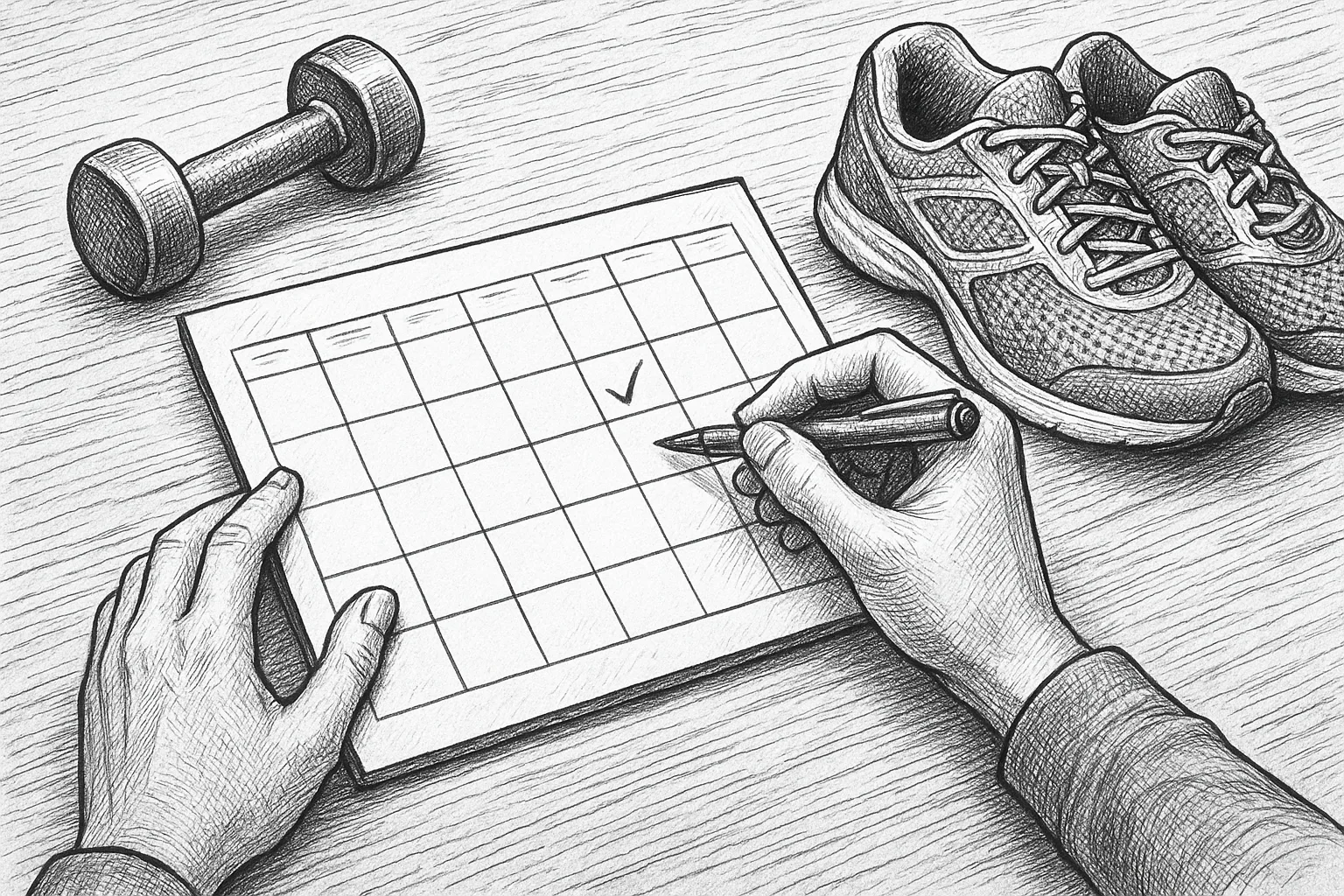
Keeping a simple log of your activity, whether in a notebook or an app, can be motivating. Seeing your progress over days and weeks encourages you to keep going. Celebrate small wins like completing your first week or adding an extra five minutes.
Step 7: Be Flexible and Kind to Yourself
Life happens — missed sessions or low-energy days are normal. Rather than beating yourself up, view setbacks as part of the process. Adapt your plan as needed and remind yourself that every bit of movement counts. This positive mindset helps maintain long-term success.
Common Myths About Building Fitness Habits
- Myth 1: You Need to Be Motivated Every Day Motivation can fluctuate. Relying on it alone often leads to inconsistency. Habits form best through repetition and routine, not just motivation.
- Myth 2: More Exercise Is Always Better Overdoing it can cause burnout or injury. Sustainable exercise balances effort with rest and fits comfortably into your lifestyle.
- Myth 3: You Must Follow a Strict Plan Strict plans can feel overwhelming and rigid. Flexible routines that allow variety and enjoyment are easier to maintain.
- Myth 4: You Need Special Equipment or a Gym Many effective workouts require no equipment at all. Walking, bodyweight exercises, or stretching can all build fitness.
Additional Tips for Sustainability
- Find a Buddy: Exercising with a friend increases accountability and makes activity more enjoyable.
- Mix It Up: Vary your activities to keep things interesting and work different muscle groups.
- Set Mini Goals: Short-term targets like trying a new class or increasing steps help maintain focus and provide a sense of achievement.
- Listen to Your Body: Pay attention to how you feel and adjust intensity or rest days to avoid burnout.
Conclusion
Building a fitness habit that lasts is about creating a routine that fits your lifestyle and feels rewarding rather than forced. Start small, stay consistent, and choose activities you enjoy. Be flexible and kind to yourself through ups and downs, and remember that progress takes time. By focusing on sustainable habits, you’ll find exercise becomes a natural and positive part of your life.
This article provides general educational information only and is not a substitute for professional medical advice. Always consult a qualified healthcare professional for personal guidance.