
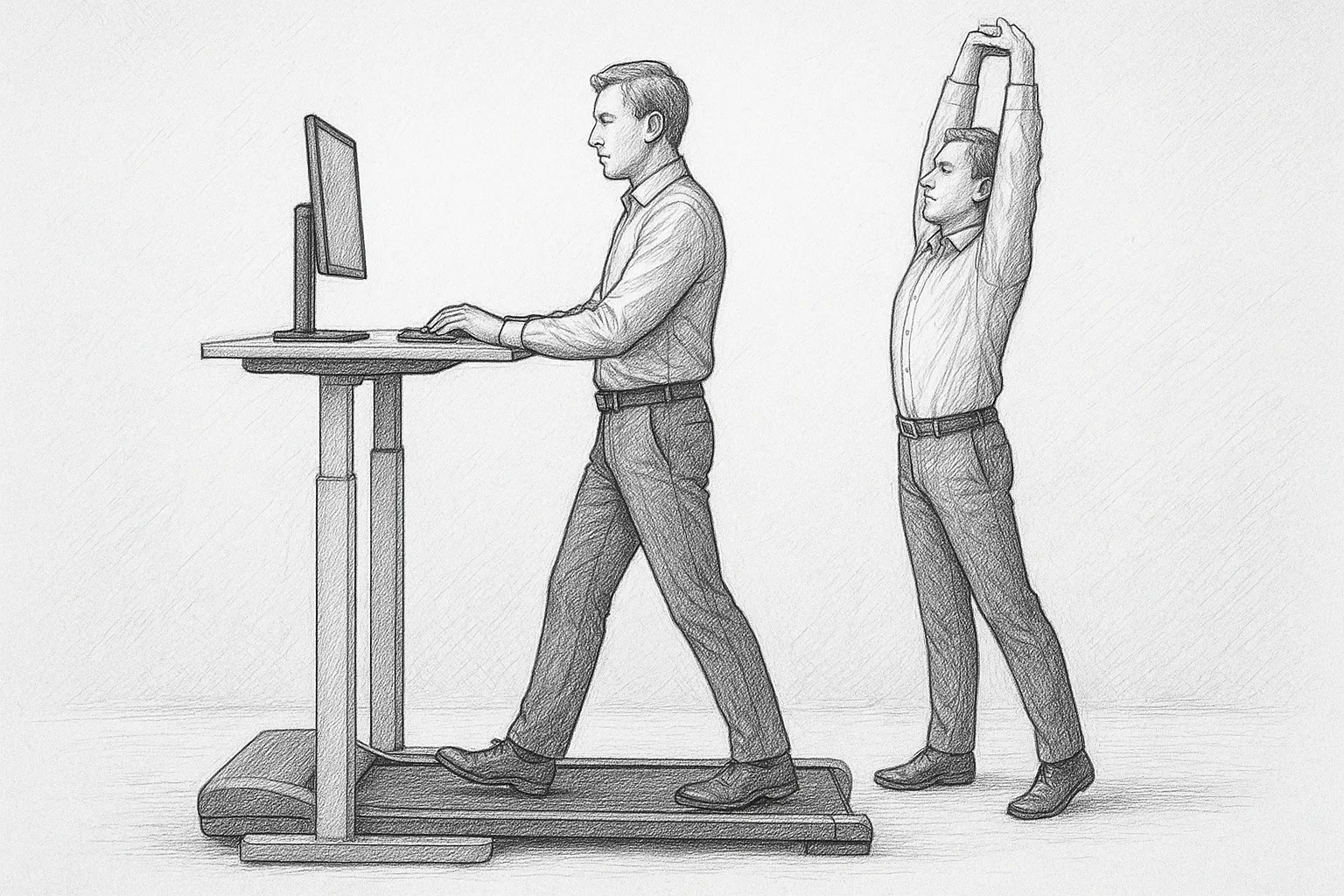
How to Add More Movement to a Desk-Based Job: Practical Tips for Everyday Activity
Many of us spend a large part of our day sitting at a desk, whether working from home or in an office. While this style of work is necessary for many jobs, it can lead to prolonged periods of inactivity that may affect our health and wellbeing. Fortunately, adding more movement to a day spent at a desk is entirely possible with some simple, sustainable habits.
Why Movement Matters Even During Desk Work
Research shows that sitting for long periods is linked to increased risks of health issues such as back pain, poor posture, reduced circulation, and even metabolic concerns. Regular movement helps counteract these effects by improving blood flow, reducing muscle stiffness, and boosting energy levels.
Incorporating more movement isn’t about doing intense exercise at your desk—it’s about small, manageable actions that can fit seamlessly into your workday.
Step-by-Step Tips to Add More Movement to Your Desk-Based Job
- Set a Timer to Stand or Move Regularly Use a timer or phone reminder every 30 to 60 minutes to stand up, stretch, or walk around for a few minutes. Even 2–5 minutes can make a difference in breaking up long periods of sitting.
- Create a Movement-Friendly Workspace Consider using a sit-stand desk or an adjustable workstation. Alternating between sitting and standing can reduce the strain on your back and legs. If a standing desk isn’t an option, a high table or countertop can sometimes serve as a standing spot.
- Walk or Move During Breaks Use your breaks to take a short walk, whether it’s around your home, office, or outside. Walking increases circulation and refreshes the mind, helping you return to work feeling more alert and focused.
- Incorporate Simple Desk Exercises Gentle exercises like shoulder rolls, neck stretches, seated leg lifts, or ankle rotations can be done without leaving your chair. These movements help reduce muscle tension and improve circulation.
- Use the Phone as a Movement Cue When on calls, stand up or pace if possible. This helps you integrate movement into moments that might otherwise involve sitting still.
- Park or Set Up Your Workspace Strategically If working in an office, park further away or take stairs instead of lifts. At home, place frequently used items a little further from your desk so you need to get up to retrieve them.
- Try Active Commuting If you travel to work, consider walking or cycling part or all of your journey. Even getting off public transport a stop early to walk more can add valuable activity.
- Engage in Short Movement Challenges Set small goals such as 10 squats, a short stretch routine, or a quick dance to your favourite song during breaks. These bursts can lift your mood and activate muscles.
Myths About Movement at a Desk Job
- Myth: You need long workouts to benefit from movement. Fact: Frequent short bursts of activity throughout the day can be just as beneficial as longer sessions.
- Myth: Movement at work distracts from productivity. Fact: Brief breaks to move often improve focus and reduce fatigue, enhancing overall productivity.
- Myth: Only vigorous exercise counts as movement. Fact: Gentle stretching, walking, and standing are valuable forms of movement that support health.
- Myth: If you exercise before or after work, sitting all day doesn’t matter. Fact: Even regular exercisers benefit from reducing sedentary time throughout the day.
Practical Habits to Sustain Movement in Your Workday
Building sustainable habits helps make movement a natural part of your day rather than a chore. Here are some ideas to keep you moving consistently:
- Plan Movement Breaks – Add reminders to your calendar to stand, stretch, or walk.
- Buddy Up – Encourage a colleague or friend to join you for walks or movement breaks.
- Mix It Up – Vary your movements to keep things interesting and work different muscles.
- Track Progress – Use a simple app or journal to note your movement habits and celebrate achievements.
- Be Kind to Yourself – Recognise that some days will be busier than others. Doing a little movement is better than none.
Conclusion
Adding more movement to a desk-based job is achievable with small, consistent changes. By setting reminders, creating a movement-friendly workspace, taking purposeful breaks, and busting common myths, you can improve your physical and mental wellbeing without disrupting your work. Remember, it’s the little steps taken regularly that make the biggest difference over time.
This article provides general educational information only and is not a substitute for professional medical advice. Always consult a qualified healthcare professional for personal guidance.