
How Protein Supports a Healthy Metabolism
Protein is often celebrated as a key nutrient for building muscles, but its role in supporting a healthy metabolism is just as important. Metabolism refers to all the processes your body uses to convert food into energy and keep you functioning. Protein can boost your metabolism naturally and help you maintain energy levels throughout the day.
Understanding how protein works with your metabolism can empower you to make sustainable dietary choices that support your overall health and wellbeing. In this article, we’ll explore why protein is essential for metabolism, share practical tips on including protein in your meals, and clear up some common myths.
What Is Metabolism and Why Does Protein Matter?
Your metabolism is like your body’s engine, converting the food you eat into energy. This energy fuels everything from breathing and circulating blood to walking and thinking. The rate at which your body burns calories is called your metabolic rate.
Protein plays a special role because of something called the thermic effect of food (TEF). This means your body uses more energy to digest and process protein compared to fats or carbohydrates. In fact, protein can increase your metabolism by 15-30%, whereas carbs boost it by 5-10%, and fats only by 0-3%.
Additionally, protein helps preserve muscle mass, which is important because muscle tissue burns more calories than fat even when you’re resting. So, eating enough protein can support a more efficient metabolism over time.
Comparing Different Protein Sources: Whey, Casein, Soy, and Pea
Not all proteins are the same, and the type you choose can affect how well your body uses them. Here’s a quick look at some common protein types:
- Whey Protein: Derived from milk, whey is a fast-digesting protein that is rich in essential amino acids, making it great for muscle repair and boosting metabolism quickly after meals or workouts.
- Casein Protein: Also from milk, casein digests slowly, providing a steady release of amino acids. This slow digestion can help keep your metabolism active over a longer period, especially overnight.
- Soy Protein: A plant-based protein that contains all essential amino acids, soy is a good option for vegetarians and vegans. It helps support muscle mass and metabolism but generally digests at a moderate rate.
- Pea Protein: Another plant-based option, pea protein is rich in branched-chain amino acids (BCAAs) that help with muscle metabolism. It is also digested moderately and is hypoallergenic.
Choosing a variety of these protein sources can help meet your needs and keep your metabolism supported in different ways.
Practical Tips to Include Protein for a Healthy Metabolism
Incorporating enough protein into your diet doesn’t have to be complicated. Here are some simple, sustainable steps you can take:
- Start your day with protein: Include eggs, Greek yoghurt, cottage cheese, or a plant-based protein smoothie in your breakfast to kickstart your metabolism.
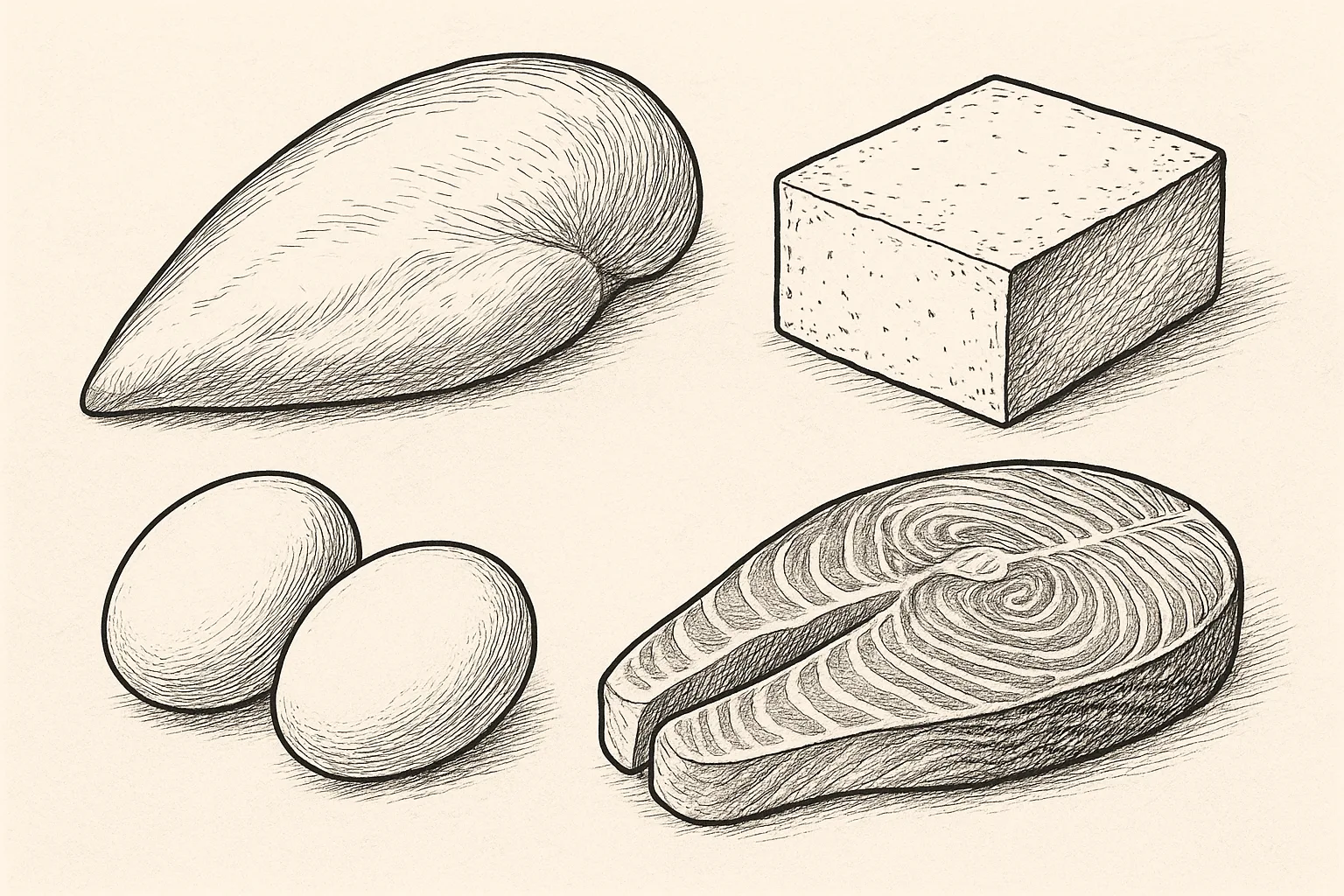
- Balance your meals: Aim to include a source of protein with every meal, such as chicken, legumes, tofu, or fish. This helps maintain steady energy and supports metabolism throughout the day.
- Snack smart: Choose protein-rich snacks like nuts, seeds, hummus with veggie sticks, or a small portion of cheese to keep your metabolism active between meals.
- Hydrate well: Drinking enough water aids digestion and nutrient absorption, which complements the metabolic benefits of protein.
- Consider timing: Consuming protein evenly throughout the day can be more effective for metabolism than eating it all at once.
- Mix protein types: Combine animal and plant-based proteins to get a broad range of amino acids and nutritional benefits.
Myths About Protein and Metabolism
There are many misconceptions about protein and how it affects metabolism. Let’s clear up a few:
- Myth: More protein always means better metabolism. Eating excessive protein won’t necessarily speed up your metabolism further and can be hard on your kidneys over time. Balance is key.
- Myth: Only animal protein supports metabolism. Plant proteins like soy and pea also provide essential amino acids and support metabolism effectively.
- Myth: Protein alone will make you lose weight. Protein supports metabolism but healthy weight management also depends on overall diet, physical activity, sleep, and stress levels.
- Myth: You should eat protein only after workouts. While post-exercise protein helps muscle repair, spreading protein intake across the day benefits metabolism better.
Additional Lifestyle Factors That Support Metabolism
Protein is important, but metabolism thrives when paired with other healthy habits:
- Regular physical activity: Exercise, especially strength training, helps build muscle mass which boosts metabolic rate.
- Quality sleep: Poor sleep can disrupt metabolism and hunger hormones, making it harder to maintain a healthy weight.
- Stress management: Chronic stress can slow metabolism and lead to unhealthy eating patterns.
Focusing on these areas alongside protein intake creates a more sustainable approach to a healthy metabolism.
Conclusion
Protein is a powerful ally for supporting a healthy metabolism. By choosing a variety of protein sources like whey, casein, soy, and pea, and including them consistently in your meals, you can boost your metabolic rate and maintain energy levels. Remember to balance your diet with regular exercise, quality sleep, and stress management for the best results. Sustainable, everyday habits matter most when it comes to long-term health and wellbeing.
This article provides general educational information only and is not a substitute for professional medical advice. Always consult a qualified healthcare professional for personal guidance.