
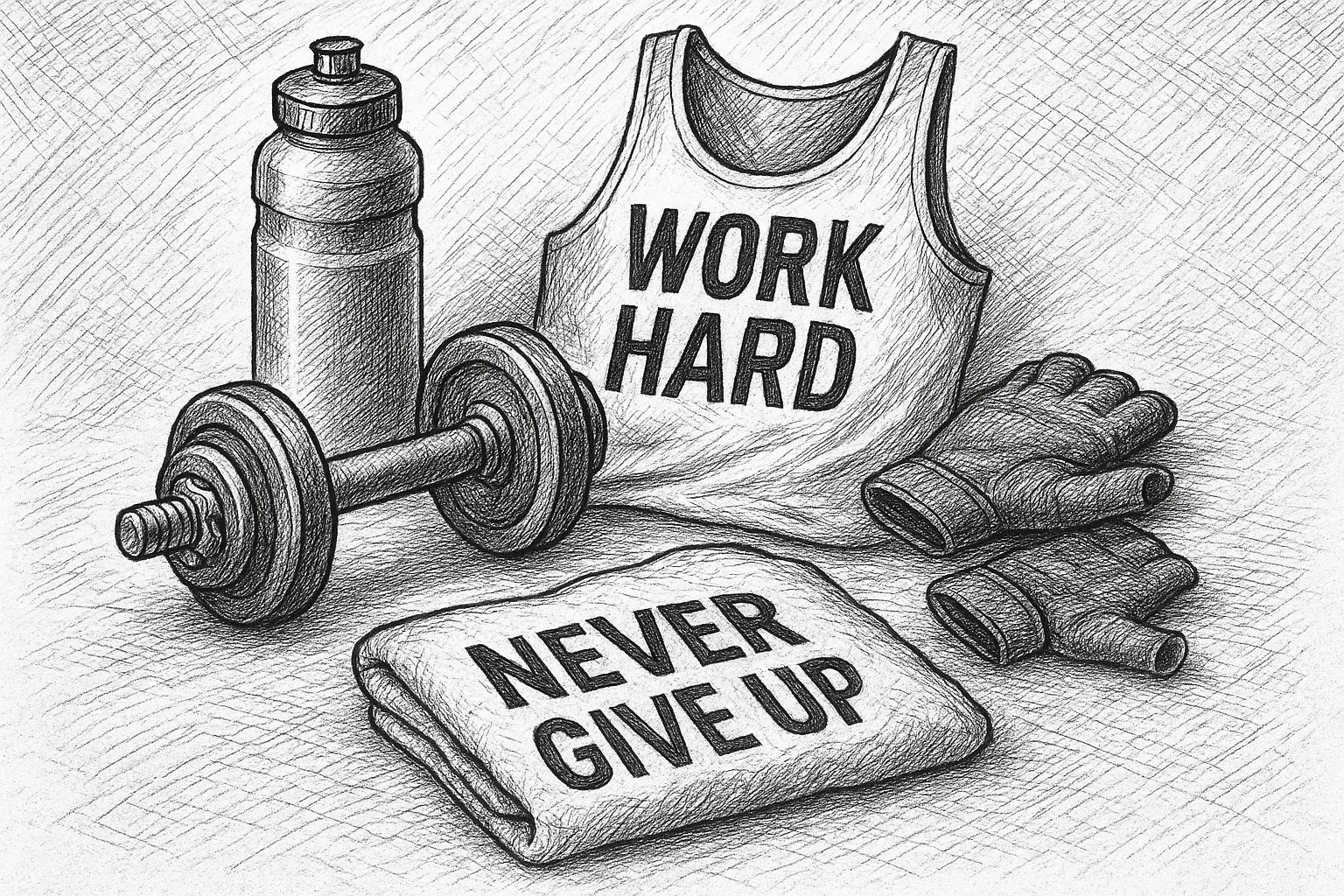
Fitness Mindset Tips for Beginners: Starting Your Journey Right
Starting a fitness journey can feel exciting and overwhelming at the same time. For beginners, the right mindset is just as important as the workouts themselves. Building sustainable habits and keeping your focus on wellbeing rather than quick fixes will help you enjoy your progress and stay motivated. This article shares practical, science-backed tips to cultivate a positive fitness mindset and avoid common pitfalls that many newcomers face.
Step 1: Set Realistic, Personal Goals
One of the most important mindset tips for beginners is to set achievable goals that are meaningful to you. Instead of aiming for rapid weight loss or dramatic changes overnight, focus on small, consistent improvements. For example, you might aim to complete three 20-minute workouts per week or simply increase your daily step count.
- Make goals specific: “I want to walk 10,000 steps daily” is clearer than “I want to be more active.”
- Keep goals measurable: Tracking your progress helps you stay motivated.
- Be flexible: Life happens. If you miss a workout, don’t be discouraged—adjust and keep going.
Step 2: Focus on Enjoyment and Variety
Exercise doesn’t have to be a chore. Finding activities you genuinely enjoy increases the likelihood you’ll stick with them. Whether it’s dancing, swimming, cycling, or walking in nature, variety keeps things interesting and challenges different muscle groups.
- Try different types of workouts to discover what suits your preferences and lifestyle.
- Mix cardio, strength, and flexibility exercises for balanced fitness benefits.
- Remember, movement is movement—any activity counts towards your wellbeing.
Step 3: Build a Supportive Environment
Your surroundings can greatly impact your motivation. Creating an environment that supports your fitness goals helps maintain momentum.
- Find a workout buddy: Exercising with a friend increases accountability and makes workouts more fun.
- Prepare your space: Having workout clothes or equipment ready reduces excuses.
- Join a community: Whether online or in person, support groups can encourage you and provide helpful tips.
Step 4: Prioritise Consistency Over Intensity
As a beginner, it’s better to focus on regular activity rather than pushing yourself too hard initially. Consistency builds a solid foundation and reduces the risk of injury or burnout.
- Start with manageable sessions—10 to 20 minutes may be enough.
- Increase duration and intensity gradually as your fitness improves.
- Rest and recovery are part of the process; listen to your body.
Step 5: Embrace a Growth Mindset
A growth mindset means understanding that fitness is a journey, not a destination. Mistakes or slow progress don’t mean failure—they’re part of learning and improving.
- Celebrate small victories, like increased stamina or improved mood.
- View challenges as opportunities to learn more about your body and preferences.
- Be patient with yourself; real change takes time.
Debunking Common Fitness Myths for Beginners
Many beginners feel discouraged by myths that create unrealistic expectations. Here are some common misconceptions to be aware of:
- Myth: You have to exercise intensely every day to see results. In reality, moderate, consistent activity is more sustainable and just as beneficial for health.
- Myth: More sweat means a better workout. Sweating varies by person and environment; it’s not an indicator of effort or calories burned.
- Myth: You need expensive equipment or gym memberships. Walking, bodyweight exercises, and simple stretches can be done anywhere and are effective.
- Myth: If you don’t see immediate changes, you’re not making progress. Fitness improvements often happen gradually and include better mood, energy, and sleep, not just physical appearance.
Practical Tips to Maintain a Positive Fitness Mindset
- Track your progress: Use a journal or app to note how you feel, what you do, and achievements.
- Practice self-compassion: Treat yourself kindly on off days and avoid negative self-talk.
- Visualise your goals: Imagine how regular activity improves your life beyond just fitness.
- Reward yourself: Celebrate milestones with non-food treats like a relaxing bath or new workout clothes.
- Educate yourself: Understanding the benefits of exercise and how your body works can boost motivation.
Conclusion: Building a Fitness Mindset That Lasts
Starting a fitness journey is as much about your mindset as it is about physical activity. By setting realistic goals, finding enjoyable activities, and embracing consistency, you create habits that support your wellbeing sustainably. Remember, progress is personal and non-linear; every step counts. Be patient and kind to yourself, and seek support when needed. Over time, your positive mindset will make fitness an enjoyable part of your lifestyle rather than a chore.
This article provides general educational information only and is not a substitute for professional medical advice. Always consult a qualified healthcare professional for personal guidance.