
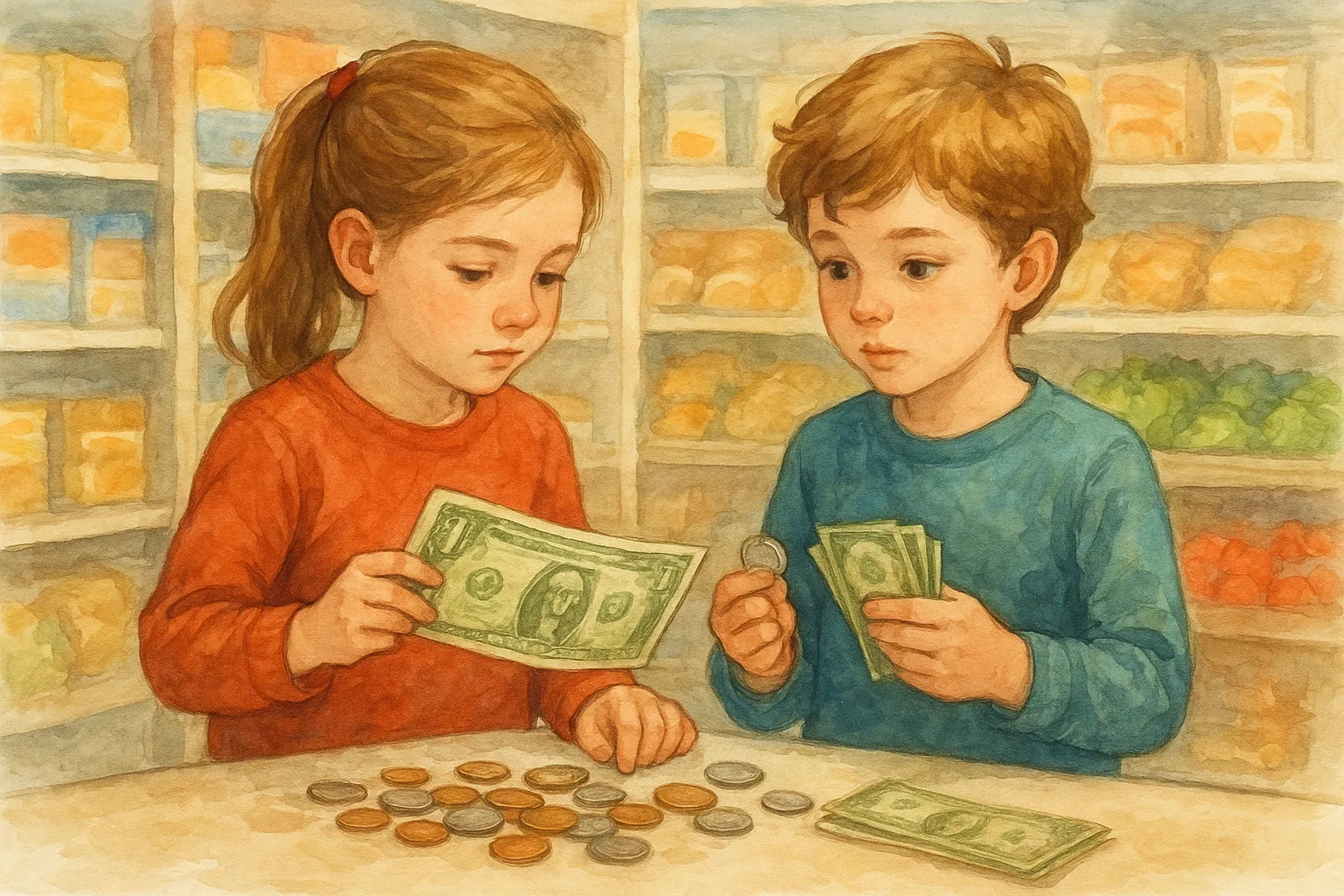
Series: Finance for Kids
Phase 6: Smart Spending & Shopping — Part 72 of 166
Understanding Value for Money
Teaching children about money can be a fun and rewarding experience. One essential lesson is understanding what “value for money” means. This helps kids make smart choices when spending their pocket money or making bigger purchases. In this article, we will explore how to explain this concept to kids using simple examples and practical tips.
What Does “Value for Money” Mean?
Value for money is about getting the best benefit for the amount of money spent. It’s not always about finding the cheapest option; sometimes, spending a little more can provide better quality or satisfaction. For example, if your child wants to buy a toy, they might find two similar toys: one is cheaper but breaks easily, while the other costs a bit more but lasts much longer. The second toy offers better value for the money spent.
Why Is It Important?
Understanding value for money helps children:
- Make wise spending choices.
- Learn to compare options effectively.
- Understand the difference between needs and wants.
- Appreciate quality over quantity.
Practical Steps to Teach Value for Money
1. Use Everyday Examples
Start by using examples from daily life. When shopping, talk about why some products are more expensive than others. For instance, if you buy fruit, compare the price of organic apples to regular ones. Discuss why one might cost more, focusing on quality and health benefits.
2. Involve Them in Shopping
Take your child shopping with you and let them help make decisions. Allow them to pick items within a budget. Discuss the prices and ask questions like:
- “What do you think is the best deal?”
- “Is this product worth the price?”
3. Create a Comparison Chart
Make a simple chart to compare different products. You can include:
- Product Name
- Price
- Quality (1-5 stars)
- Durability (how long it lasts)
4. Use Real-Life Scenarios
Set up scenarios where your child has to choose between two options. For example, give them a budget for a small party and let them decide how to spend it:
- Option A: Buy a big cake but no decorations.
- Option B: Get a smaller cake, plus decorations and party hats.
5. Discuss Needs vs. Wants
Help your child understand the difference between needs and wants. Needs are essential items, such as food and clothing, while wants are things that are nice to have but not necessary. Ask questions like:
- “Do we need this item, or do we just want it?”
- “Can we find a cheaper option that still meets our needs?”
Common Myths About Value for Money
Myth 1: Cheaper Is Always Better
Many people think that the cheapest option is the best. However, sometimes spending a little more on a quality item can save money in the long run. It’s important to consider durability and satisfaction.
Myth 2: Brand Names Are Always Worth It
Brand names can be expensive, but they aren’t always better. Teach your child to look at the quality and features of a product, not just the label.
Conclusion
Teaching kids about value for money helps them become responsible spenders. By using everyday examples, involving them in shopping, and discussing needs versus wants, you can equip them with essential skills for their financial future. Remember, it’s all about making informed choices!
This article provides general educational information only and is not financial advice. Always seek guidance from a qualified professional for personal financial decisions.
Previous: Helping Kids Understand Sales and Discounts
Next: Explaining Loyalty Cards and Reward Points