
Series: Finance for Kids
Phase 6: Smart Spending & Shopping — Part 66 of 166
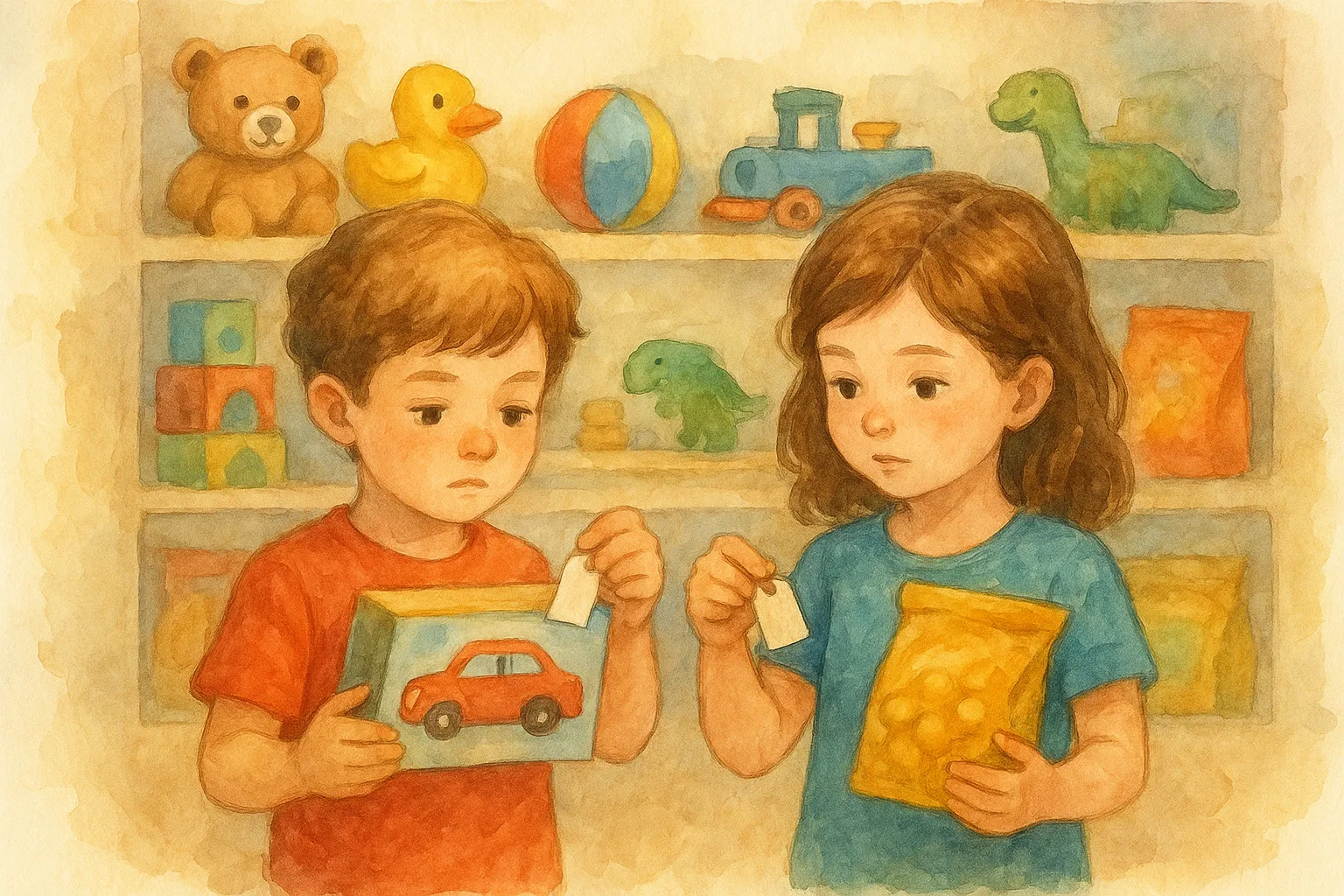
Teaching Critical Thinking with “Is This Worth It?” Discussions
Helping children understand the value of money is crucial for their future. One effective way to do this is by engaging them in discussions about whether something is really worth its cost. This approach encourages critical thinking and helps kids make informed decisions about spending.
Why Critical Thinking Matters
Critical thinking allows children to assess situations, weigh options, and make decisions based on logic rather than impulse. It is essential not just for financial decisions but also for everyday life choices. By asking “Is this worth it?”, children learn to evaluate the benefits and drawbacks of their purchases.
How to Start “Is This Worth It?” Discussions
Here are some simple steps to initiate these discussions:
- Choose a Relevant Situation: Start with something relatable. It could be a toy they want, a snack at the shop, or even a video game. Look for everyday moments where spending decisions come into play.
- Ask Open-Ended Questions: Instead of yes or no questions, ask questions like, “What do you think this toy can do?” or “How long do you think you will play with this game?” This allows them to express their thoughts freely.
- Discuss Alternatives: Talk about other options. For example, if they want a new toy, ask if they could use or borrow something they already have. This helps them think about value in different ways.
- Weigh the Costs and Benefits: Help them list the pros and cons. For instance, if they want a new gadget, discuss how much time they would spend using it compared to how much it costs.
- Encourage Independence: Allow them to make the final decision. This helps them feel empowered and responsible for their choices. Whether they decide to buy the item or not, it’s a learning opportunity.
Everyday Examples
Here are some everyday scenarios to illustrate the “Is This Worth It?” principle:
- Snacks at the Shop: If your child asks for a chocolate bar, discuss how much it costs and what else they could buy instead. Perhaps they could get a larger bag of fruit for the same price and enjoy it longer.
- Video Games: If they want a new game, talk about how many hours they would play it versus how many hours they spend on the games they already own. This can help them reflect on whether the new game is worth it.
- Toys: If they see a toy they want, ask how long they think they will play with it. They might realise that a book could give them more enjoyment over time.
Myths About Money Discussions
There are several myths that can hinder effective money discussions. Here are a few:
- Myth 1: “Kids are too young to understand money.” Many children can grasp basic concepts of value and money at an early age.
- Myth 2: “Talking about money will make them greedy.” In reality, open conversations about money can teach them to appreciate what they have and make thoughtful choices.
- Myth 3: “Money talks are boring.” When approached with fun and creativity, discussions about money can be engaging and enjoyable for kids.
Conclusion
Teaching children to think critically about spending is an invaluable life skill. By engaging them in discussions about whether something is worth its cost, you help them develop a thoughtful approach to money management. These conversations can build their confidence in making financial decisions that are right for them.
This article provides general educational information only and is not financial advice. Always seek guidance from a qualified professional for personal financial decisions.
Previous: How Kids Can Learn About Comparison Shopping
Next: How to Teach Kids to Compare Prices