
Series: Finance for Kids
Phase 4: Budgeting & Planning — Part 46 of 166
Helping Kids Plan a Budget for a Toy Purchase
Buying a new toy can be exciting for kids! But have you ever thought about how to make this experience a learning opportunity? Teaching children how to budget for a toy purchase can be a fun and educational process. In this article, we will guide you through the steps to help your child plan a budget for their next toy. Let’s get started!
Step 1: Discuss the Desired Toy
First, find out which toy your child wants. Is it a new action figure, a doll, or maybe a board game? Talk about why they want this specific toy. Understanding their motivation can help them appreciate the value of money.
Step 2: Set a Budget
Next, it’s time to set a budget. Discuss how much money they will need to save to buy the toy. Here’s how you can do this:
- Check the Price: Look up the price of the toy together. This helps them understand the real cost.
- Set a Goal: Decide on a budget that fits your family’s spending habits. For a toy, this might be £10, £20, or more.
- Consider Other Costs: Sometimes, toys come with additional costs like batteries or accessories. Make sure to discuss these extras!
Step 3: Create a Savings Plan
Now that you know the budget, it’s time to plan how to save for it. Here are some ways to help your child save money:
- Weekly Allowance: If your child receives pocket money, they can save a portion each week.
- Chores: Offer small jobs around the house that they can do for extra money.
- Gifts: If they have a birthday or special occasion coming up, they might ask for money towards the toy instead of other gifts.
Step 4: Track Savings Progress
Tracking progress can be motivating! Here’s how to help your child keep track:
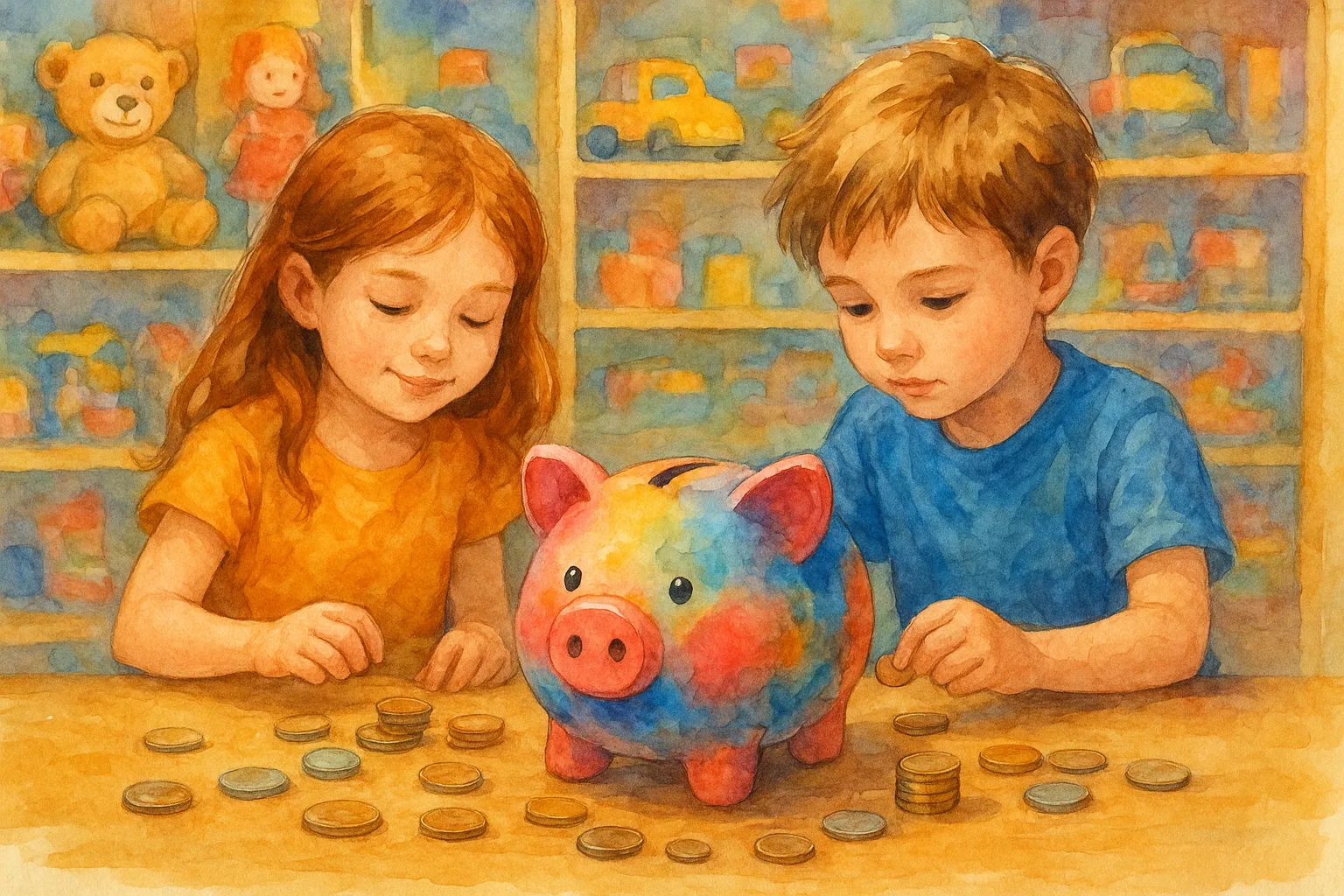
- Savings Jar: Use a clear jar to collect coins. Kids love seeing their savings grow!
- Chart: Create a simple chart where they can mark off their savings each week. This visual can be very encouraging.
- Apps: For older kids, you might consider using simple apps designed for tracking savings.
Step 5: Make the Purchase
Once your child has saved enough money, it’s time to make the purchase! Take them to the store or shop online together. This is a great opportunity to teach them about comparing prices and making choices. Ask them questions like:
- Is this the best price?
- Are there other toys that might be more fun or a better value?
Encourage them to think critically and make informed decisions.
Common Myths About Budgeting
There are many myths about budgeting that can make it seem scary or boring. Here are a few to clear up:
- Myth 1: Budgeting is only for adults.
- Fact: Kids can learn budgeting at any age, and it can be fun!
- Myth 2: You need to have lots of money to budget.
- Fact: Budgeting is about making the most of what you have, no matter how much it is.
- Myth 3: Budgeting means you can’t buy anything fun.
- Fact: A budget helps you plan for fun purchases, like toys!
Conclusion
Helping your child budget for a toy purchase is a wonderful way to teach them about money management. By discussing desires, setting a budget, creating a savings plan, tracking progress, and finally making the purchase, they learn valuable skills. Remember, budgeting doesn’t have to be dull; it can be an enjoyable adventure!
This article provides general educational information only and is not financial advice. Always seek guidance from a qualified professional for personal financial decisions.
Previous: Teaching Kids the 50/30/20 Rule With Simple Examples
Next: Budgeting for Events Like Birthdays or Holidays