
Series: Finance for Kids
Phase 4: Budgeting & Planning — Part 43 of 166
Why Budgeting Games?
Budgeting is an essential skill for everyone, and what better way to teach kids about it than through fun games? Budgeting games help children understand how to manage money, make choices, and plan for the future. They learn valuable lessons about saving, spending, and prioritising their needs versus their wants.
Benefits of Budgeting Games
Engaging in budgeting games provides numerous benefits:
- Enhances critical thinking: Kids learn to make choices based on their available resources.
- Promotes teamwork: Many games encourage collaboration, teaching children how to work together towards a common goal.
- Encourages responsibility: Children learn to take charge of their money and understand the consequences of their decisions.
- Builds confidence: As they master budgeting concepts, kids feel more secure in their financial knowledge.
Fun Budgeting Games to Play
Here are some enjoyable budgeting games you can play with your kids:
1. The Shopping Game
In this game, kids use play money to buy items from a pretend store. Here’s how to do it:
- Gather items around the house (toys, books, snacks) and assign prices to them.
- Give each child a set amount of play money.
- Let them browse and decide what to buy, encouraging them to stick to their budget.
- Discuss their choices and whether they stayed within budget.
2. The Saving Challenge
This game helps children learn the importance of saving. Here are the steps:
- Set a savings goal (like buying a new toy or game).
- Help them create a chart to track their progress.
- Encourage them to save a portion of their allowance or money received as gifts.
- Celebrate when they reach their goal, reinforcing the value of saving.
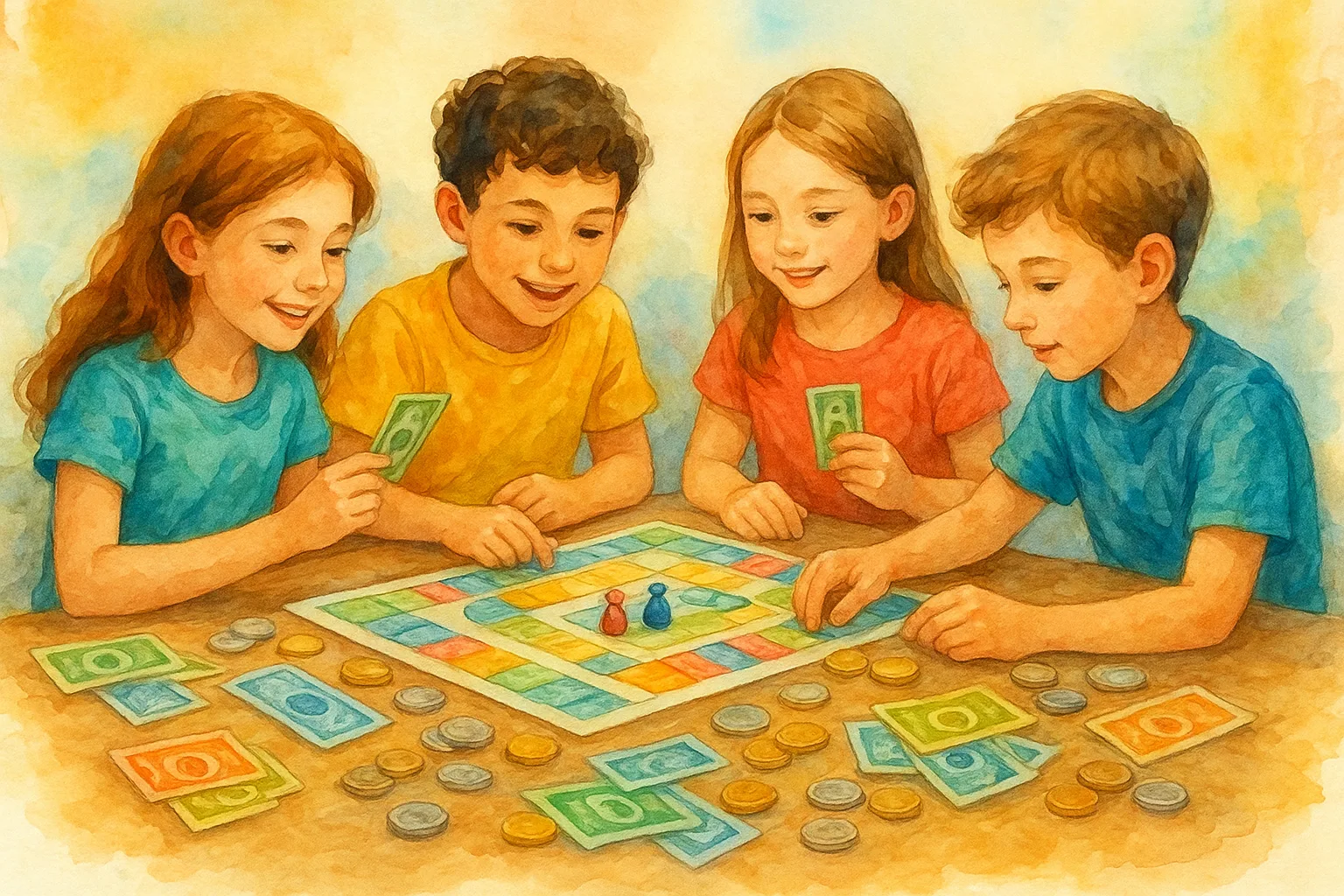
3. Budgeting Board Game
Create a simple board game where players navigate through different financial scenarios:
- Draw a board with spaces that represent different expenses (bills, groceries, fun activities).
- Players roll a dice to move forward and must decide how to allocate their budget based on where they land.
- Discuss each scenario to reinforce lessons about financial planning.
4. Online Budgeting Games
There are many online games designed to teach budgeting skills:
- Look for interactive games that simulate real-life financial decisions.
- Ensure they are age-appropriate and educational.
- Play together and discuss the decisions made during the game.
Step-by-Step Tips for Success
To make the most of these budgeting games, here are some practical tips:
- Keep it age-appropriate: Choose games that match your child’s understanding of money.
- Make it a family activity: Involve the whole family to create a supportive learning environment.
- Encourage discussions: Talk about choices made during the games and what could be done differently.
- Be patient: Learning about budgeting takes time. Celebrate small victories along the way.
Myths About Budgeting Games
There are some common myths about budgeting and games that might hold you back:
- Myth 1: Budgeting is boring. Fact: Budgeting games can be fun and engaging!
- Myth 2: Kids won’t understand budgeting. Fact: Kids can grasp budgeting concepts through play and practical examples.
- Myth 3: Only older kids need to learn about budgeting. Fact: It’s never too early to start teaching money management skills.
Conclusion
Introducing budgeting games to your children is a wonderful way to equip them with essential money management skills. Through play, they learn to make informed choices, understand the value of saving, and become responsible with their finances. Remember to keep it fun and celebrate their progress along the way!
This article provides general educational information only and is not financial advice. Always seek guidance from a qualified professional for personal financial decisions.
Previous: Introducing Kids to the Basics of Family Finance
Next: How to Create a Kid-Friendly Monthly Budget