
Series: Finance for Kids
Phase 2: Earning, Work & Allowances — Part 24 of 166
Understanding Money: A Guide for Kids
Teaching kids about money can seem tricky, but it doesn’t have to be! By introducing simple concepts and using everyday examples, you can help your children understand the value of money and how to manage it wisely. In this guide, we’ll explore some practical steps to teach kids about money, address common myths, and share tips along the way.
Why Teach Kids About Money?
Understanding money is a vital life skill. It helps children make informed choices, develop good habits, and prepare for future responsibilities. When children learn about money early on, they are more likely to grow up to be financially literate adults. Financial literacy means being able to make smart decisions about spending, saving, and planning for the future.
Simple Steps to Teach Kids About Money
Here are some practical ways to introduce money concepts to your children:
1. Start With the Basics
Begin by explaining what money is and why we use it. Use everyday situations to illustrate these concepts:
- Money as a medium of exchange: Explain that we use money to buy things we need or want, like food, toys, or clothes.
- Value of money: Show them that different items cost different amounts and discuss how money has value because people agree to use it in exchange for goods and services.
2. Introduce Earning Money
Talk about how people earn money through work. You can use examples from your own job or from different professions. Here’s how to explain it:
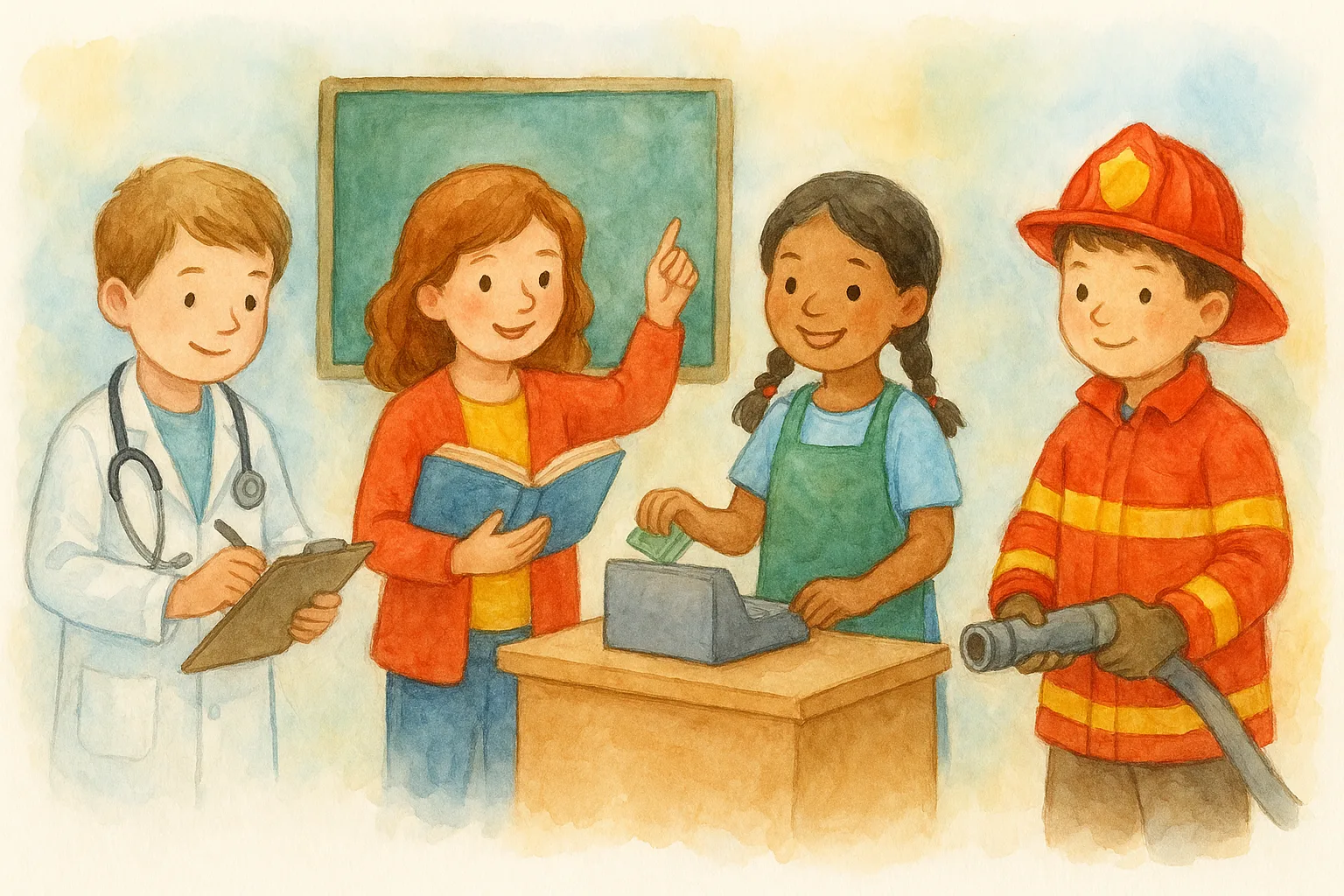
- Discuss jobs people do, like teachers, doctors, or builders, and how they get paid for their work.
- Encourage your children to think about chores they can do at home in exchange for a small allowance, helping them understand the connection between work and earning.
3. Talk About Spending Wisely
Help them understand the difference between wants and needs:
- Needs are things we must have, like food and shelter.
- Wants are things we would like to have, like toys or games.
Discuss how it’s important to prioritise needs over wants and how to make smart spending choices.
4. The Importance of Saving
Explain why saving money is important. Here are a few points to cover:
- Saving can help buy bigger items that are not affordable right away.
- Encourage them to set savings goals, like saving for a new toy or a book.
A fun way to do this is to set up a savings jar. Every time they earn money, they can put a portion into the jar. Watching it fill up can be exciting!
5. Introduce Giving
Teach them the joy of giving. Discuss how sharing money or time can help others. You might encourage them to donate a small portion of their allowance to a charity or help a friend in need. This lesson reinforces the idea that money can be used to make a positive impact.
Common Myths About Money
It’s important to clear up some common misunderstandings about money that children might have:
- Myth: Money grows on trees. Many kids think money is easy to get. Explain that it takes hard work and effort to earn money.
- Myth: You have to be rich to be happy. Help them understand that happiness comes from many things, not just money.
- Myth: Only adults need to worry about money. Teach them that everyone, even kids, can learn to manage money responsibly.
Practical Tips for Parents and Educators
Here are some additional tips to help you teach kids about money:
- Be a role model: Show good financial habits yourself. Children learn a lot by observing the adults around them.
- Make it fun: Use games or apps designed to teach kids about money. This can make learning enjoyable and engaging.
- Encourage questions: Let your children ask about money, and answer their questions honestly. This will help them feel comfortable discussing financial topics.
- Use real-life experiences: Take them shopping and discuss prices, budgets, and choices as they see them in action.
Conclusion
Teaching kids about money is an ongoing journey that can start at any age. By using simple concepts, practical examples, and engaging activities, you can build a strong foundation for their financial understanding. Remember to be patient and encouraging as they learn. With your guidance, they’ll grow into confident decision-makers in their financial lives.
This article provides general educational information only and is not financial advice. Always seek guidance from a qualified professional for personal financial decisions.
Previous: How to Explain Earning vs Gifted Money to Kids
Next: Helping Children Understand Hourly Pay and Work Effort