
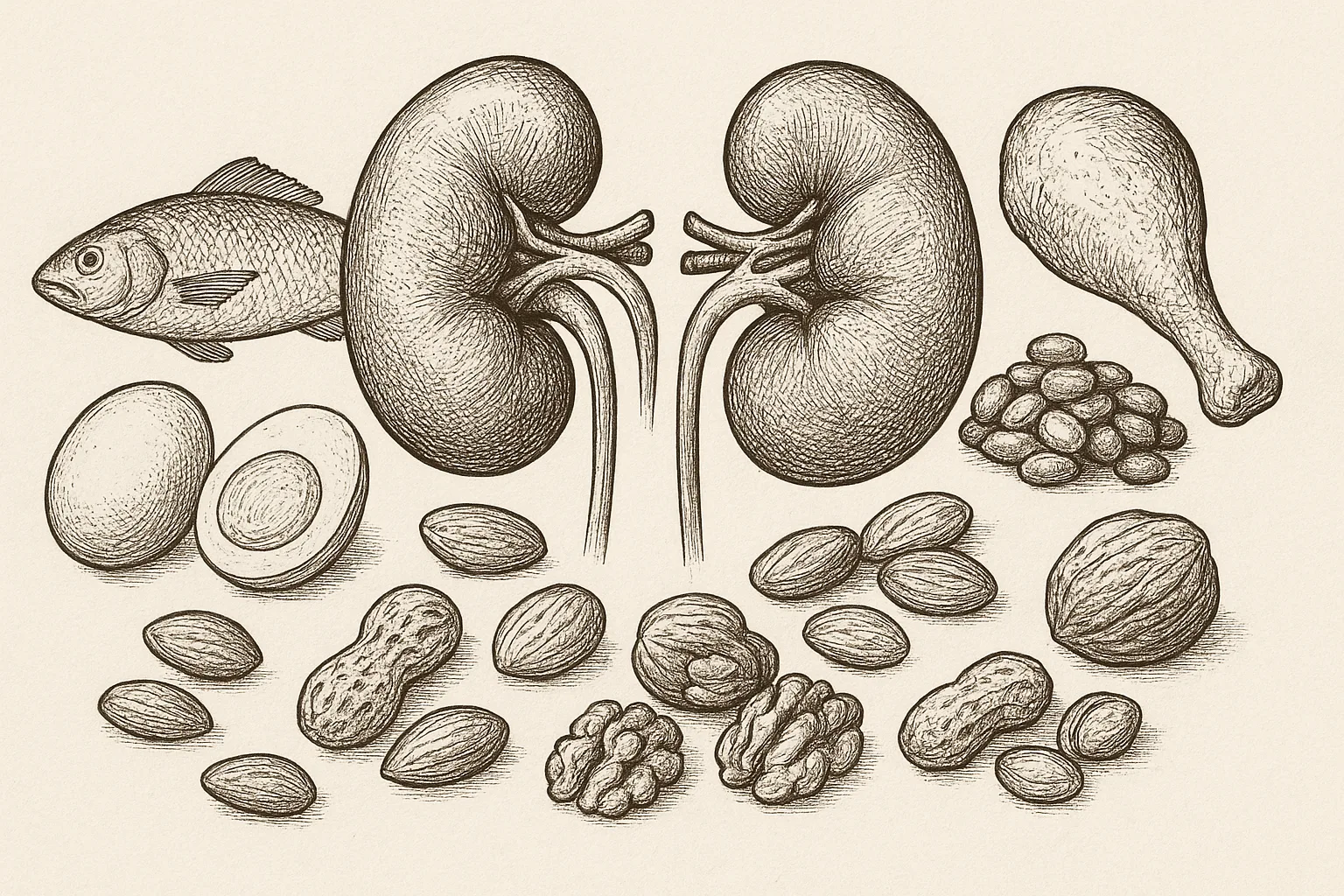
Does Eating More Protein Damage Your Kidneys? Understanding the Facts
Protein is a vital nutrient that supports muscle repair, immune function, and overall health. Many people increase their protein intake to support fitness goals or healthy ageing. Yet, a common concern is whether eating more protein can harm your kidneys. This article explores the evidence behind this question, busts common myths, and offers practical tips for enjoying protein safely as part of a balanced diet.
Why People Worry About Protein and Kidneys
Your kidneys filter waste products from the blood and help regulate body fluids. Some worry that a high-protein diet might overwork the kidneys and cause damage over time. This concern mainly comes from observations in people who already have kidney disease, where managing protein intake is important.
But what about healthy adults? Does eating more protein put your kidneys at risk?
What Does the Research Say?
For people with normal kidney function, current scientific evidence shows that eating higher amounts of protein does not cause kidney damage. Studies following healthy individuals consuming moderate to high protein diets found no adverse effects on kidney health.
However, if someone has existing kidney disease, a healthcare professional may recommend limiting protein intake to reduce kidney workload. This is why it’s important to know your kidney health status before making significant changes to your diet.
Comparing Protein Sources: Whey, Casein, Soy, and Pea
When increasing protein intake, the source can make a difference to both nutrition and kidney health. Here’s a quick look at common protein types:
- Whey Protein: Derived from milk, whey is quickly absorbed and rich in essential amino acids. It’s popular among athletes. For most healthy people, whey is safe and effective.
- Casein Protein: Also milk-based but absorbed more slowly, casein provides a steady release of amino acids, often used before sleep or in sustained energy release. Like whey, it’s generally safe for healthy kidneys.
- Soy Protein: A plant-based alternative, soy contains all essential amino acids and also offers benefits like heart-healthy fats. Soy protein is gentle on kidneys and a great option for vegetarians or those avoiding dairy.
- Pea Protein: Another plant-based protein, pea protein is hypoallergenic and easy to digest. It’s a good choice for those with sensitivities to dairy or soy and is kidney-friendly.
Choosing a variety of protein sources can help ensure balanced nutrition and may support kidney health by avoiding excessive reliance on one type.
Practical Tips for Healthy Protein Habits
- Know Your Needs: Protein requirements vary by age, activity level, and health. Most adults need about 0.75–1 gram of protein per kilogram of body weight daily. Consulting a nutritionist can help tailor your intake.
- Balance Your Plate: Include protein alongside plenty of vegetables, whole grains, and healthy fats. This supports overall kidney health and wellbeing.
- Stay Hydrated: Drinking enough water helps kidneys process waste efficiently, especially when consuming more protein.
- Choose Quality Sources: Combine animal and plant proteins like whey, casein, soy, and pea to get a full range of nutrients.
- Spread Protein Intake: Distribute protein evenly across meals rather than consuming large amounts in one sitting to aid digestion and absorption.
- Listen to Your Body: If you notice any unusual symptoms like swelling, fatigue, or changes in urination, seek professional advice promptly.
Common Myths About Protein and Kidney Health
- Myth: High protein diets cause kidney disease in healthy people. Evidence does not support this; damage is mostly linked to pre-existing kidney conditions.
- Myth: Plant proteins are inferior and harder on kidneys than animal proteins. Plant proteins like soy and pea are excellent and kidney-friendly alternatives.
- Myth: You must avoid dairy proteins if you’re concerned about kidneys. Whey and casein are safe for healthy kidneys when consumed in balanced amounts.
- Myth: More protein is always better. Excessive protein does not equate to better health and can lead to imbalanced nutrition if it replaces other essential foods.
When to See a Professional
If you have a history of kidney issues or other chronic health conditions, it’s wise to consult a healthcare professional before increasing protein intake. They can provide personalised advice and monitoring to keep your kidneys healthy while meeting your nutrition goals.
Conclusion
For most healthy adults, eating more protein does not damage the kidneys. Choosing a variety of protein sources like whey, casein, soy, and pea, staying hydrated, and balancing your diet can support both your fitness goals and kidney health. Avoid myths and focus on sustainable, enjoyable habits. Always listen to your body and seek professional advice if you have concerns about your kidney health.
This article provides general educational information only and is not a substitute for professional medical advice. Always consult a qualified healthcare professional for personal guidance.