
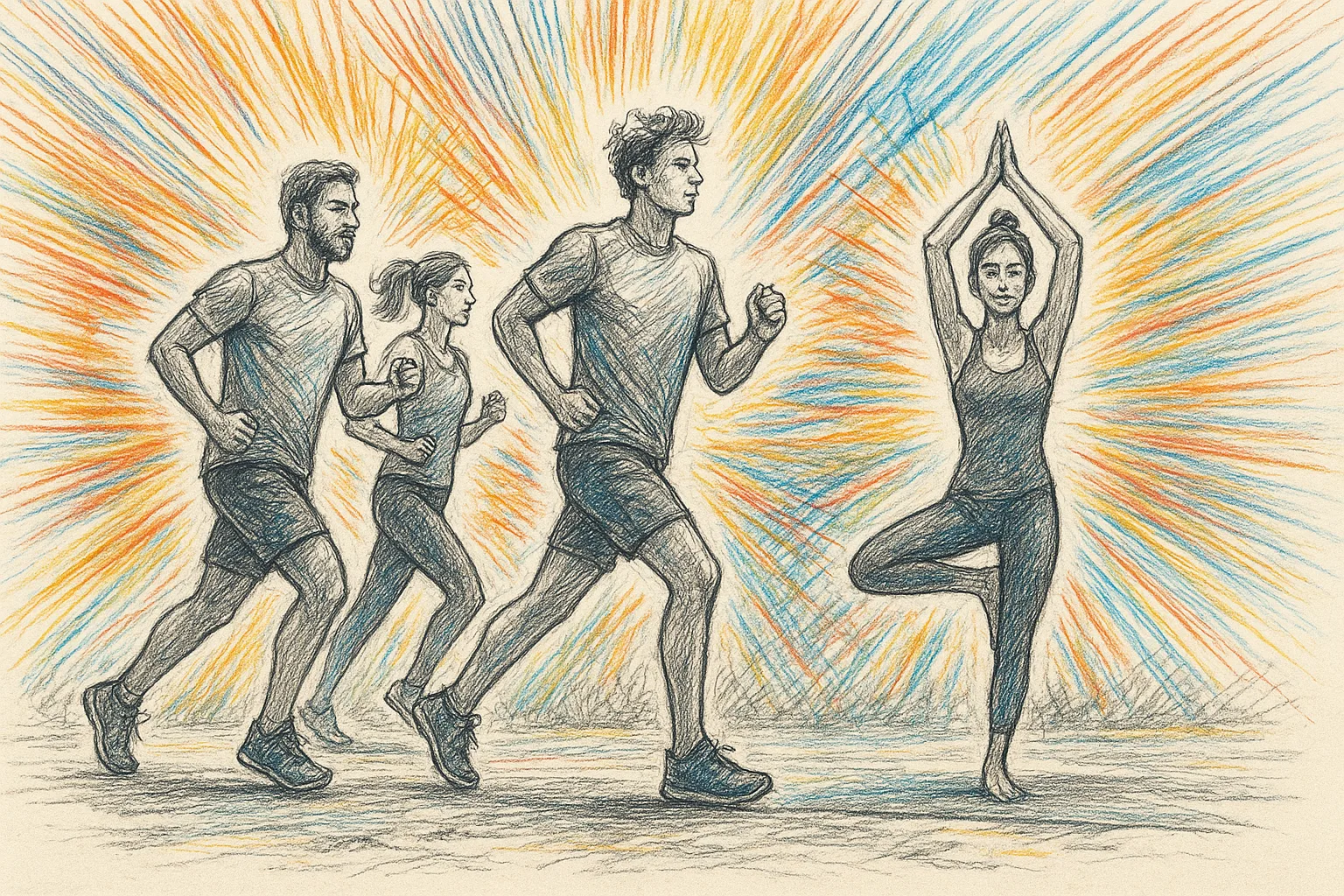
The Connection Between Physical Activity and Energy Levels
Feeling low on energy can make daily tasks seem harder and life less enjoyable. You might think that resting or avoiding exercise is the best solution when you’re tired, but research shows quite the opposite. Engaging in regular physical activity can actually increase your energy levels and reduce feelings of fatigue. Understanding this connection can motivate you to adopt habits that sustainably boost your vitality and overall wellbeing.
How Physical Activity Influences Energy
Physical activity stimulates your body in ways that enhance how you feel throughout the day. When you exercise, your heart rate increases, which improves blood flow and oxygen delivery to your muscles and organs. This helps your body function more efficiently, making you feel more alert and awake.
Exercise also triggers the release of certain chemicals in the brain, such as endorphins and dopamine, which improve mood and reduce stress. Lower stress and better mood often translate to feeling more energetic. Plus, regular physical activity improves sleep quality, which is crucial for restoring energy.
Practical Tips to Boost Energy Through Physical Activity
Incorporating physical activity into your routine doesn’t mean you need to become a gym enthusiast overnight. Sustainable and manageable steps can make a big difference.
- Start Small and Build Gradually: If you’re new to exercise, begin with short walks around your neighbourhood or easy stretching sessions. Even 10 minutes a day can kickstart improvements in your energy.
- Choose Activities You Enjoy: Dancing, gardening, cycling, or gentle yoga can be just as effective as gym workouts. Enjoyment increases the likelihood of sticking with the habit.
- Make It Part of Your Daily Routine: Try walking or cycling to work, taking stairs instead of lifts, or doing quick activity breaks during work hours to keep your energy up.
- Include Both Aerobic and Strength Exercises: Aerobic activities like brisk walking or swimming improve cardiovascular health, while strength training supports muscle health, both contributing to sustained energy.
- Listen to Your Body: Rest when needed and avoid pushing too hard, which can lead to fatigue. Balance is key to long-term energy gains.
Common Myths About Physical Activity and Energy
Sometimes misconceptions can discourage people from being active. Let’s clear up a few common myths:
- Myth: Exercise makes you more tired. While intense or excessive exercise without proper rest can cause fatigue, moderate physical activity generally increases energy and reduces tiredness over time.
- Myth: You need to exercise for hours to see benefits. Even short bouts of activity, like 10-20 minutes a day, can improve energy levels and wellbeing.
- Myth: You have to go to a gym to be active. Physical activity can be integrated into daily life without any special equipment or gym membership.
- Myth: Physical activity only benefits physical health. Exercise also boosts mental energy by improving mood, reducing anxiety, and enhancing cognitive function.
Creating a Sustainable Physical Activity Habit
To keep your energy levels consistently high, it’s important to make physical activity a regular part of your lifestyle. Here’s a step-by-step approach to help you build lasting habits:
- Set Realistic Goals: Start with achievable targets, such as walking for 10 minutes three times a week, then gradually increase.
- Schedule Activity: Treat exercise like any important appointment by adding it to your calendar.
- Track Progress: Use a diary or app to note how you feel after activity. Seeing improvements can boost motivation.
- Find Support: Exercise with friends or join community groups for encouragement and accountability.
- Celebrate Successes: Reward yourself for reaching milestones to reinforce positive behaviour.
Additional Tips to Complement Physical Activity for Energy
Physical activity works best as part of a balanced approach to energy management. Consider these complementary habits:
- Stay Hydrated: Dehydration can cause fatigue, so drink plenty of water throughout the day.
- Eat Balanced Meals: Nutrient-rich foods fuel your body and support sustained energy.
- Prioritise Quality Sleep: Adequate rest helps your body recover and maintain energy levels.
- Manage Stress: Techniques like mindfulness or gentle movement can reduce stress and improve vitality.
Conclusion
Regular physical activity is a powerful, natural way to boost your energy levels. By improving blood flow, mood, and sleep quality, exercise helps you feel more alive and capable throughout the day. Start with manageable steps that fit your lifestyle, choose activities you enjoy, and remember that consistency is key. Don’t let myths hold you back—movement, even in small amounts, can make a big difference. Combine exercise with good hydration, nutrition, and rest for the best results. Embrace physical activity as a sustainable habit to energise your life and enhance overall wellbeing.
This article provides general educational information only and is not a substitute for professional medical advice. Always consult a qualified healthcare professional for personal guidance.