
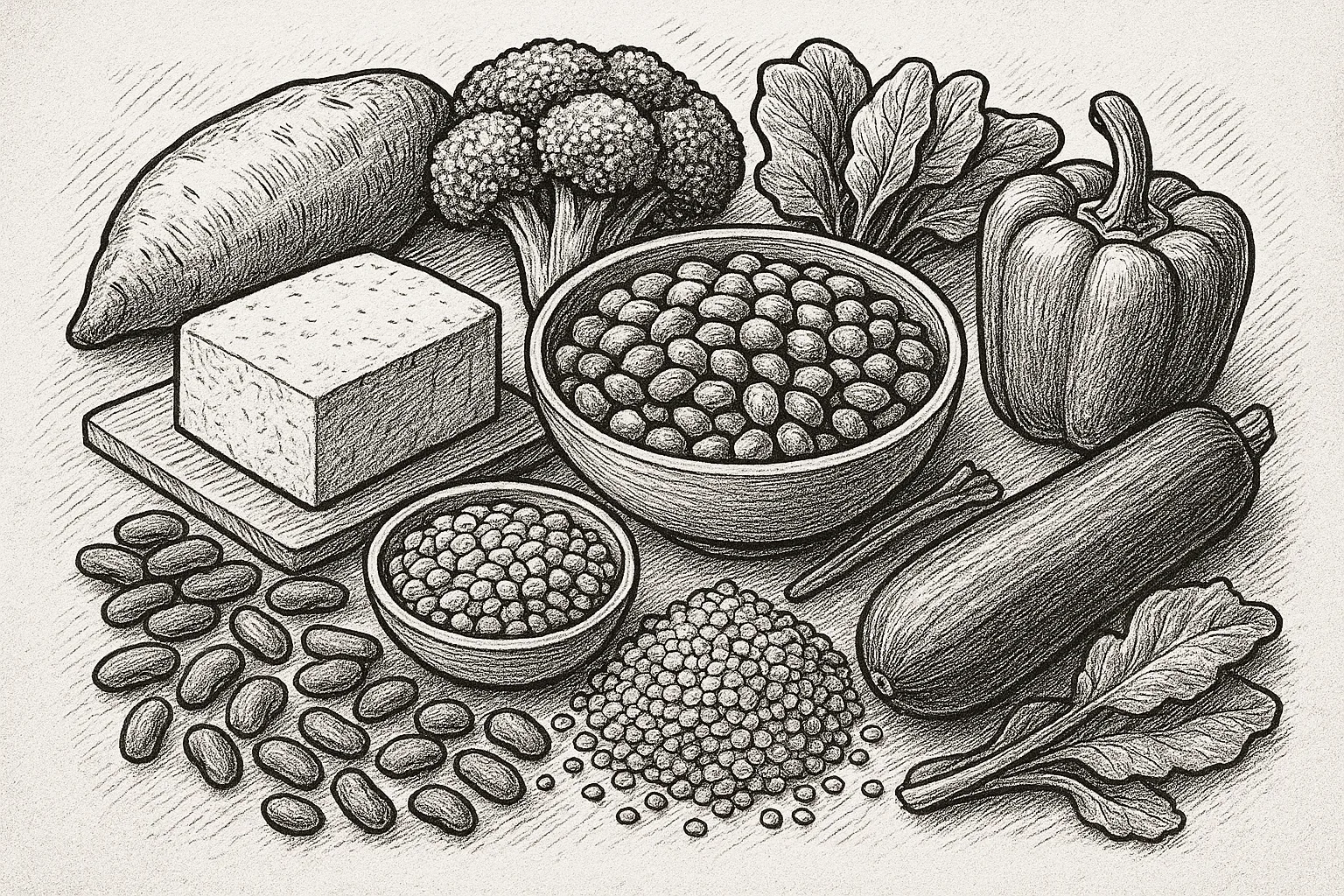
Can You Build Muscle Without High Protein? Understanding Muscle Growth
Building muscle is often linked to consuming high amounts of protein. Many believe that without a diet loaded with protein, muscle growth is impossible. But is that really true? In this article, we’ll explore how muscle development works, whether you can build muscle without a high protein intake, and what sustainable habits can support your fitness journey.
How Does Muscle Growth Happen?
Muscle growth, scientifically known as hypertrophy, occurs when muscle fibres repair and grow stronger following physical stress, such as resistance training or weight lifting. The process involves:
- Stimulus: Challenging your muscles through exercise.
- Repair: Your body repairs muscle fibres during rest.
- Nutrition: Providing the right nutrients to support repair and growth.
Protein plays a role in the repair process since it provides amino acids, the building blocks of muscle tissue. However, muscle growth depends on more than just protein intake.
Can You Build Muscle Without High Protein?
The short answer is yes, but with some important caveats. Muscle growth doesn’t rely solely on consuming very high amounts of protein. Instead, it depends on a balanced approach involving exercise, adequate nutrition, and recovery.
Protein Needs: Quality and Quantity
Protein requirements vary depending on factors like age, gender, activity level, and fitness goals. While athletes and bodybuilders often consume more protein, many adults can build and maintain muscle with moderate protein intake.
- Moderate protein intake: Around 1.2 to 1.6 grams of protein per kilogram of body weight daily is often sufficient for muscle maintenance and growth.
- Variety of protein sources: Whey, casein, soy, and pea proteins are common options. Each has its benefits, such as whey’s fast absorption or casein’s slow digestion, but none is strictly necessary for muscle growth if you get enough protein overall.
For example, vegetarians and vegans can build muscle effectively with plant-based proteins like soy and pea, as long as they consume enough total protein and a variety of sources to get all essential amino acids.
The Role of Other Nutrients
Muscle growth also requires sufficient energy from calories, carbohydrates, and fats. Carbohydrates fuel your workouts and help with recovery, while fats support hormone production related to muscle development.
Practical Tips to Build Muscle Without High Protein Intake
- Focus on progressive resistance training: Challenge your muscles consistently with weight lifting or bodyweight exercises. Progressive overload — gradually increasing the difficulty — is key to stimulating growth.
- Eat balanced meals throughout the day: Aim for moderate protein portions combined with healthy carbohydrates and fats. Spread protein intake evenly to support muscle repair.
- Include a variety of protein sources: Mix dairy (whey, casein), plant-based (soy, pea), legumes, nuts, and whole grains. This improves nutrient diversity and can help meet your amino acid needs without very high protein amounts.
- Don’t neglect carbohydrates and fats: Carbs like whole grains, fruits, and vegetables provide energy, while healthy fats from sources such as olive oil and avocados support overall health.
- Stay hydrated: Water is essential for muscle function and recovery.
- Prioritise rest and recovery: Muscle grows during rest, so get enough sleep and allow recovery days between intense workouts.
- Monitor progress and adjust: Track your strength gains and body changes. If progress stalls, consider small adjustments in nutrition or training intensity.
Common Myths About Protein and Muscle Building
Myth 1: You Need Excessive Protein to Build Muscle
Truth: Consuming very high protein amounts beyond your body’s needs doesn’t speed up muscle growth and may strain your kidneys over time. Moderate intake aligned with your activity level is effective and safer.
Myth 2: Plant Proteins Are Inferior for Muscle Growth
Truth: Plant proteins like soy and pea can support muscle building when consumed in adequate amounts and combined to ensure all essential amino acids.
Myth 3: Protein Timing Is Critical
Truth: While spreading protein intake evenly may be helpful, obsessing over timing (like immediately after a workout) is less important than total daily intake and consistent training.
Summary: Sustainable Muscle Growth Without High Protein
Building muscle without very high protein intake is possible by focusing on balanced nutrition, regular resistance training, and good recovery habits. Moderate protein intake from diverse sources like whey, casein, soy, or pea proteins combined with adequate calories and rest supports muscle repair and growth. Avoid falling for common myths that push extreme protein consumption or rigid timing. Instead, adopt realistic, sustainable habits that fit your lifestyle and preferences.
Remember, the best approach to muscle growth is one you can maintain comfortably over time, promoting overall health and wellbeing.
This article provides general educational information only and is not a substitute for professional medical advice. Always consult a qualified healthcare professional for personal guidance.