
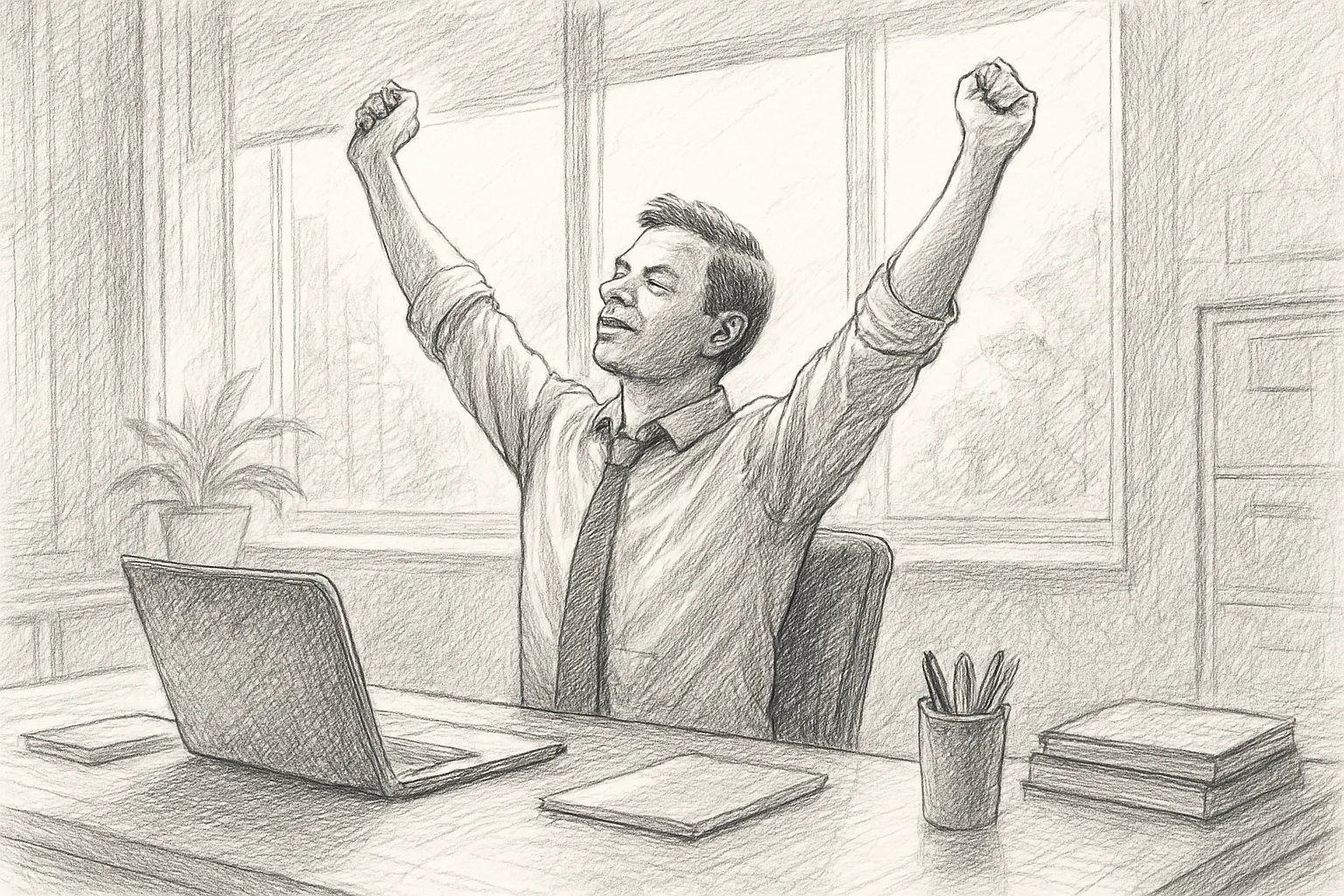
The Benefits of Short Movement Breaks During the Day
In our busy lives, it’s easy to spend hours sitting at a desk, in front of screens, or stuck in one position. This can leave us feeling stiff, tired, and less productive. But did you know that taking short movement breaks throughout the day can have a powerful impact on your health and wellbeing? These small, simple bursts of activity can boost your energy, improve your mood, and even help you focus better.
Why Movement Breaks Matter
Our bodies are designed to move. Sitting for long periods can slow down circulation, reduce muscle activity, and increase feelings of fatigue. Research shows that even brief breaks of physical activity can counteract some of these negative effects. Movement breaks help to:
- Increase blood flow to the brain and muscles, which supports alertness and reduces stiffness.
- Improve posture by encouraging you to change positions and stretch.
- Boost mood through the release of endorphins, often called ‘feel-good’ hormones.
- Enhance focus and productivity by giving your mind a short rest and helping you return refreshed.
Common Myths about Movement Breaks
- Myth: Movement breaks need to be long or intense to be effective. In fact, even 1 to 5 minutes of gentle movement can make a difference.
- Myth: You have to go to the gym or exercise formally. Movement breaks can be as simple as stretching, walking around the room, or doing light household tasks.
- Myth: If I can’t do it perfectly, it’s not worth doing. Any movement is better than none. The key is consistency and making it a habit.
How to Incorporate Short Movement Breaks into Your Day
Starting a new habit can feel tricky, but short movement breaks are simple and adaptable to any schedule. Here are some practical steps to help you get started and stick with it:
1. Set a Timer or Reminder
Use your phone, computer, or a watch to remind you to move every 30 to 60 minutes. These reminders help you remember to pause and get active, even when you’re focused on work.
2. Keep It Simple and Enjoyable
Choose movement that feels good and fits your environment. This could be:
- Walking around your room or office.
- Stretching your arms, legs, neck, and back.
- Doing gentle seated twists or shoulder rolls.
- Marching on the spot or stepping side to side.
3. Use Movement to Break Up Screen Time
Every time you finish a task or before starting a new one, take a short break to move. This helps reduce eye strain and mental fatigue as well.
4. Combine Movement with Other Healthy Habits
Try pairing movement breaks with deep breathing, hydration, or mindfulness. For example, stretch while taking deep breaths or walk to refill your water bottle.
5. Build Gradually
Start with 1-2 minute breaks a few times a day and slowly increase the frequency or duration as it feels comfortable. This helps make the habit sustainable.
Examples of Simple Movement Breaks You Can Try
- Neck circles: Slowly rotate your head in circles to release tension.
- Shoulder shrugs and rolls: Lift your shoulders up towards your ears and then roll them back and down.
- Seated leg lifts: While sitting, lift one leg straight out and hold for a few seconds, then switch.
- Standing toe touches: Stand up and gently bend forward to touch your toes or reach towards them.
- Wall push-ups: Stand arm’s length from a wall and do a few push-ups against it.
- Marching on the spot: Lift your knees and pump your arms as if marching.
Additional Tips for Success
- Make it social: Invite a colleague or friend to join you for movement breaks.
- Change it up: Vary your movements to keep things interesting and engage different muscles.
- Listen to your body: Move gently and avoid any movements that cause pain or discomfort.
- Celebrate small wins: Recognise your efforts to encourage ongoing motivation.
Conclusion
Short movement breaks are a simple, effective way to boost your physical and mental wellbeing throughout the day. By taking just a few minutes every hour to stretch, walk, or move gently, you can reduce stiffness, improve focus, and lift your mood. Remember, it’s not about intense exercise but consistent, enjoyable activity that fits into your lifestyle. Start small, set reminders, and make movement breaks a natural part of your daily routine for lasting benefits.
This article provides general educational information only and is not a substitute for professional medical advice. Always consult a qualified healthcare professional for personal guidance.