
Beginner Tips for Outdoor Fitness Activities
Getting started with outdoor fitness activities is a wonderful way to blend exercise with fresh air, natural scenery, and a mood boost. Whether you’re aiming to walk more, try running, cycling, or simply enjoy outdoor yoga, building sustainable habits from the beginning makes all the difference. Here, we’ll explore practical, beginner-friendly tips to help you enjoy your outdoor fitness journey safely and effectively.
1. Choose Activities that You Enjoy and Fit Your Lifestyle
One of the best ways to stick with outdoor fitness is to pick activities that excite you. If you love nature, hiking or trail walking might be perfect. If you like a bit of structure, outdoor group classes or jogging routes could work well. Don’t feel pressured to jump into intense workouts immediately—starting with gentle, enjoyable activities builds confidence and motivation.
2. Start Slow and Build Gradually
For beginners, it’s important to begin at a comfortable pace and increase intensity or duration step-by-step. For example, if walking, start with 10-15 minutes and add a few minutes each week. This gradual approach lowers injury risk and helps your body adapt to new demands.
3. Dress Appropriately for the Weather and Activity
Wearing the right clothing can make outdoor exercise more pleasant and safe. Layering is key—wear breathable fabrics that wick moisture away from your skin. In cooler weather, add layers you can remove as you warm up. Don’t forget a hat and sunscreen on sunny days, and waterproof gear if rain is likely.
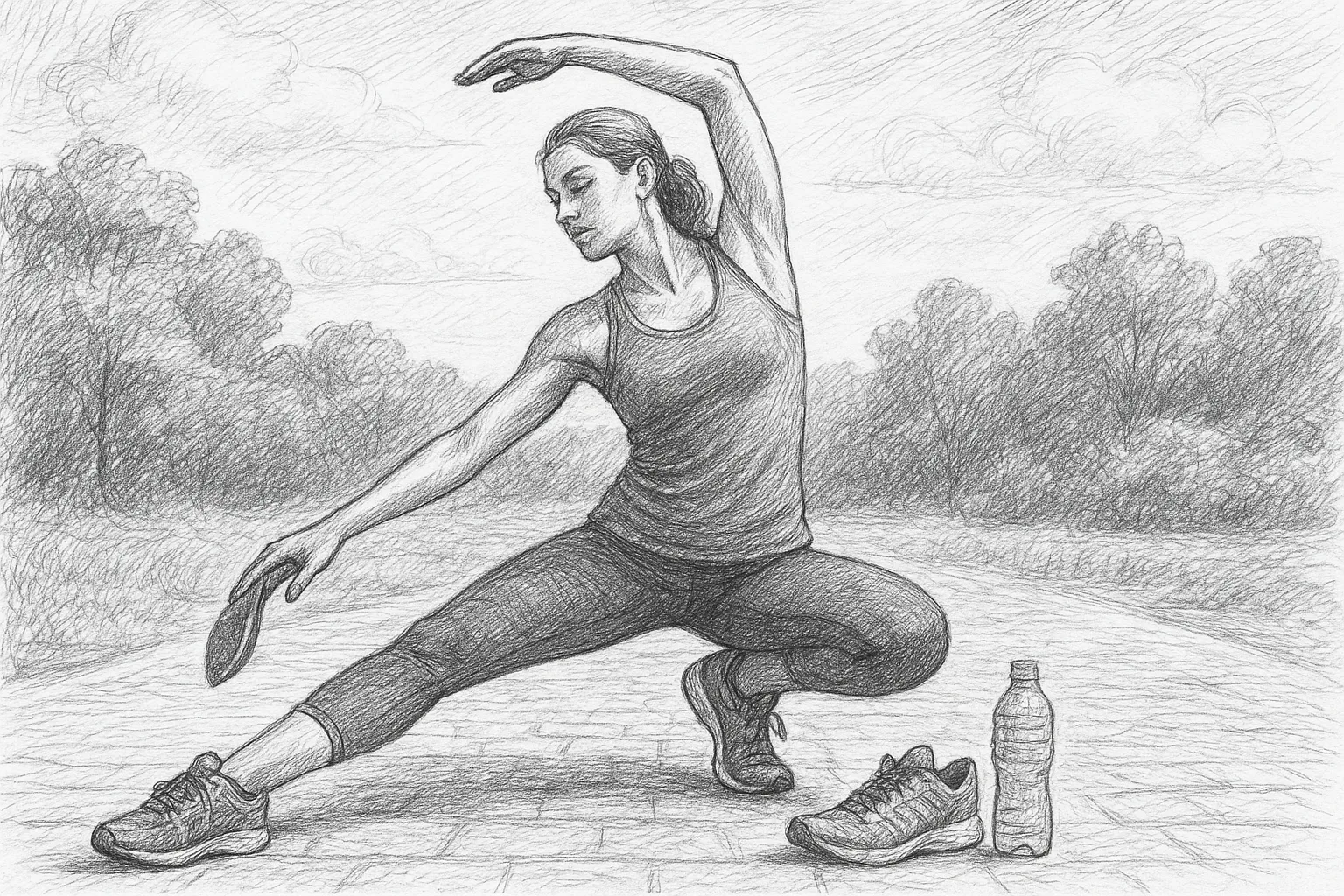
4. Warm Up and Cool Down Outdoors
Warming up prepares your muscles and joints for activity and reduces injury risk. Simple movements like walking at a slower pace or gentle stretches are ideal. After your workout, cool down with light movement and stretching to help your body recover.
5. Stay Hydrated and Nourished
Outdoor activities, especially in warm weather, require good hydration. Carry a water bottle with you and take regular sips. Eating a balanced meal or snack before and after exercise supports energy levels and recovery. Choose whole foods like fruits, nuts, and whole grains for sustained energy.
6. Use Proper Footwear and Equipment
Wearing supportive shoes designed for your chosen activity protects your feet and joints. For example, running shoes for jogging, sturdy boots for hiking, or comfortable trainers for walking. If cycling, always wear a helmet and check your bike’s condition before heading out.
7. Find a Buddy or Join a Group
Exercising with others can boost motivation and make outdoor workouts more enjoyable. Look for local walking or running groups, outdoor yoga classes, or cycling clubs. If you prefer solo time, scheduling regular sessions helps create routine.
8. Pick Safe Locations and Times
Choose outdoor settings that feel safe and accessible—parks, trails, or quiet neighbourhood streets. Avoid poorly lit or isolated areas, especially if exercising alone. If possible, exercise during daylight hours and let someone know your plans.
9. Set Realistic Goals and Celebrate Progress
Set achievable, specific goals such as walking three times a week or completing a 5k run in a few months. Tracking your progress with a journal or app can help maintain motivation. Celebrate small wins—every step counts!
10. Listen to Your Body and Rest When Needed
It’s normal to feel some muscle soreness when starting a new activity, but sharp pain or persistent discomfort are signs to slow down or rest. Rest days are essential for recovery and long-term success. Adjust your routine to suit how you feel.
Common Myths About Outdoor Fitness Activities
- Myth: You need to be fit already to start outdoor exercise. Truth: Everyone starts somewhere. Many outdoor activities can be adapted for all fitness levels.
- Myth: You must exercise for hours to see benefits. Truth: Even short bouts of 10-20 minutes daily improve health and mood.
- Myth: Outdoor workouts are less effective than gym workouts. Truth: Outdoor activities can be just as effective and offer added mental health benefits.
- Myth: You can’t exercise outdoors in bad weather. Truth: With proper clothing and precautions, you can safely enjoy outdoor exercise in various weather conditions.
Conclusion
Starting outdoor fitness activities is an exciting way to improve your health while enjoying nature’s benefits. By selecting enjoyable activities, progressing gradually, dressing appropriately, and listening to your body, you’ll create habits that last. Remember to stay safe, stay hydrated, and celebrate your progress along the way. Outdoor fitness isn’t about perfection—it’s about making movement a joyful, sustainable part of your life.
This article provides general educational information only and is not a substitute for professional medical advice. Always consult a qualified healthcare professional for personal guidance.