
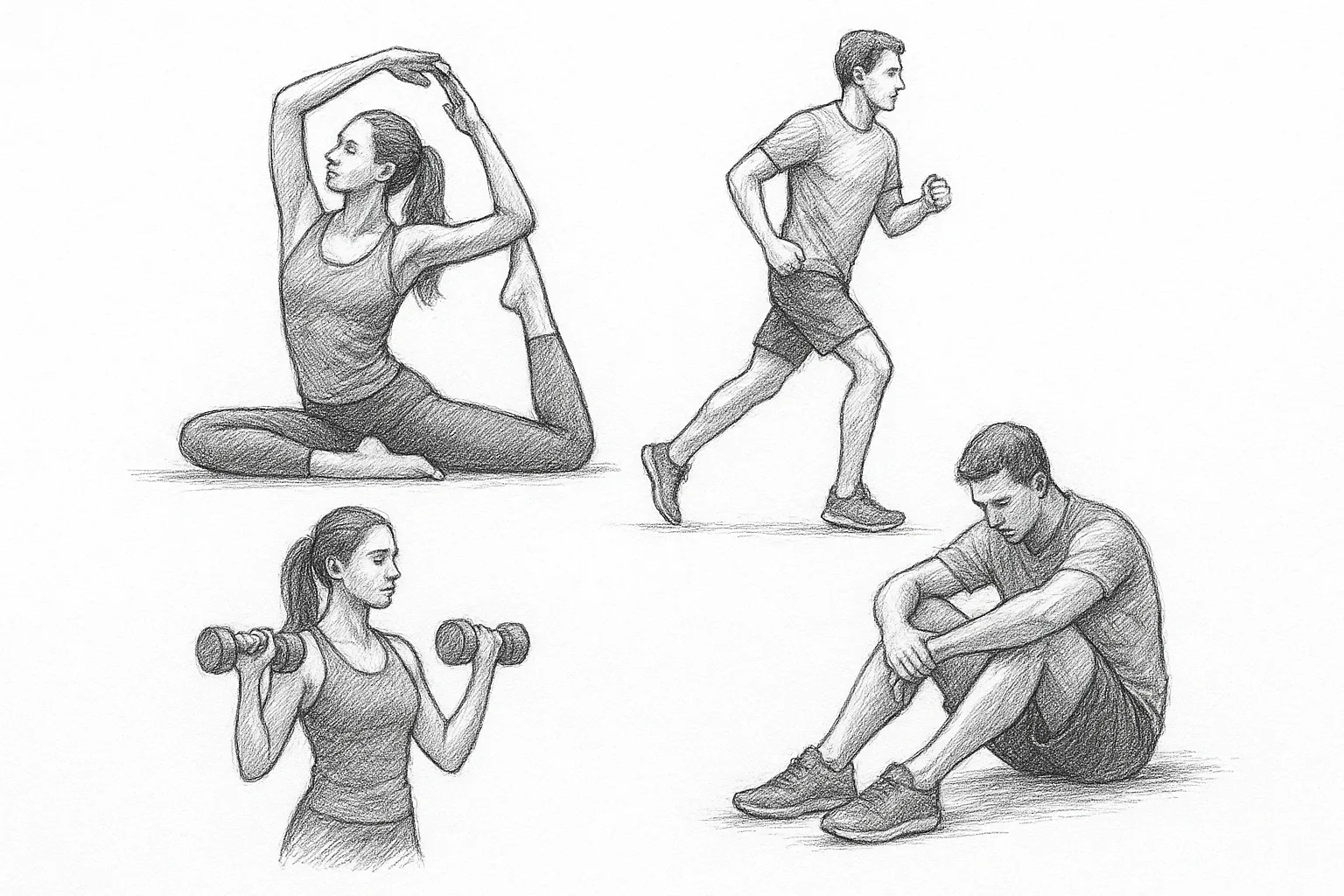
Starting a fitness routine can be exciting, but it’s easy to feel overwhelmed or burnt out if you push too hard too soon. The good news is that fitness doesn’t have to be a source of stress or exhaustion. By adopting sustainable habits and a balanced mindset, you can enjoy physical activity in a way that supports your long-term health and happiness.
Why Does Burnout Happen?
Burnout in fitness often happens when expectations don’t match reality. Maybe you set very high goals, exercise too intensively, or try to change everything at once. Without enough rest or enjoyment, motivation can fade quickly, leading to frustration or even injury.
Understanding burnout helps you avoid it. It’s not about laziness or lack of willpower—it’s about finding a balance that fits your lifestyle and energy.
Step-by-Step Tips to Avoid Burnout
1. Set Realistic and Enjoyable Goals
Rather than aiming for drastic changes, start with small, achievable goals. For example, commit to a 10-minute walk a few times a week or try a beginner-friendly yoga class. Enjoyment is key—choose activities you look forward to instead of those you feel you “should” do.
2. Build Gradually
Increase your activity levels slowly. This allows your body to adapt without excessive fatigue or soreness. Adding a few minutes or a little more intensity each week can help you stay motivated and reduce the risk of injury.
3. Mix It Up
Variety keeps exercise interesting and works different muscle groups. Try combining cardio, strength training, flexibility, and balance exercises throughout your week. This approach prevents boredom and helps your body recover.
4. Prioritise Rest and Recovery
Rest days are just as important as active days. They give your muscles time to repair and your mind a chance to recharge. Listen to your body—if you feel unusually tired or sore, take it easy or enjoy gentle stretching instead.
5. Focus on Consistency, Not Perfection
Fitness is a lifelong journey, not a quick fix. Missing a workout or having an off day doesn’t mean failure. Aim for regular activity over time rather than perfection. Consistency helps build habits that last.
6. Create a Supportive Environment
Find a workout buddy, join a class, or connect with online communities. Having support can boost motivation and make exercise more enjoyable. Share your goals and celebrate progress together.
7. Pay Attention to Nutrition and Hydration
Eating well and staying hydrated support your energy levels and recovery. Balanced meals with a mix of carbohydrates, proteins, and healthy fats help fuel your workouts and daily activities.
8. Track Your Progress Mindfully
Keeping a simple log of your activities can highlight improvements and keep you motivated. However, avoid obsessing over numbers or comparing yourself to others. Focus on how you feel physically and mentally.
Common Myths About Fitness and Burnout
- Myth 1: More Exercise Always Means Better Results. Quality matters more than quantity. Overtraining can lead to burnout and injury.
- Myth 2: You Have to Sweat Heavily to Benefit. Gentle activities like walking or stretching also improve health and wellbeing.
- Myth 3: Burnout Happens Only to People Who Are Not Committed. Burnout can affect anyone, even the most dedicated. It’s a sign to adjust your approach.
- Myth 4: Rest Days Are Wasted Time. Rest is essential for progress and helps prevent burnout.
- Myth 5: You Must Exercise Every Day to Stay Fit. Regular activity is important, but rest days are part of a balanced routine.
Building Sustainable Fitness Habits
To keep fitness enjoyable and avoid burnout, think about your lifestyle and preferences. Here are some practical habits to consider:
- Schedule workouts like appointments: Treat exercise as a priority, but be flexible when needed.
- Celebrate small wins: Completing a session or trying a new activity is progress.
- Use active breaks: Incorporate movement into your day, like stretching or a short walk.
- Be kind to yourself: Accept that some days are harder and that’s okay.
Conclusion
Approaching fitness without burnout is about balance, patience, and listening to your body. By setting realistic goals, building gradually, mixing activities, and prioritising rest, you create a sustainable routine that supports your wellbeing. Remember, fitness is a personal journey—what matters most is finding joy and consistency. With time, these habits become part of a healthy lifestyle that feels rewarding, not overwhelming.
This article provides general educational information only and is not a substitute for professional medical advice. Always consult a qualified healthcare professional for personal guidance.