
Series: History of Solan, Himachal Pradesh, India
Phase 5: Modern Era — Part 22 of 30
This article appears within a continuing historical series that follows the western Himalayas into the modern era. With the end of princely rule and the integration into independent India, long-standing social and political patterns were reconfigured. This phase examines how development, state formation, and memory interact with inherited landscapes, shaping contemporary life while carrying forward echoes of the past.
Smoke on the Hills: Solan’s Dawn of Industry
On a crisp morning in the late 1850s, dense smoke curled over the pine-lined ridges of Solan. The scent was foreign, tinged with fermentation and hope. In the shadow of the Shivaliks, a handful of British engineers and local laborers stood gazing at the freshly painted walls of the Dyer Breweries—the first modern industry in the region. Few realized that these hissing copper vats and humming mills would mark the genesis of Solan’s transformation from a tranquil valley town into the industrial heart of Himachal Pradesh.
Colonial Foundations: The Birth of Solan’s Industry
Solan’s journey as an industrial center began under British colonial rule. The British, seeking respite from the intense plains heat and drawn by Solan’s mild climate, had already established cantonments and summer retreats in the area by the 1840s. Their search for self-sufficiency brought industry to these hills. The foundation stone for the Dyer Breweries (later known as Mohan Meakin) was laid in 1855, with the first barrels of malt and ale rolling out shortly after. The brewery was more than a business—it was a statement that modern manufacturing could thrive, even in the Himalayan foothills.
This was no ordinary endeavor. The British invested heavily in infrastructure, carving roads and laying simple rail tracks to connect Solan with the Kalka-Shimla railway line. Local workers, artisans, and engineers from across North India flocked to Solan, drawn by the promise of steady wages and new opportunities. The brewery soon became a landmark, and Solan’s name was etched onto the lips of British officers and Indian connoisseurs alike.
The Early 20th Century: Seeds of Diversification
By the early 1900s, Solan’s industrial landscape was expanding. The brewery’s success inspired other ventures: fruit processing units, flour mills, and small-scale engineering works. Under the stewardship of Indian entrepreneurs like Narendra Nath Mohan, the brewery diversified its products and weathered the turbulence of both World Wars. The town’s identity shifted as factories sprouted along the town’s periphery, their smokestacks drawing a new skyline. The local bazaar buzzed with traders supplying raw materials and transporting finished goods down serpentine roads to the plains.
Solan’s connectivity improved dramatically with the completion of the Kalka-Shimla Railway in 1903. This engineering marvel, snaking through tunnels and over arched bridges, was a lifeline for industrialists. It brought in machinery and skilled labor, and let Solan’s products reach distant markets. By the 1930s, Solan’s industrial reputation began to rival that of older, larger towns in the region.
Post-Independence Ambitions: New India, New Industry
India’s independence in 1947 marked a watershed for Solan. The new government, eager to foster regional development, identified Solan as a strategic site for industry. Land reforms and new policies encouraged the rise of private industry and public-sector undertakings. The Himachal Pradesh government, led by Chief Minister Dr. Yashwant Singh Parmar—a native of Sirmaur district and a visionary for the region—championed Solan as a model district for industrialization in the new state.
In the 1960s and ’70s, Solan saw the establishment of fertilizer plants, food processing units, and pharmaceutical companies. The Government of Himachal Pradesh set up industrial estates at Chambaghat and other sites, offering incentives like tax holidays and subsidized power. The Industrial Training Institute (ITI) at Solan, established in 1962, began turning out skilled workers to meet the growing demand for technicians and craftsmen.
It was during these decades that Solan earned the nickname “The Mushroom City of India”—not only for its agricultural prowess, but also for the way its industries seemed to spring up overnight.
Rise of Pharmaceuticals: The Baddi-Solan Corridor
The late 20th and early 21st centuries brought a new wave of industrialization, with the pharmaceutical sector at its heart. The government’s decision in the early 2000s to grant tax incentives for industries in Himachal Pradesh triggered an unprecedented influx of investment. The Baddi-Barotiwala-Nalagarh (BBN) corridor, just west of Solan town, became one of Asia’s largest pharmaceutical manufacturing hubs almost overnight.
Global giants like Cipla, Dr. Reddy’s Laboratories, and Sun Pharma set up massive manufacturing plants. The sight of sprawling factories, fleets of trucks loaded with medicines, and thousands of workers in white coats became emblematic of the new Solan. The town’s infrastructure struggled to keep pace—roads widened, housing colonies mushroomed, and educational institutions like Jaypee University of Information Technology and Shoolini University were established to meet the needs of a transformed population.
Impact on Society and Environment
With industry came jobs—tens of thousands of them. Youngsters from remote villages found employment on assembly lines, in research labs, and as supervisors. The ripple effects touched every sector: hospitality, retail, education, and real estate. Yet the boom brought its challenges. Environmental concerns over air and water quality led to stricter regulations. Local leaders, including environmentalist groups and the Solan Municipal Committee, pushed for sustainable practices and better urban planning, striving to balance growth with ecological responsibility.
The People Behind the Machines
Solan’s industrial story is not just about brick and mortar, but about people. From the pioneering British brewers and Indian entrepreneurs of the early 20th century, to the post-independence visionaries like Dr. Parmar, to the thousands of unnamed workers who migrated from Punjab, Haryana, and even distant Bihar, each wave of newcomers left a mark. Women entered the workforce in unprecedented numbers, especially in pharmaceutical units, changing family structures and aspirations across the district.
Stories abound: of local families who traded their orchards for assembly lines, of children who went from village schools to engineering colleges, of social activists who challenged industry to care for the rivers and the hills. Solan’s identity grew more cosmopolitan, even as its heart remained rooted in Himachali traditions.
Modern Solan: Balancing Heritage and Progress
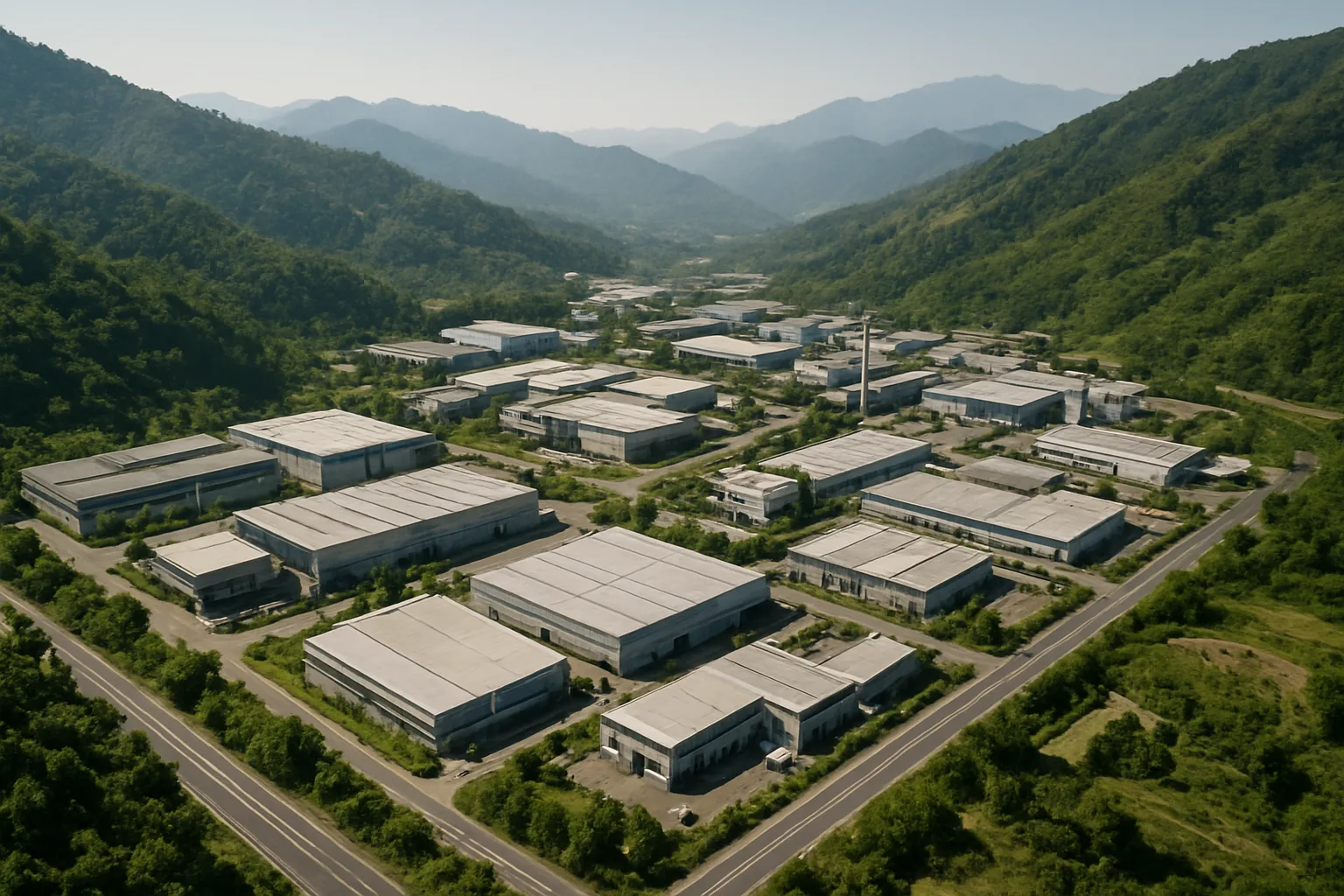
Today, Solan is a living paradox: a town where ancient temples and colonial churches overlook bustling industrial estates; where old bazaars hum alongside state-of-the-art laboratories. The ‘Mushroom City’ now hosts major food processing units, breweries, pharmaceutical giants, and educational hubs. Its population has swelled, and its skyline is studded with the silhouettes of both pine trees and factory chimneys.
The town’s municipal leaders face new challenges—urban congestion, pollution, housing shortages—but also embrace opportunities for sustainable development and inclusive growth. The legacies of the past, from Dyer Breweries’ stone arches to the glass-and-steel campuses of modern universities, coexist in a mosaic that is uniquely Solan’s.
Reflections: A Heritage of Industry and Aspiration
Solan’s emergence as an industrial hub did not happen overnight. It was forged through decades of vision, risk, and perseverance—by colonizers and freedom fighters, by entrepreneurs and workers, by policy-makers and environmentalists. The story of Solan’s industry is also the story of its people, who embraced change while fighting to preserve the spirit of their hills.
Today, as Solan continues to attract investment and talent from across India and beyond, its history offers both a foundation and a challenge. The town’s industrial heritage is not merely a record of factories and production, but a living testament to resilience and adaptation. For every smokestack and new university, there is a memory of the first brewery on the hill, and for every new challenge, an echo of the ambitions that turned a quiet valley into Himachal’s industrial heart. The journey continues, as Solan shapes—and is shaped by—the aspirations of its people and the promise of the future.
Previous: Solan After Independence: Administrative Changes
Next: Why Solan Is Known as the Mushroom City of India