
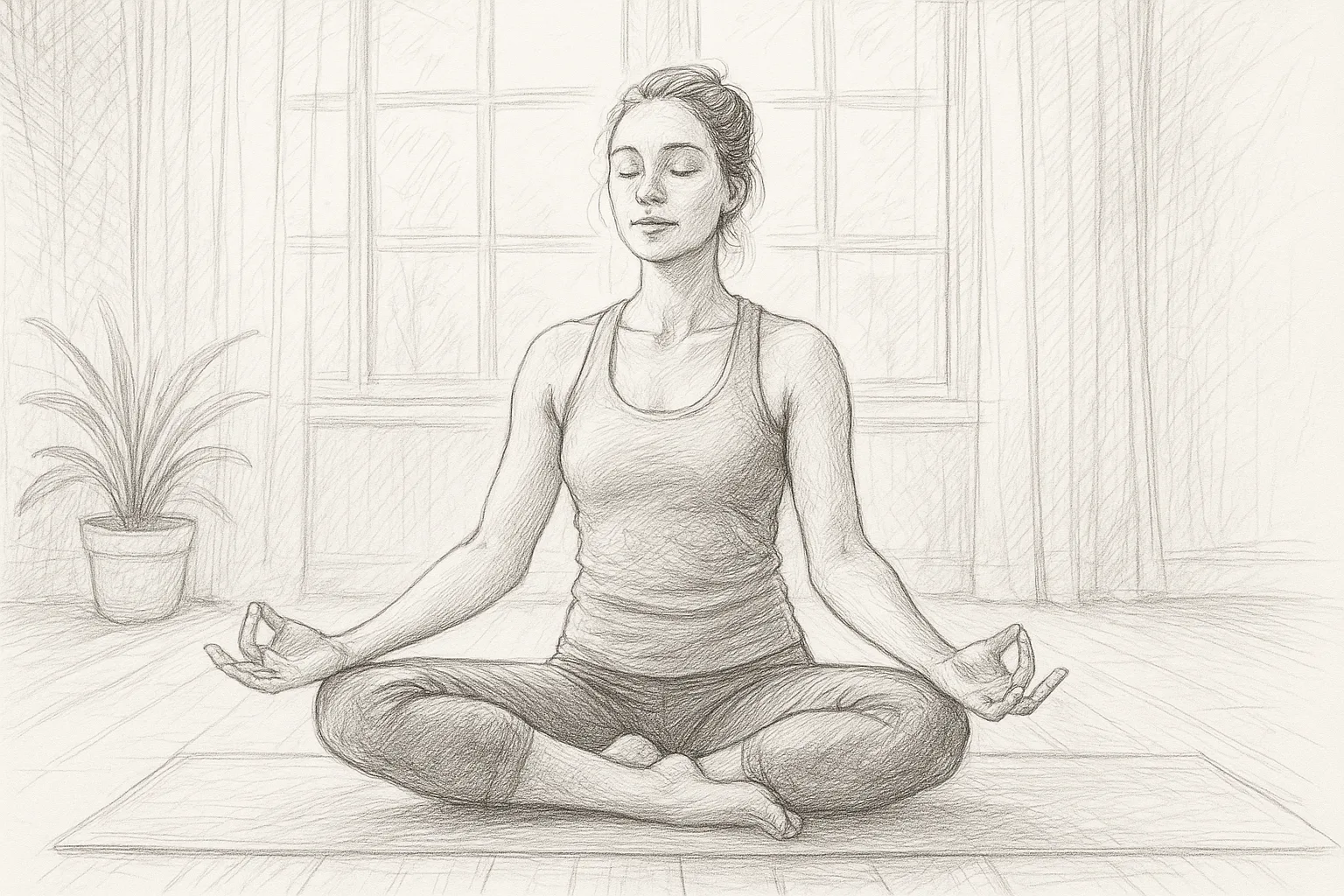
How to Improve Flexibility Without Extreme Stretching
Flexibility is an important aspect of overall health that often gets overlooked. It helps with movement, posture, and can reduce the risk of injuries. Many people think improving flexibility requires intense, painful stretching sessions, but this isn’t the case. You can enhance your flexibility safely and effectively through gentle, sustainable habits that fit easily into your life.
Understanding Flexibility
Flexibility refers to the ability of your muscles and joints to move through their full range of motion. It varies naturally between individuals and can decline with age or inactivity. Improving flexibility isn’t about forcing your body into uncomfortable positions but about gradually encouraging muscles and connective tissues to loosen and move more freely.
Common Myths About Flexibility and Stretching
- Myth 1: You need to stretch hard and long every day. Overstretching can cause muscle strain. Short, gentle sessions are more effective and safer.
- Myth 2: Flexibility is only for dancers or athletes. Everyone benefits from better flexibility, especially for daily activities and reducing stiffness.
- Myth 3: Stretching before exercise prevents injury. While warming up is important, static stretching before exercise may reduce muscle strength temporarily. Dynamic warm-ups are better for preparing the body.
- Myth 4: You’ll get flexible overnight with intense stretching. Flexibility improves gradually with consistent, gentle effort, not sudden extreme movements.
Gentle Ways to Improve Flexibility Without Extreme Stretching
Here are practical steps to enhance your flexibility sustainably and safely.
- Incorporate Dynamic Movement: Instead of holding deep stretches, start your day or exercise with dynamic movements like leg swings, arm circles, or gentle lunges. These warm up muscles and joints while encouraging movement through a comfortable range.
- Move Regularly Throughout the Day: Sitting for long periods tightens muscles. Stand up, walk, or do simple mobility exercises every hour to keep joints lubricated and muscles active.
- Try Yoga or Pilates: Both practices focus on controlled movements, balance, and gentle stretching. They improve flexibility gradually while also building strength and body awareness.
- Use Foam Rolling or Self-Massage: Myofascial release through foam rolling can help relax tight muscles and improve tissue quality, making it easier to move freely.
- Focus on Breathing: Deep, mindful breathing during movement or gentle stretching helps relax muscles and increases oxygen flow, enhancing flexibility gains.
- Practice Consistency Over Intensity: Short, daily sessions of gentle movement or stretching are more effective than occasional intense efforts. Aim for 5-10 minutes of focused flexibility work each day.
- Listen to Your Body: Avoid pushing through pain or discomfort. Flexibility improvements come from gradual progression, not force.
Sample Routine to Improve Flexibility Gently
Here is a simple routine you can try at home or at work. It combines movement and gentle stretching without extremes:
- Cat-Cow Stretch (Spine Mobility): On hands and knees, alternate arching your back towards the ceiling and dipping it towards the floor. Repeat 8-10 times.
- Standing Hip Circles: Stand tall and slowly make circles with one hip, moving through its natural range. Do 10 circles each way per hip.
- Seated Forward Fold (Gentle Hamstring Stretch): Sit with legs extended, hinge at hips, and reach towards your toes without forcing. Hold for 15-20 seconds, repeat 2-3 times.
- Chest Openers: Clasp your hands behind your back and gently lift your arms to open your chest. Hold for 15-20 seconds.
- Neck Mobility: Slowly tilt your head side to side and forward and backward, keeping movements smooth. Repeat 10 times in each direction.
Additional Tips for Sustainable Flexibility
- Stay Hydrated: Proper hydration supports muscle elasticity and joint lubrication.
- Maintain Good Posture: Poor posture can limit flexibility and cause muscle tightness.
- Get Enough Rest: Recovery is important for muscles to adapt and improve flexibility.
- Incorporate Strength Training: Balanced strength around joints supports better movement and reduces injury risks.
Conclusion
Improving flexibility doesn’t require extreme stretching or painful routines. By embracing gentle, consistent movement and paying attention to your body’s signals, you can enhance your range of motion safely and sustainably. Incorporate dynamic movements, mindful breathing, and simple habits into your daily life. Remember, flexibility is a journey that benefits your overall wellbeing and helps you move comfortably every day.
This article provides general educational information only and is not a substitute for professional medical advice. Always consult a qualified healthcare professional for personal guidance.