
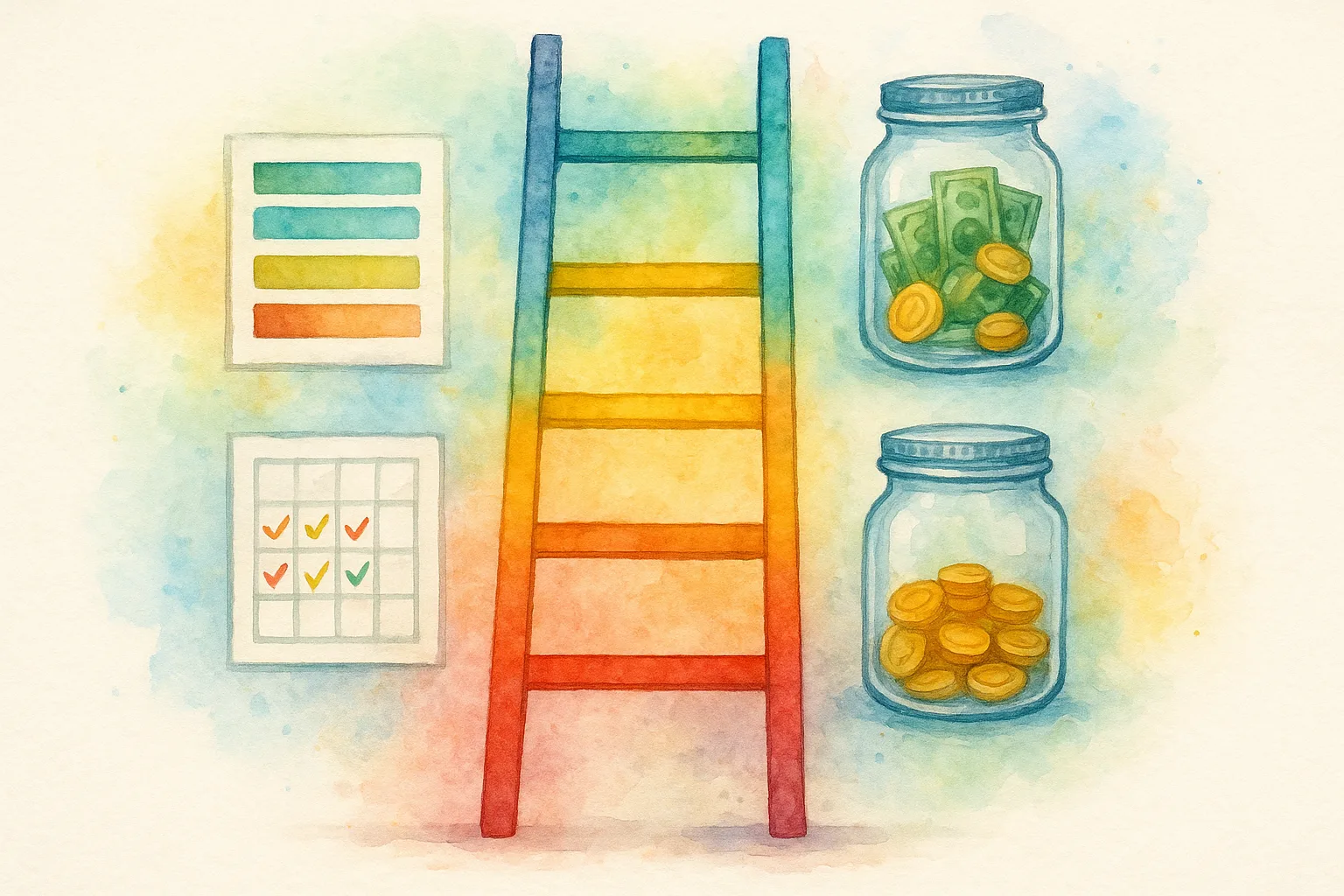
Series: Finance for Kids
Phase 11: Investing & Goals — Part 129 of 166
Understanding Goals
Goals are things we want to achieve. They can be big, like saving for a new bike, or small, like finishing a book. Teaching kids how to set and achieve goals helps them develop important life skills. One of the best ways to reach a big goal is to break it down into smaller, easier steps.
Why Break Goals Down?
Breaking big goals into smaller steps makes them feel less overwhelming. It allows kids to focus on one thing at a time and see their progress as they complete each step. This can build their confidence and motivate them to keep going.
Steps to Break Down Goals
Here’s a simple way to help kids break down their big goals:
1. Identify the Big Goal
The first step is to decide what the big goal is. Ask questions like:
- What do you want to achieve?
- Why is this goal important to you?
For example, if a child wants to save for a new video game console, write that down as the big goal.
2. Set a Timeline
Next, decide when you want to achieve this goal. Having a timeline gives a sense of urgency and helps plan the steps. For instance, if the child wants to buy the console in six months, they can plan accordingly.
3. Break It Into Smaller Steps
Now, it’s time to break the big goal into smaller, manageable steps. For saving for the console, the steps might include:
- Decide how much money is needed.
- Determine how much money can be saved each week or month.
- Create a savings jar or account to keep track of saved money.
- Look for ways to earn extra money, like doing chores or selling old toys.
4. Create a Plan
Once the steps are clear, make a plan. Use a chart or a list to keep track of progress. This could be a simple chart where kids can put a sticker or check off each step as they complete it.
5. Celebrate Small Wins
As kids complete their steps, it’s important to celebrate. This could be as simple as saying, “Great job!” or having a small treat. Celebrating helps keep motivation high and makes the process more enjoyable.
Every Day Examples
Let’s look at a couple of everyday examples to illustrate how this might work:
- Example 1: A child wants to read a new book series. Instead of thinking about reading all the books, they can set a goal to read one chapter a week. This makes reading feel more manageable and achievable.
- Example 2: A child is interested in learning to cook. Instead of trying to cook a full meal right away, they could start with learning how to make a simple dish, like scrambled eggs. Once they feel confident, they can move on to more complex recipes.
Common Myths About Goal Setting
There are some myths about goal setting that can make it confusing for kids. Here are a few to clear up:
- Myth 1: Goals have to be big to be important. Truth: Small goals are just as important. They help build confidence and lead to bigger achievements.
- Myth 2: You have to do everything perfectly. Truth: It’s okay to make mistakes. Learning from them is part of the process.
- Myth 3: You can’t change your goals once you set them. Truth: Goals can be adjusted as you learn and grow. Flexibility is key.
Conclusion
Teaching children how to break large goals into small steps can empower them to pursue their dreams with confidence. By guiding them through the process, celebrating their achievements, and dispelling common myths, you can help them develop important skills that will last a lifetime.
This article provides general educational information only and is not financial advice. Always seek guidance from a qualified professional for personal financial decisions.
Previous: Using Vision Boards to Teach Kids About Money Goals
Next: How to Encourage Kids to Stick to Their Savings Plan