
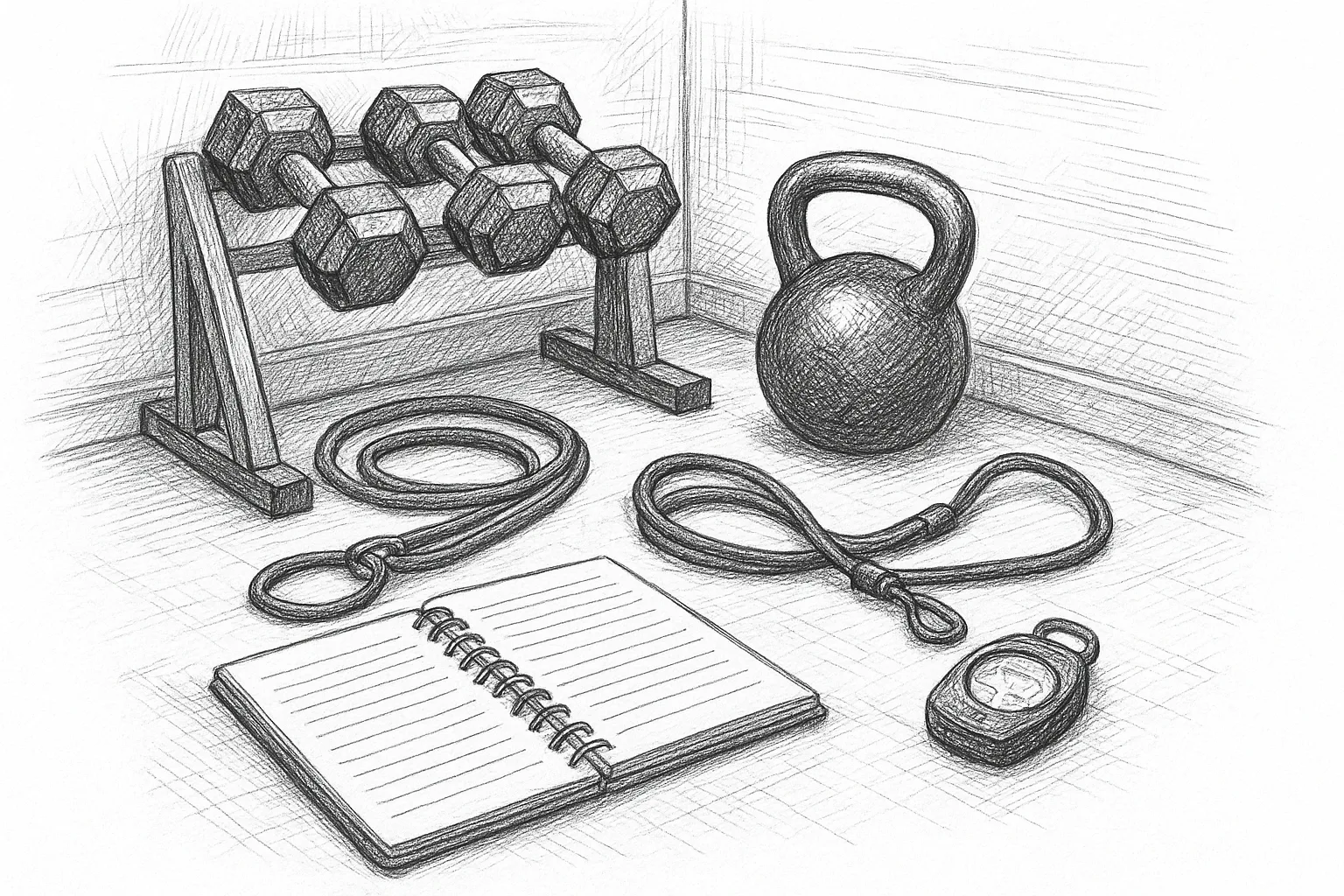
Strength Training Routines for Busy People: Practical Tips to Stay Strong
Finding time for strength training can feel like a challenge when life is busy. Between work, family, and other commitments, it’s easy to put exercise last on the list. Yet, building strength is crucial for overall health, boosting metabolism, improving posture, and enhancing mental wellbeing. The good news? You don’t need hours in the gym to make meaningful gains. With the right approach, busy people can enjoy effective strength training routines that fit neatly into their day.
Why Strength Training Matters, Even When Time is Limited
Strength training isn’t just for athletes or bodybuilders. It benefits everyone by:
- Increasing muscle mass and bone density, which supports mobility and reduces injury risk.
- Enhancing metabolism to help manage weight.
- Improving balance and coordination, especially important as we age.
- Boosting mood and mental clarity through beneficial hormonal effects.
Short, focused sessions can still deliver these benefits, proving that quality beats quantity.
Step-by-Step Guide to Strength Training for Busy People
1. Prioritise Consistency Over Duration
Rather than aiming for long workouts, focus on doing shorter sessions regularly. Even 15–20 minutes, three times a week, can make a significant difference.
2. Choose Compound Movements
Compound exercises work multiple muscle groups at once, making your workout more efficient. Examples include:
- Squats
- Push-ups
- Deadlifts
- Rows
- Planks
These moves give you more bang for your buck, helping you build strength faster.
3. Use Bodyweight or Minimal Equipment
You don’t need fancy gym equipment. Bodyweight exercises are highly effective and can be done anywhere. Alternatively, resistance bands or dumbbells are compact and affordable options to add variety.
4. Warm Up Efficiently
Spend 3–5 minutes warming up with light cardio or dynamic stretches to prepare your muscles and reduce injury risk.
5. Structure Your Routine
A simple routine might look like this:
- Warm-up: 3 minutes (e.g., brisk walking or marching in place)
- Strength circuit (repeat 2–3 times):
-
- 10 squats
- 10 push-ups (modify on knees if needed)
- 10 bent-over rows (with dumbbells or resistance bands)
- 30-second plank
- Cool down: 3 minutes of stretching
6. Progress Gradually
As exercises get easier, increase challenges by adding reps, sets, or weight. Gradual progress keeps the muscles adapting without overwhelming your schedule.
7. Incorporate Strength into Daily Life
If formal workouts feel too time-consuming some days, sneak strength moves into your routine. For example:
- Do wall sits while brushing your teeth.
- Use stairs instead of lifts.
- Perform calf raises during TV adverts.
These small moments add up over time.
Common Myths About Strength Training and Busy Schedules
Myth 1: You Need Hours at the Gym to See Results
Reality: Short, focused sessions are effective. Consistency and quality of movement matter more than workout length.
Myth 2: Strength Training Will Make You Bulky
Reality: Building large muscle mass requires specific nutrition and training. Most people will develop lean, toned muscles without bulk.
Myth 3: You Have to Lift Heavy Weights
Reality: Bodyweight exercises and lighter resistance can build strength and improve health, especially for beginners or those short on time.
Myth 4: If You’re Busy, You Can’t Make it a Habit
Reality: Habit-building is about small, manageable actions. Even brief routines performed regularly can become a sustainable habit.
Tips to Stay Motivated When Time is Tight
- Set realistic goals: Focus on progress, not perfection.
- Schedule workouts: Treat them like important appointments.
- Find a workout buddy: Sharing the journey can boost accountability.
- Mix it up: Vary exercises to keep things interesting.
- Celebrate small wins: Recognise improvements, no matter how minor.
Sample Weekly Routine for Busy People
Here’s a simple example to fit into a busy week. Adjust based on your personal schedule and fitness level.
- Monday: 20-minute full-body circuit (bodyweight squats, push-ups, rows, planks)
- Wednesday: 15-minute resistance band workout focusing on upper and lower body
- Friday: 20-minute mixed routine with dumbbells or bodyweight
- Optional weekend: Light activity like walking, yoga, or stretching to aid recovery
Remember, even one short session is better than none. The key is to keep moving consistently.
Final Thoughts
Strength training routines for busy people don’t have to be complicated or time-consuming. By focusing on efficient exercises, prioritising consistency, and busting common myths, you can build strength sustainably within your lifestyle. Small, regular steps are the secret to lasting health benefits. Start where you are, use what you have, and keep it simple. Your body and mind will thank you for it.
This article provides general educational information only and is not a substitute for professional medical advice. Always consult a qualified healthcare professional for personal guidance.