
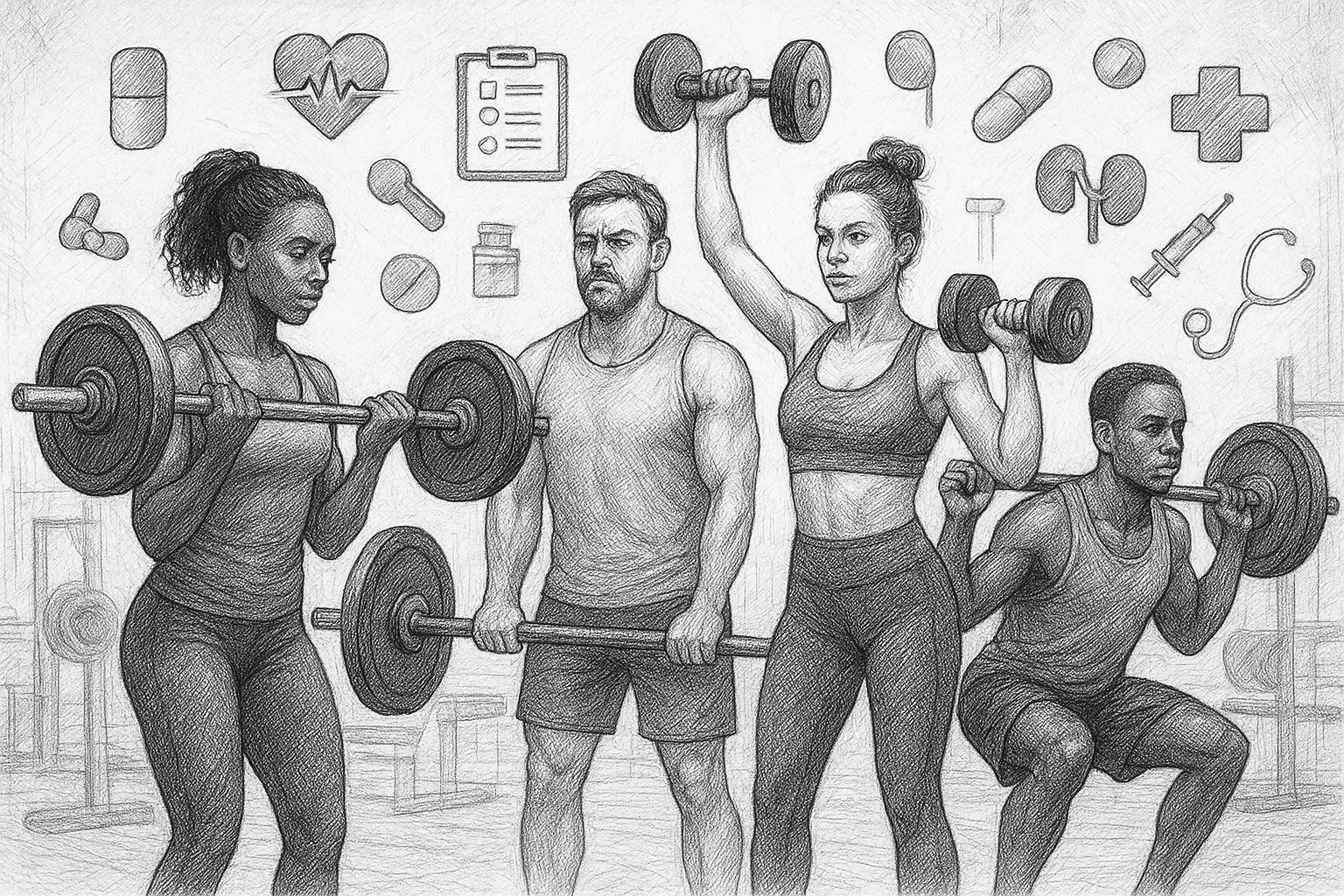
Why Strength Training Is Important for Long-Term Health
When we think about exercise, many of us picture jogging, cycling, or yoga. While these activities are wonderful for cardiovascular health and flexibility, there’s one form of exercise that often doesn’t get the spotlight it deserves: strength training. Yet, strength training plays a crucial role in maintaining long-term health, vitality, and wellbeing at every stage of life. In this article, we’ll explore why strength training matters, debunk common myths, and share simple, sustainable ways to incorporate it into your routine.
What Is Strength Training?
Strength training, also known as resistance training, involves exercises that make your muscles work against a force. This can include lifting weights, using resistance bands, body-weight exercises like squats or push-ups, or even carrying heavy groceries. The goal is to challenge your muscles, helping them become stronger and more resilient over time.
The Long-Term Health Benefits of Strength Training
Strength training offers many benefits that go beyond building muscle. Here are some key reasons it’s so important for your long-term health:
- Maintains muscle mass and strength: As we age, muscle mass naturally declines—a process called sarcopenia. Strength training helps slow this loss, keeping you strong and independent.
- Supports bone health: Resistance exercises increase bone density, reducing the risk of osteoporosis and fractures.
- Improves metabolism and weight management: Muscle tissue burns more calories at rest than fat, so having more muscle can help maintain a healthy weight over time.
- Enhances balance and coordination: Stronger muscles contribute to better balance, reducing the risk of falls—especially important as we get older.
- Boosts mental wellbeing: Strength training has been linked to improved mood and reduced symptoms of anxiety and depression.
- Supports heart health: Some studies suggest that strength training can improve blood pressure and cholesterol levels.
Getting Started With Strength Training: Practical Tips
You don’t need a gym membership or fancy equipment to start strength training. Here’s how to build a sustainable routine:
- Start with body-weight exercises: Simple moves like squats, lunges, push-ups, and planks use your body weight for resistance and are effective for building strength.
- Use resistance bands or light weights: These are affordable and versatile tools that add extra challenge as you progress.
- Focus on major muscle groups: Include exercises for your legs, back, chest, arms, and core to maintain balanced strength.
- Schedule regular sessions: Aim for two to three strength training sessions per week, allowing a day or two for muscle recovery.
- Progress gradually: Increase the difficulty by adding more repetitions, sets, or resistance as you get stronger.
- Prioritise good form: Proper technique helps prevent injury and maximises benefits. Consider watching tutorials or consulting a trainer for guidance.
- Make it enjoyable: Choose exercises you like and mix things up to stay motivated over time.
Common Myths About Strength Training
Many people hesitate to try strength training because of misconceptions. Let’s clear up a few common myths:
- Myth: Strength training will make women bulky. In reality, women generally do not produce enough of the hormones needed to build large muscles. Strength training helps tone muscles, improve shape, and boost metabolism without bulkiness.
- Myth: You need heavy weights to benefit. While lifting heavier can build more strength, lighter weights or resistance bands with higher repetitions are also effective—especially for beginners or older adults.
- Myth: Strength training is only for young people. People of all ages can safely benefit from strength training. Older adults, in particular, gain important protection against muscle loss and falls.
- Myth: Cardio alone is enough for health. Cardiovascular exercise is vital, but combining it with strength training offers the most comprehensive benefits for heart health, bone strength, and muscle maintenance.
Tips for Staying Consistent
Building strength training into your lifestyle can feel challenging at first, but these habits can help you stick with it:
- Set realistic goals: Start with achievable targets, such as two sessions per week, and celebrate progress no matter how small.
- Schedule workouts: Treat exercise times like important appointments to boost commitment.
- Find a buddy: Exercising with a friend can increase motivation and make sessions more enjoyable.
- Track your progress: Keep a journal or use an app to record exercises and improvements.
- Listen to your body: Rest when needed and modify exercises if you experience discomfort.
- Mix strength training with other activities: Balance your routine with cardio, flexibility, and relaxation exercises for overall wellbeing.
Conclusion
Strength training is a powerful tool for supporting long-term health. Beyond just building muscle, it helps maintain bone density, boost metabolism, improve balance, and support mental wellbeing. By starting with simple exercises, progressing gradually, and dispelling common myths, you can create a sustainable strength training habit that benefits you for years to come. Remember, it’s never too late to begin, and every bit of strength you build contributes to a healthier, more resilient you.
This article provides general educational information only and is not a substitute for professional medical advice. Always consult a qualified healthcare professional for personal guidance.