
Series: Finance for Kids
Phase 10: Giving & Values — Part 118 of 166
Teaching Kids the Impact of Small Donations
Teaching children about money is essential, but it’s equally important to teach them about giving. Small donations can have a big impact on the world around us, and by instilling the value of giving in our children, we can help them grow into compassionate and responsible adults. In this article, we will explore how to teach kids about the importance of small donations and the positive effects they can create.
Why Small Donations Matter
Small donations might seem insignificant at first, but they can add up to make a substantial difference. Here are a few reasons why small donations matter:
- Collective Impact: When many people give small amounts, they can raise a large sum to help those in need.
- Teaching Empathy: Donating helps children understand the importance of helping others and can foster a sense of empathy.
- Encouraging Good Habits: Regularly giving, even in small amounts, can help children develop a habit of generosity.
Step-by-Step Tips to Teach Kids About Giving
Here are some practical steps you can take to teach your kids about the impact of small donations:
1. Start with Conversations
Begin by having open conversations about money and giving. Share stories about how small donations have helped people or communities. Discuss causes that matter to your family and why helping others is important.
2. Set a Giving Goal
Encourage your child to set a small giving goal. This could be a specific amount they want to donate each month or a target for a particular cause, like helping animals or supporting local charities. Having a goal can motivate children to contribute.
3. Create a Donation Jar
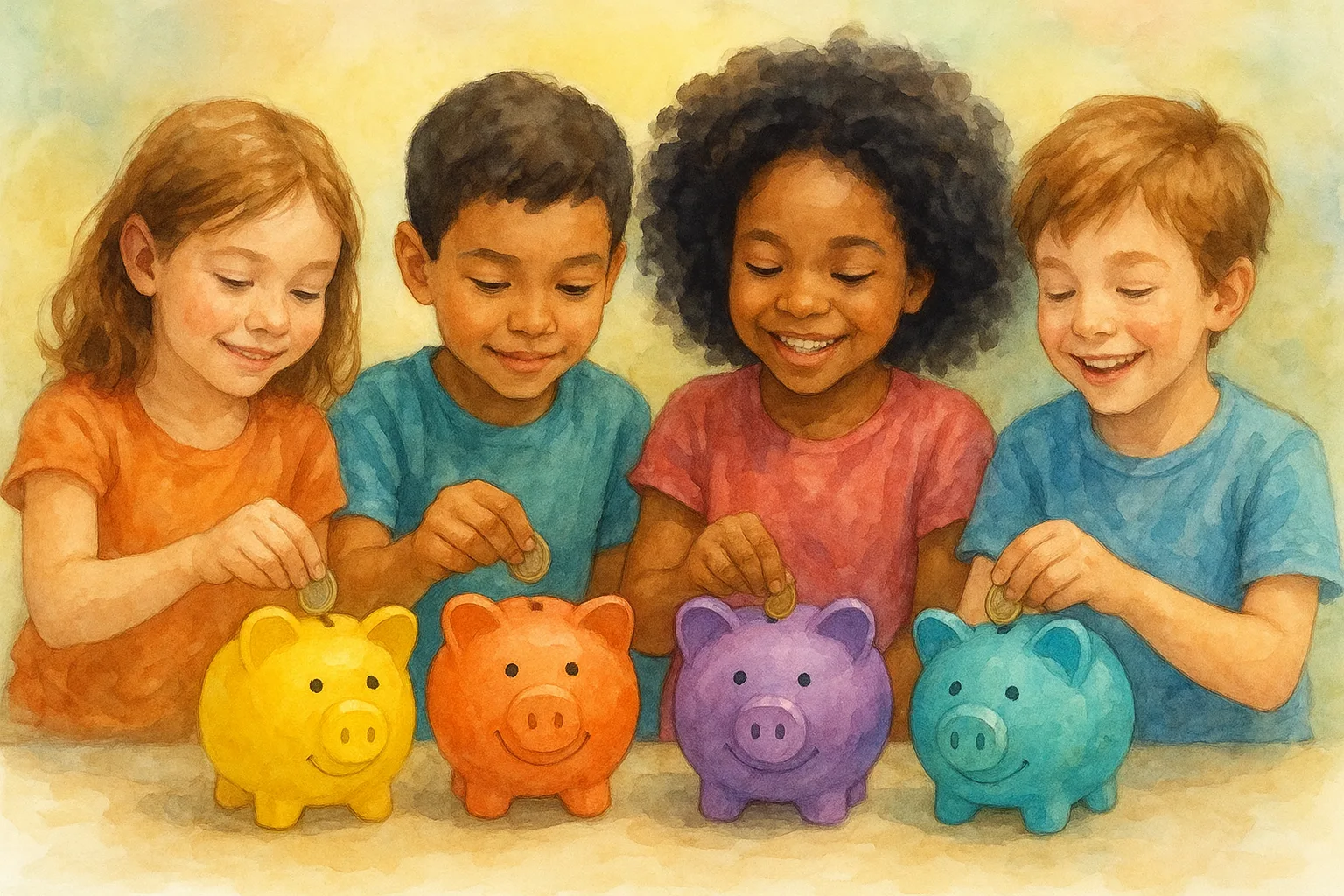
Make donating fun by creating a donation jar. Every time your child receives pocket money or earns money, ask them to set aside a small portion for donations. This visual representation of their giving can be very motivating.
4. Research Together
Help your child research different charities or causes. This will help them understand where their money is going and the difference it can make. Encourage them to read about the impact of donations and even watch videos or documentaries.
5. Involve Them in the Process
Involve your child in the decision-making process. Let them choose which charity or cause they want to support. This will give them a sense of ownership and responsibility for their donation.
6. Celebrate Giving
Once your child makes a donation, celebrate their achievement! Acknowledge the impact of their contribution and discuss how it can help others. This positive reinforcement will encourage them to continue giving in the future.
Myths About Donations
There are some common myths that can discourage giving. Let’s debunk a few of them:
- Myth 1: You have to donate a lot to make a difference. Reality: Even small donations can add up and create significant change when combined with others.
- Myth 2: Donations only help people in faraway places. Reality: Many local charities and community projects need support and can benefit from small donations.
- Myth 3: Kids can’t make a difference. Reality: Kids can have a powerful impact through their actions and can inspire others to give as well.
Conclusion
Teaching kids about small donations is a wonderful way to nurture compassion and a sense of community. By guiding them through the process of giving, you can help them understand the importance of supporting others. Small acts of kindness can lead to big changes, and your child can be part of that journey.
This article provides general educational information only and is not financial advice. Always seek guidance from a qualified professional for personal financial decisions.
Previous: Creating a Family Giving Jar
Next: How to Teach Kids About Volunteerism and Non-Monetary Giving