
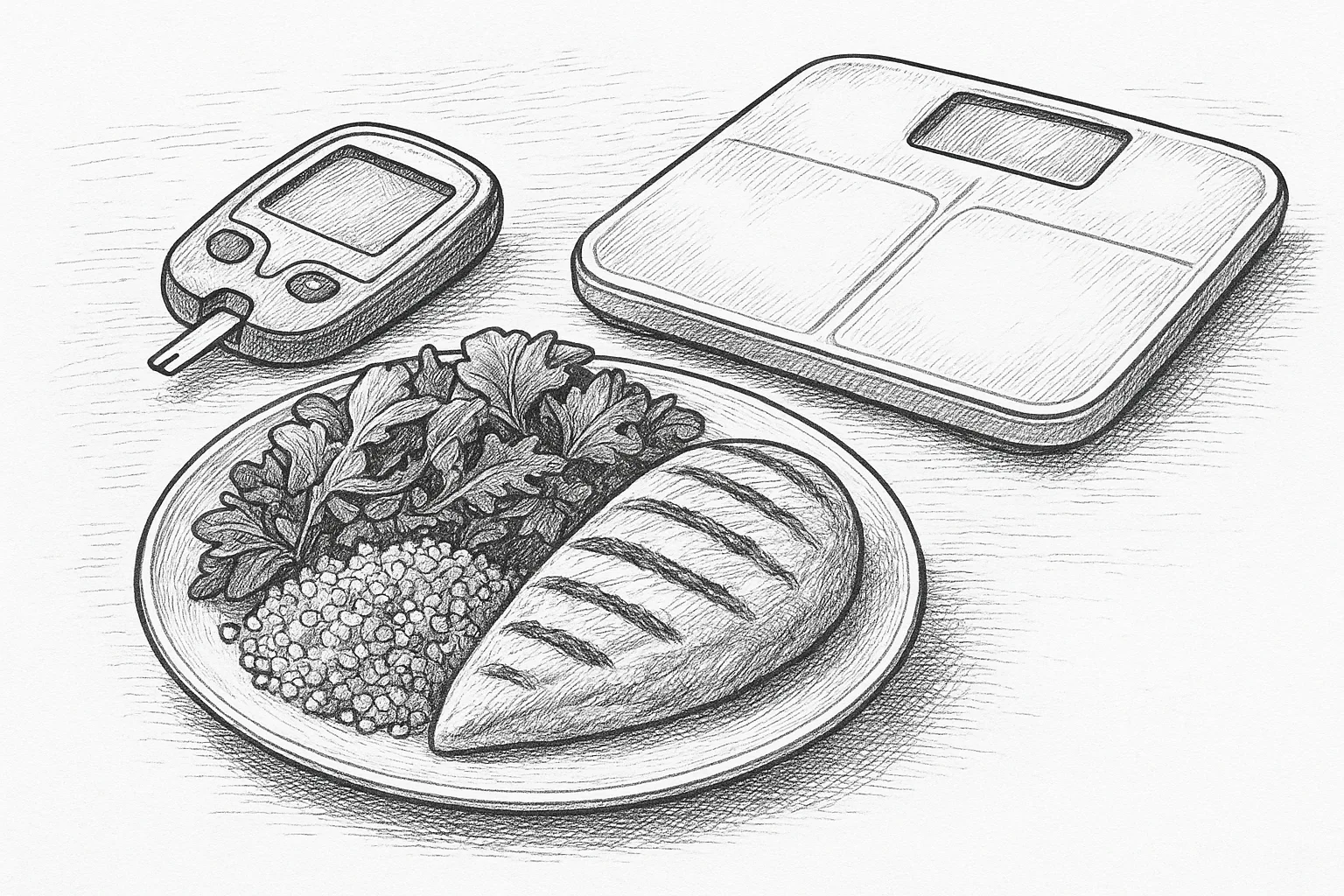
Protein and Blood Sugar Stability During Weight Loss
When it comes to losing weight, many people focus on cutting calories or carbs, but one nutrient that often gets overlooked is protein. Protein plays a crucial role not only in supporting muscle health but also in helping to keep blood sugar levels steady. Stable blood sugar can make your weight loss journey smoother by reducing hunger, preventing energy crashes, and supporting overall wellbeing.
Why Does Blood Sugar Stability Matter?
Blood sugar (glucose) is the body’s main source of energy. After eating, your blood sugar rises, prompting the release of insulin to help cells absorb glucose. If blood sugar spikes and then rapidly drops, it can lead to feelings of hunger, cravings, and fatigue. These swings can make sticking to a healthy eating plan more challenging and may contribute to overeating.
Keeping blood sugar stable means avoiding those sharp spikes and dips. This balance supports steady energy levels and helps control appetite, both important for sustainable weight loss.
How Protein Helps Keep Blood Sugar Stable
Protein is digested more slowly than carbohydrates, meaning it doesn’t cause rapid increases in blood sugar. Including protein in your meals and snacks slows digestion and the release of glucose into your bloodstream. Here’s how protein supports blood sugar stability:
- Slower digestion: Protein-rich foods take longer to break down, leading to a gradual release of energy.
- Increased satiety: Protein helps you feel fuller for longer, reducing the urge to snack on high-sugar foods.
- Supports muscle mass: Maintaining lean muscle during weight loss helps regulate metabolism and insulin sensitivity.
Comparing Different Protein Sources for Blood Sugar Control
Not all proteins are created equal when it comes to blood sugar stability. Here’s a look at some common protein sources:
- Whey Protein: A fast-digesting protein found in dairy, whey can quickly provide amino acids to muscles. It also has been shown to help reduce blood sugar spikes after meals, making it a good option for post-workout or as a snack.
- Casein Protein: Another dairy protein, casein digests slowly, releasing amino acids over several hours. This sustained release can help maintain steady blood sugar and keep hunger at bay, especially when eaten before bed.
- Soy Protein: A plant-based protein with a moderate digestion rate. Soy contains isoflavones which may have additional benefits for blood sugar regulation. It’s a good alternative for those avoiding dairy.
- Pea Protein: Also plant-based and hypoallergenic, pea protein digests slowly and is rich in branched-chain amino acids (BCAAs), supporting muscle health and blood sugar balance.
Choosing a variety of protein sources can provide a balanced range of digestion rates and nutrients, helping you feel satisfied and maintain blood sugar control throughout the day.
Practical Tips to Use Protein for Blood Sugar Stability During Weight Loss
- Include protein with every meal and snack. Aim for a source of protein such as eggs, yogurt, beans, or a handful of nuts to balance carbohydrates and reduce blood sugar spikes.
- Choose whole food proteins when possible. Foods like chicken, fish, lentils, and tofu offer protein along with fibre and other nutrients that support blood sugar control.
- Consider timing your protein intake. Having a slow-digesting protein like casein in the evening can help keep blood sugar steady overnight.
- Mix protein types. Combining fast- and slow-digesting proteins (like whey and casein) can provide immediate and sustained amino acid delivery.
- Balance your plate. Pair proteins with fibre-rich vegetables and healthy fats to further slow digestion and stabilise blood sugar.
- Stay hydrated. Drinking water supports metabolism and helps your body process nutrients efficiently.
- Monitor your responses. Notice how different protein sources affect your hunger and energy levels and adjust accordingly.
Common Myths About Protein and Blood Sugar
- Myth: “More protein means more weight loss.” While protein supports weight loss, excessive amounts don’t automatically lead to faster results. Balance and overall calorie intake matter most.
- Myth: “All protein spikes blood sugar.” Protein generally causes little or no blood sugar spike compared to carbohydrates.
- Myth: “Only animal protein stabilises blood sugar.” Plant proteins like soy and pea also support blood sugar stability and offer additional benefits like fibre.
- Myth: “Protein shakes are the best way to control blood sugar.” Whole foods are often more satisfying and nutrient-rich, but protein shakes can be convenient when chosen wisely.
Building Sustainable Habits for Long-Term Success
Focusing on protein for blood sugar control is a helpful part of weight loss, but it’s important to build habits you can maintain long-term. Here are some gentle strategies:
- Start by adding a protein source to one meal or snack each day, then gradually increase.
- Explore different protein foods to find what you enjoy and tolerate well.
- Plan meals ahead to include balanced protein and fibre-rich vegetables.
- Listen to your body’s hunger and fullness signals rather than relying solely on rules.
- Remember that weight loss is a journey, and consistency over time is key.
Conclusion
Protein plays an essential role in helping to keep blood sugar levels stable during weight loss, which can improve energy, reduce cravings, and support sustainable habits. Including a variety of protein sources like whey, casein, soy, and pea protein throughout your day can provide a steady supply of nutrients that work alongside fibre and healthy fats to balance blood sugar. By adopting practical, realistic strategies and busting common myths, you can create a balanced approach that supports your weight loss goals and overall wellbeing.
This article provides general educational information only and is not a substitute for professional medical advice. Always consult a qualified healthcare professional for personal guidance.