
Complete vs Incomplete Proteins: What Fitness Enthusiasts Should Know
Protein is a cornerstone of any fitness journey. Whether you’re building muscle, recovering from workouts, or simply aiming to maintain a healthy lifestyle, understanding protein quality can help you make smarter food choices. In particular, knowing the difference between complete and incomplete proteins is key to meeting your body’s needs sustainably.
What Are Proteins and Why Do They Matter?
Proteins are made up of amino acids, often called the building blocks of life. Your body uses these amino acids to repair tissues, produce enzymes and hormones, and support immune function. For fitness enthusiasts, protein is crucial for muscle repair and growth.
There are 20 amino acids in total, nine of which are essential. Essential amino acids cannot be made by the body and must be obtained through diet. The presence or absence of these essential amino acids determines whether a protein is complete or incomplete.
Complete Proteins Explained
Complete proteins contain all nine essential amino acids in adequate amounts. This makes them highly valuable for supporting muscle growth and recovery.
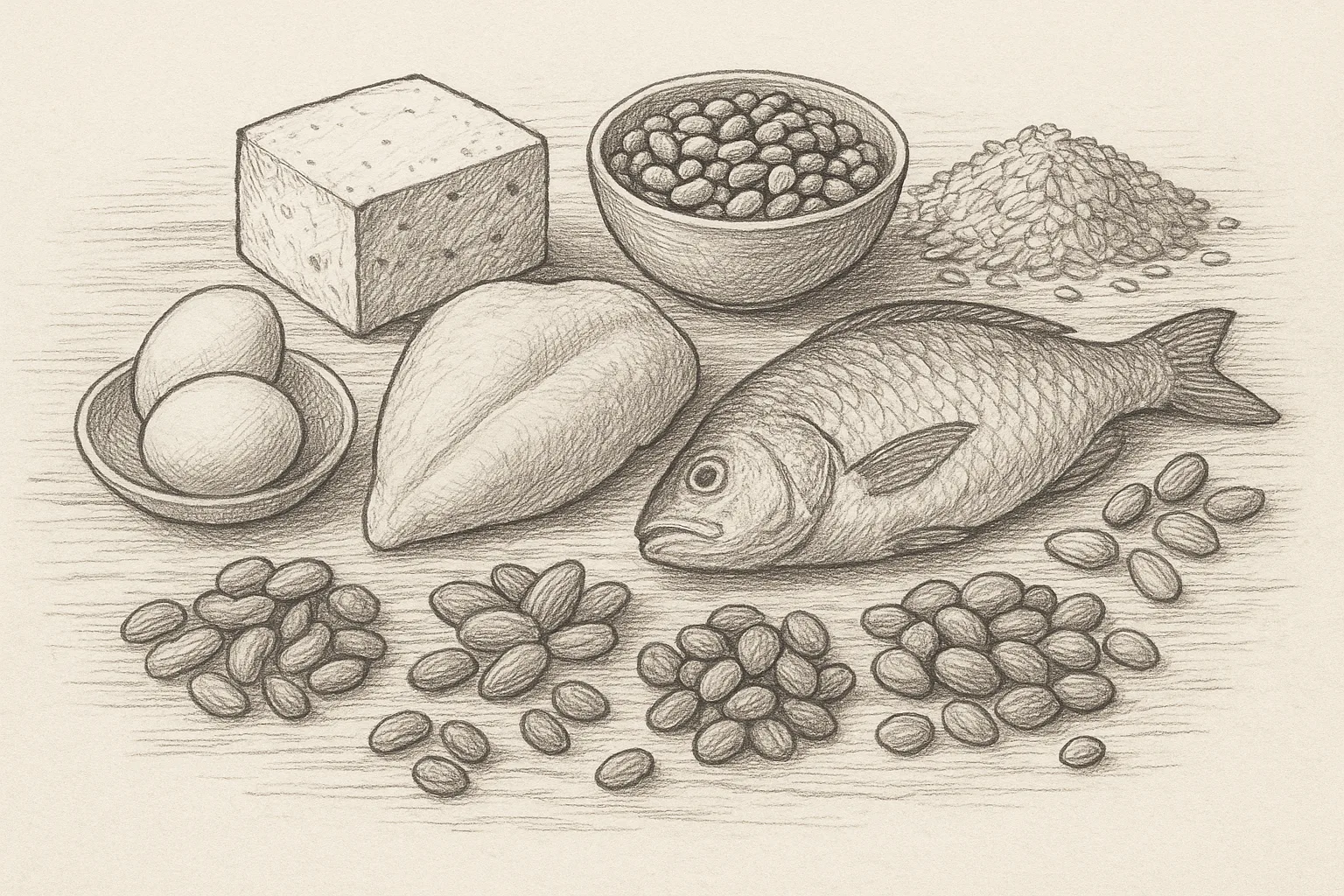
- Animal-based sources: These include meat, poultry, fish, eggs, and dairy products such as whey and casein protein. They are naturally complete and often the most convenient way to get all essential amino acids.
- Some plant-based sources: Quinoa, soy, and buckwheat are examples of plant foods that provide complete protein.
Incomplete Proteins Explained
Incomplete proteins lack one or more of the essential amino acids. Most plant-based proteins fall into this category, which doesn’t mean they’re inferior, but they do require a bit more planning.
- Common incomplete proteins include beans, lentils, nuts, seeds, and many grains.
- Each of these foods contains some essential amino acids but not all nine in sufficient quantities.
How to Combine Incomplete Proteins for Complete Nutrition
One common myth is that you have to eat complementary proteins (like rice and beans) in the same meal to get all essential amino acids. The truth is, your body can pool amino acids over the day, so eating a variety of plant proteins throughout the day is enough.
- For example, having lentils at lunch and wholegrain bread at dinner can provide all essential amino acids.
- Mixing nuts or seeds with grains or legumes throughout the day also helps.
Comparing Popular Protein Sources for Fitness Enthusiasts
- Whey Protein: Derived from milk, whey is a complete protein known for fast absorption and is popular post-workout.
- Casein Protein: Also from milk, casein digests slowly, providing a sustained amino acid release, often used before sleep.
- Soy Protein: A complete plant-based protein that’s great for vegetarians and vegans.
- Pea Protein: Incomplete on its own but high in essential amino acids; often paired with rice protein to create a complete profile.
Practical Tips for Including Complete and Incomplete Proteins
- Assess your diet: Note how much protein you’re currently eating and from which sources.
- Include a variety of protein sources: Mix animal and plant proteins if you eat both; if you’re vegetarian or vegan, combine different plant proteins over the day.
- Use protein powders wisely: Consider whey or casein if you consume dairy; soy or blended plant proteins like pea and rice are great alternatives.
- Plan meals: Pair legumes with grains or nuts and seeds to ensure a complete amino acid intake.
- Listen to your body: Notice how different protein sources make you feel and support your recovery.
Common Myths About Protein Quality
- Myth: You must eat complementary proteins at the same meal. Reality: Your body can combine amino acids from different meals throughout the day.
- Myth: Plant proteins are inferior and can’t support muscle growth. Reality: With variety and sufficient intake, plant proteins support fitness goals effectively.
- Myth: Animal proteins are always better. Reality: Both animal and plant proteins have benefits; sustainability and personal preferences matter too.
Building Sustainable Protein Habits
Consistency is key. Try these habits to make protein intake manageable and enjoyable:
- Meal prep: Prepare protein-rich meals or snacks ahead of time, such as grilled chicken, boiled eggs, or mixed bean salads.
- Snack smart: Choose nuts, seeds, or yoghurt to keep protein levels steady throughout the day.
- Stay hydrated: Water helps your body process protein efficiently.
- Mind your portions: Balance protein with carbs and fats for optimal energy and recovery.
Conclusion
Understanding the difference between complete and incomplete proteins empowers you to make informed nutrition choices that support your fitness goals. Both types can play valuable roles in your diet. By including a range of protein sources and focusing on sustainable, balanced eating habits, you’ll give your body the amino acids it needs to thrive. Remember, it’s not about perfection but consistency and variety that will help you build strength and stay healthy long term.
This article provides general educational information only and is not a substitute for professional medical advice. Always consult a qualified healthcare professional for personal guidance.