
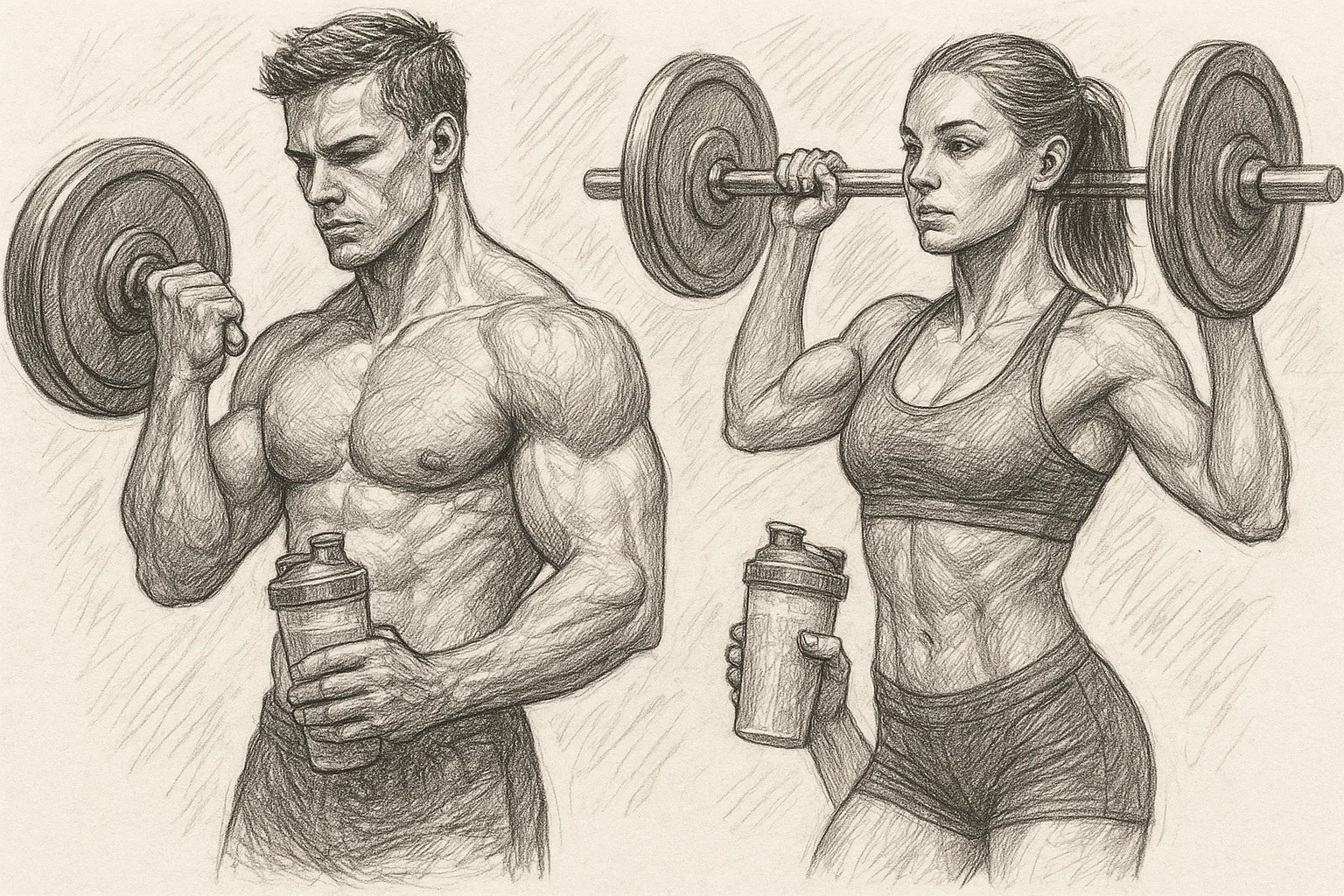
Does Protein Make You Bulky? Understanding the Real Truth
Many people who want to improve their health or get fitter wonder if eating protein will make them bulky. This is especially common among women and those new to strength training. The idea that protein alone causes big muscles is a widespread myth. In this article, we’ll explore what protein really does in your body, debunk common misconceptions, and share practical tips on how to include protein in your diet without worrying about unwanted bulk.
What is Protein and Why Does Your Body Need It?
Protein is one of the three main macronutrients—alongside carbohydrates and fats—that your body needs to function well. Proteins are made up of amino acids, which are the building blocks for muscles, skin, hair, enzymes, and many other vital parts of your body.
Eating enough protein supports muscle repair and growth, helps keep you full, and plays a role in your immune system and hormone production. It’s an essential part of a balanced diet for everyone, regardless of your fitness goals.
Myth: Protein Automatically Makes You Bulk Up
This myth likely comes from the fact that bodybuilders and athletes often consume high amounts of protein to support intense training. However, protein itself does not cause muscle growth or bulkiness unless combined with specific types of exercise and an overall calorie surplus.
- Muscle growth requires resistance training: Protein helps repair muscles after exercise, but without regular strength training, your muscles won’t grow significantly.
- Calories matter: To gain muscle mass, you need to eat more calories than you burn. Protein alone won’t cause weight gain if your calorie intake is balanced.
- Genetics play a role: Some people naturally build muscle more easily, but many find it hard to get bulky without dedicated training.
Different Types of Protein: Whey, Casein, Soy, Pea
Protein comes from various sources, and each type has unique benefits. Here’s a quick comparison of some common proteins:
- Whey Protein: A fast-digesting protein derived from milk, popular among athletes for quick muscle repair after workouts.
- Casein Protein: Also from milk, casein digests slowly, providing a steady release of amino acids, often used before sleep.
- Soy Protein: A plant-based protein that is rich in essential amino acids and a good option for vegetarians and vegans.
- Pea Protein: Another plant-based choice, hypoallergenic and easy to digest, suitable for those avoiding dairy and soy.
None of these proteins will make you bulky on their own. Choose based on your dietary preferences, how your body responds, and your lifestyle.
How to Use Protein Wisely for Your Fitness Goals
Whether you want to maintain your weight, lose fat, or build some muscle tone, protein plays a helpful role. Here are some sustainable, practical tips:
- Balance your meals: Include a good source of protein with every meal to support satiety and muscle maintenance.
- Focus on whole foods: Lean meats, fish, eggs, dairy, legumes, nuts, and seeds provide quality protein along with other nutrients.
- Match protein intake to your activity level: If you’re very active or do strength training, your protein needs may be higher. For general health, moderate amounts are sufficient.
- Don’t fear plant proteins: Combining different plant proteins throughout the day can provide all essential amino acids.
- Timing isn’t everything: While spreading protein intake evenly is beneficial, obsessing over timing won’t make or break your results.
Step-by-Step: Incorporating Protein Without Bulk
Here’s a simple approach to enjoying protein without worrying about unwanted muscle gain:
- Assess your current diet: Keep a food diary for a few days to see how much protein you’re already eating.
- Set realistic goals: Think about what you want to achieve – more energy, better recovery, or muscle tone rather than bulk.
- Choose your protein sources: Pick options you enjoy and that fit your lifestyle, whether that’s whey shakes or chickpeas and lentils.
- Plan balanced meals: Aim for a palm-sized portion of protein with vegetables and whole grains.
- Stay active: Include a mix of aerobic exercise and gentle resistance training to tone muscles without heavy bulking.
- Monitor progress and adjust: Notice how your body feels and changes, and tweak your intake or activity accordingly.
Common Myths About Protein and Muscle Gain
- Myth 1: More protein means bigger muscles instantly. Truth: Muscle growth takes time, consistent training, and overall calorie surplus.
- Myth 2: Only animal protein builds muscle. Truth: Plant proteins like soy and pea can support muscle repair effectively.
- Myth 3: Protein shakes are essential for muscle gain. Truth: Whole foods provide excellent protein; shakes are a convenient option but not mandatory.
- Myth 4: Eating protein at night causes bulk. Truth: Casein protein before bed supports muscle repair; timing won’t cause unwanted muscle growth if calories are balanced.
Final Thoughts: Protein Is Your Friend, Not a Bulking Agent
Protein is an important nutrient that supports your overall health and fitness, but it doesn’t make you bulky on its own. Your body builds muscle through the right combination of exercise, nutrition, and calorie intake. By including protein in a balanced, sustainable way, you can enjoy its benefits without worrying about unwanted muscle gain.
Focus on what makes you feel good and supports your goals. Remember, every body is different, and the right protein intake varies from person to person. Listen to your body, stay active, and choose foods that nourish you.
This article provides general educational information only and is not a substitute for professional medical advice. Always consult a qualified healthcare professional for personal guidance.