
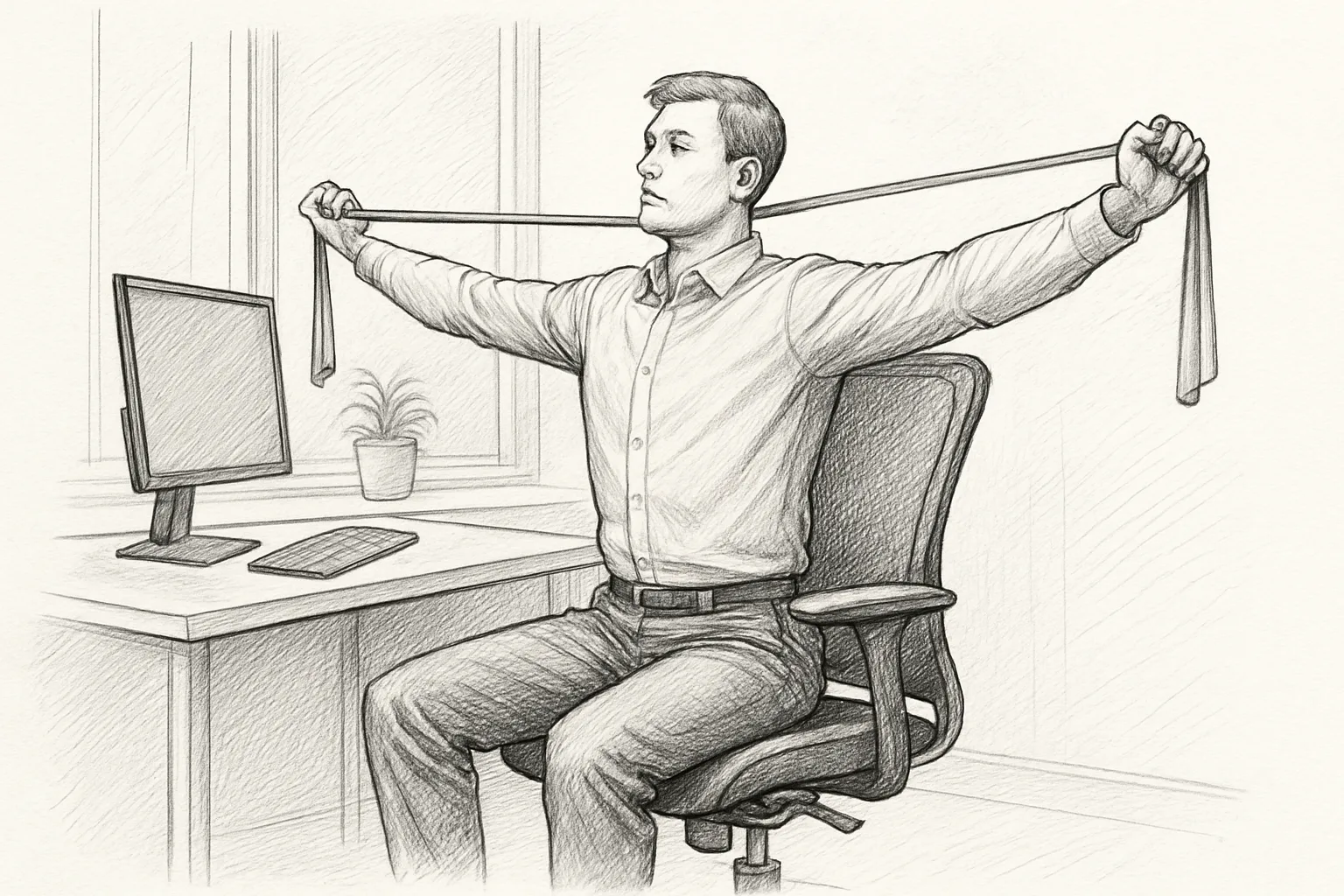
Daily Mobility Exercises for Desk Workers: Stay Flexible and Comfortable
Spending long hours at a desk can take a toll on your body. Sitting for extended periods often leads to stiffness, tight muscles, and discomfort. The good news is that incorporating daily mobility exercises can help counteract these effects, keeping you flexible, comfortable, and productive throughout your day.
Mobility exercises focus on moving your joints through their full range of motion. Unlike static stretching, these exercises promote joint health and muscle activation, which is especially important for desk workers who tend to have limited movement during the day.
Why Are Mobility Exercises Important for Desk Workers?
- Combat stiffness: Sitting for hours can cause muscles to become tight, particularly in the hips, lower back, and shoulders.
- Improve posture: Regular movement helps maintain spinal alignment and reduces the risk of developing postural problems.
- Increase circulation: Moving joints and muscles encourages blood flow, which can reduce fatigue and boost energy.
- Reduce injury risk: Maintaining joint flexibility decreases the chance of strains and discomfort when you move.
Simple Daily Mobility Exercises You Can Do at Your Desk
These exercises require no special equipment and can be done in short breaks throughout your workday. Try to perform each exercise slowly and with control, focusing on smooth movements rather than speed.
-
Neck Circles
- Slowly drop your chin toward your chest.
- Gently roll your head to the right, bringing your ear toward your shoulder.
- Continue rolling your head back and then to the left, forming a circle.
- Complete 5 circles in each direction.
-
Shoulder Rolls
- Sit tall and lift your shoulders toward your ears.
- Roll them backward in a circular motion.
- Repeat 10 times, then reverse the direction.
-
Spinal Twists
- Sit with your feet flat on the floor and hands resting on your thighs.
- Inhale and lengthen your spine.
- Exhale and gently twist your torso to the right, using your left hand on your right thigh for support.
- Hold for 5 breaths, then repeat on the left side.
-
Hip Flexor Stretch
- Stand up and take a step back with your right foot.
- Bend your left knee while keeping your right leg straight behind you.
- Press your hips forward gently until you feel a stretch in the front of your right hip.
- Hold for 20 seconds, then switch sides.
-
Seated Cat-Cow Stretch
- Sit tall with feet flat on the floor and hands on your knees.
- On an inhale, arch your back, lift your chest, and look slightly upward (Cow).
- On an exhale, round your spine, tuck your chin toward your chest (Cat).
- Repeat 8–10 cycles slowly.
-
Wrist and Finger Mobility
- Extend your arms in front of you with palms facing down.
- Make slow circles with your wrists, 10 times clockwise and 10 times counterclockwise.
- Open and close your fingers wide 10 times to release tension.
Tips for Building a Sustainable Daily Mobility Habit
- Set reminders: Use phone alarms or calendar notifications to prompt movement breaks every hour.
- Keep it short: Even 5 minutes of mobility exercises can make a difference.
- Make it enjoyable: Choose exercises that feel good and avoid any that cause pain.
- Consistency over intensity: Regular gentle movement is better than occasional intense sessions.
- Integrate with your routine: Do exercises during breaks, before starting work, or after finishing your day.
Common Myths About Mobility Exercises
- Myth: Mobility exercises are only for athletes or older adults. Reality: Everyone benefits from moving their joints regularly, especially those who sit a lot.
- Myth: Stretching is the same as mobility work. Reality: Stretching is often static, while mobility involves moving joints actively through their range.
- Myth: You need a gym or special equipment. Reality: Many effective mobility exercises can be done at your desk with no equipment.
- Myth: If you don’t feel pain, you don’t need mobility exercises. Reality: Preventing stiffness and maintaining joint health is important even if you feel fine.
When to Be Cautious
If you experience sharp or persistent pain during any mobility exercise, it’s important to stop and seek advice from a qualified healthcare professional. These exercises are intended to be gentle and pain-free. Listen to your body and modify movements as needed.
Conclusion
Incorporating daily mobility exercises into your routine is a practical and effective way for desk workers to stay flexible, reduce stiffness, and support overall wellbeing. By dedicating just a few minutes each day to gentle movements like neck circles, shoulder rolls, and spinal twists, you can counteract the effects of prolonged sitting and feel more comfortable throughout your workday. Remember, consistency is key, and small, sustainable changes often lead to the best long-term results.
This article provides general educational information only and is not a substitute for professional medical advice. Always consult a qualified healthcare professional for personal guidance.