
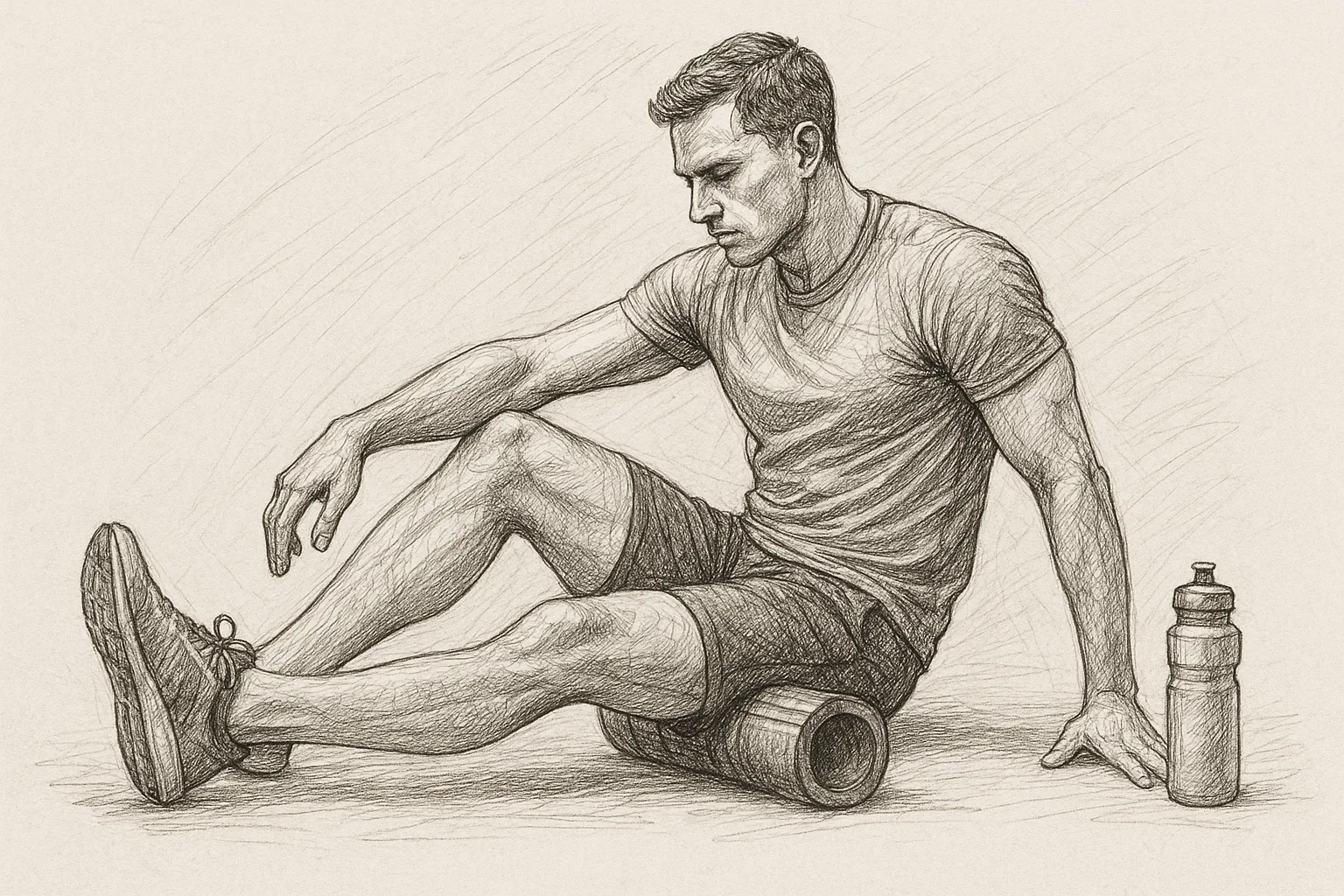
How to Recover Properly After Workouts: Essential Steps for Sustainable Fitness
Recovering properly after workouts is just as important as the exercise itself. When you give your body the right care after physical activity, you help it heal, build strength, and improve overall performance. Without good recovery habits, you risk fatigue, muscle soreness, and even injury, which can hold you back from your fitness goals. Whether you’re a beginner or a seasoned exerciser, understanding how to recover well can keep your workouts enjoyable and sustainable.
Why Recovery Matters
Exercise causes tiny micro-tears in muscle fibres and depletes energy stores. Recovery allows your body to repair these muscles, replenish energy, and adapt to the training stress, making you stronger over time. Good recovery also reduces the risk of burnout and supports your mental wellbeing.
Step-by-Step Tips for Proper Workout Recovery
1. Cool Down and Stretch Gently
Immediately after exercising, take 5 to 10 minutes to cool down with light activity such as walking or slow cycling. This helps gradually lower your heart rate and prevents blood pooling in your legs.
Follow your cool down with gentle stretching focused on the muscles you worked. Stretching can improve flexibility and reduce muscle tightness, making movement easier in the following days.
2. Hydrate Well
During exercise, you lose fluids through sweat, which can affect muscle function and recovery. Rehydrating after your workout is crucial. Water is usually sufficient, but if you’ve exercised intensely for over an hour or in hot conditions, drinks with electrolytes can help replace lost salts.
3. Refuel with Balanced Nutrition
Eating the right nutrients after your workout supports muscle repair and energy restoration. Aim for a combination of:
- Protein: Helps rebuild muscle fibres. Good sources include lean meats, eggs, dairy, soy products, legumes, and nuts.
- Carbohydrates: Replenish glycogen stores in muscles. Opt for whole grains, fruits, vegetables, and starchy foods.
- Fats: Include healthy fats like avocado, olive oil, and nuts in moderate amounts to support overall health.
A practical example is a meal or snack with grilled chicken, quinoa, and steamed vegetables, or a smoothie with yogurt, berries, and a handful of nuts.
4. Prioritise Quality Sleep
Sleep is when your body does much of its repair work. Aim for 7 to 9 hours of quality sleep per night to maximise recovery. Create a relaxing bedtime routine, keep your sleep environment cool and dark, and avoid screens before bed to improve sleep quality.
5. Manage Muscle Soreness and Fatigue
Mild muscle soreness after a workout is normal, but there are ways to ease discomfort:
- Active Recovery: Engage in low-intensity activities like walking, swimming, or yoga on rest days to boost circulation and reduce stiffness.
- Massage or Foam Rolling: These can help relieve muscle tightness and improve mobility.
- Cold or Warm Baths: Some people find contrast showers or warm baths soothing, though evidence is mixed. Choose what feels best for you.
6. Listen to Your Body
One of the most important recovery habits is tuning in to your body’s signals. If you feel unusually tired, have persistent pain, or notice a drop in performance, it may be time to take a longer rest or adjust your training intensity.
Common Myths About Workout Recovery
Myth 1: You Must Stretch Intensely to Prevent Soreness
While gentle stretching can help with flexibility, intense stretching immediately after a workout does not prevent soreness and can sometimes cause more discomfort. Focus on gentle, easy stretches instead.
Myth 2: Drinking Protein Shakes Is Essential Right After Exercise
Protein is important for recovery, but it doesn’t have to come from a shake or be consumed immediately post-workout. Balanced meals throughout the day provide sufficient protein for most people.
Myth 3: The More You Train, the Faster You Improve
Overtraining without adequate recovery can actually hinder progress and increase injury risk. Rest days and good recovery habits are key to steady improvement.
Myth 4: You Should Avoid All Activity on Rest Days
Complete rest can be helpful sometimes, but light activity on rest days often aids recovery by promoting blood flow and reducing stiffness.
Creating a Sustainable Recovery Routine
Building recovery into your fitness routine doesn’t have to be complicated or time-consuming. Here’s how to make it manageable:
- Plan Recovery Just Like Workouts: Schedule cool downs, meals, hydration, and sleep as part of your training plan.
- Keep Nutrition Simple: Choose whole foods you enjoy that provide a mix of protein and carbs.
- Use Rest Days Wisely: Incorporate gentle movement rather than complete inactivity if you feel up to it.
- Track Your Feelings: Notice how your body responds to different recovery strategies and adjust accordingly.
- Be Patient: Recovery is a gradual process, and consistent habits will bring the best results over time.
Conclusion
Recovering properly after workouts is essential for building strength, preventing injury, and enjoying your fitness journey. By incorporating a cool down, staying hydrated, eating balanced meals, prioritising sleep, and listening to your body, you can create a recovery routine that fits your lifestyle and supports your goals. Remember, rest and recovery are not signs of weakness but important parts of a healthy, sustainable approach to fitness.
This article provides general educational information only and is not a substitute for professional medical advice. Always consult a qualified healthcare professional for personal guidance.