
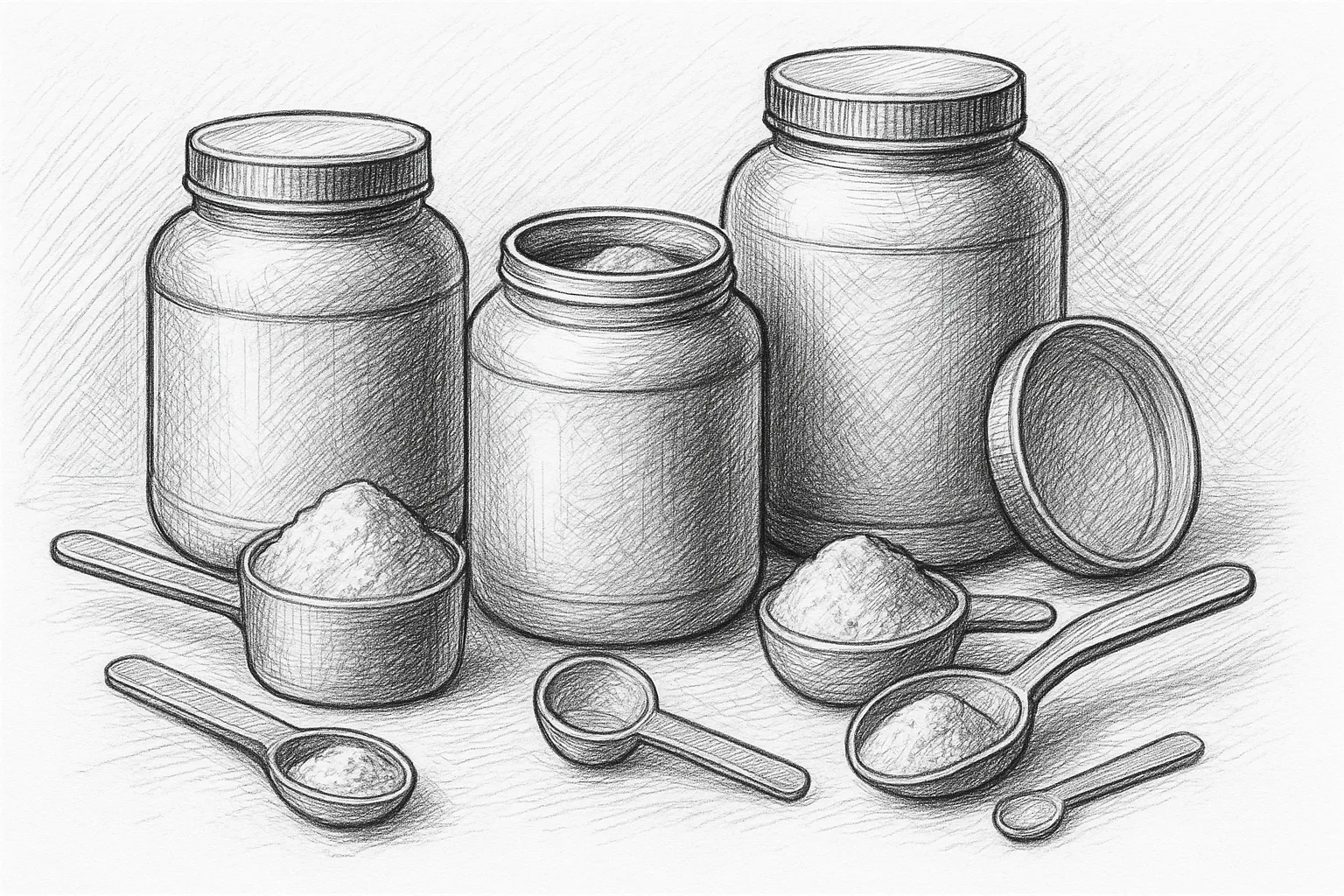
A Simple Guide to Protein Powders for Beginners
Protein powders can be a helpful addition to your diet, whether you’re aiming to build muscle, recover from exercise, or simply ensure you get enough protein throughout the day. But if you’re new to the world of protein supplements, the variety of options and advice can feel overwhelming. This guide will walk you through the basics, from different types of protein powders to practical tips and common myths, helping you make informed choices that fit your lifestyle.
Why Consider Protein Powder?
Protein is an essential nutrient that helps repair tissues, supports muscle growth, and keeps your body functioning well. While many people can meet their protein needs through whole foods like meat, fish, eggs, dairy, beans, and nuts, protein powders offer a convenient way to boost intake when needed. This can be especially useful for busy days, after workouts, or if your diet lacks variety.
Common Types of Protein Powders
There are several popular protein powders available. Here’s a quick overview of four common types, highlighting their characteristics and best uses:
- Whey Protein: Derived from milk, whey protein is quickly absorbed by the body, making it popular for post-exercise recovery. It contains all essential amino acids and tends to have a complete protein profile. Whey is often preferred by those looking to build muscle or lose fat due to its high biological value.
- Casein Protein: Also from milk, casein digests more slowly than whey, providing a steady release of amino acids over several hours. This makes it a good choice for a bedtime snack or when you want longer-lasting protein support.
- Soy Protein: A plant-based option that is a complete protein, soy powder is suitable for vegetarians and vegans. It contains beneficial compounds called isoflavones, which may have additional health effects. Soy is a versatile protein powder but can be an allergen for some.
- Pea Protein: Another plant-based option, pea protein is hypoallergenic and easy to digest. While it’s not a complete protein on its own (lacking some amino acids), it’s often combined with other plant proteins to provide a balanced profile. It’s a great choice for those avoiding dairy or soy.
How to Choose the Right Protein Powder for You
Selecting a protein powder depends on your dietary preferences, goals, and any sensitivities. Here are some simple steps to help you decide:
- Assess Your Needs: Are you looking for muscle recovery, weight management, or filling nutritional gaps? Whey and casein work well for muscle support, while plant-based options suit those avoiding animal products.
- Check Ingredients: Look for powders with minimal added sugars, artificial sweeteners, or fillers. Simple ingredients lists usually mean a purer product.
- Consider Allergies or Intolerances: If you’re lactose intolerant or allergic to dairy, soy or pea proteins might be better choices.
- Try Small Amounts First: Buy sample sizes or small containers to see how your body reacts and whether you like the taste.
- Think About Convenience and Cost: Some powders dissolve better in liquids and may be more affordable or widely available where you shop.
Tips for Using Protein Powders in Your Daily Life
Incorporating protein powder into your routine doesn’t have to be complicated. Here are some practical, sustainable habits to get started:
- Mix with Fluids You Enjoy: Use water, milk, or plant-based milk alternatives to make your shake tastier.
- Add to Meals: Blend protein powder into smoothies, oatmeal, yoghurt, or even baked goods for an easy protein boost.
- Time It Well: Use whey protein soon after exercise for quicker recovery, or casein before bed for sustained nourishment.
- Balance Your Diet: Remember that protein powders supplement your diet—they should not replace whole foods like legumes, nuts, and lean meats.
- Stay Hydrated: Drinking enough water helps your body process protein efficiently.
Common Myths About Protein Powders
There’s a lot of misinformation out there about protein powders. Let’s clear up some common myths:
- Myth: Protein Powder Is Only for Bodybuilders. Truth: Protein powders can benefit anyone needing extra protein, including older adults, vegetarians, or those recovering from illness.
- Myth: More Protein Means Faster Muscle Gains. Truth: Your body can only use a certain amount of protein at a time. Excess protein is not necessarily better and should be balanced with other nutrients.
- Myth: Plant-Based Proteins Are Inferior. Truth: While some plant proteins lack certain amino acids, combining different sources like pea and rice protein can provide a complete profile.
- Myth: Protein Powders Are Unsafe or Full of Chemicals. Truth: Reputable brands follow safety standards. Choosing powders with simple ingredients helps avoid unnecessary additives.
Conclusion
Protein powders can be a convenient and effective way to support your protein needs, especially when used thoughtfully alongside a balanced diet. Whether you opt for whey, casein, soy, or pea protein, focus on quality, your personal preferences, and sustainable habits. Remember, the best protein powder is one that fits naturally into your lifestyle and helps you feel your best.
This article provides general educational information only and is not a substitute for professional medical advice. Always consult a qualified healthcare professional for personal guidance.