
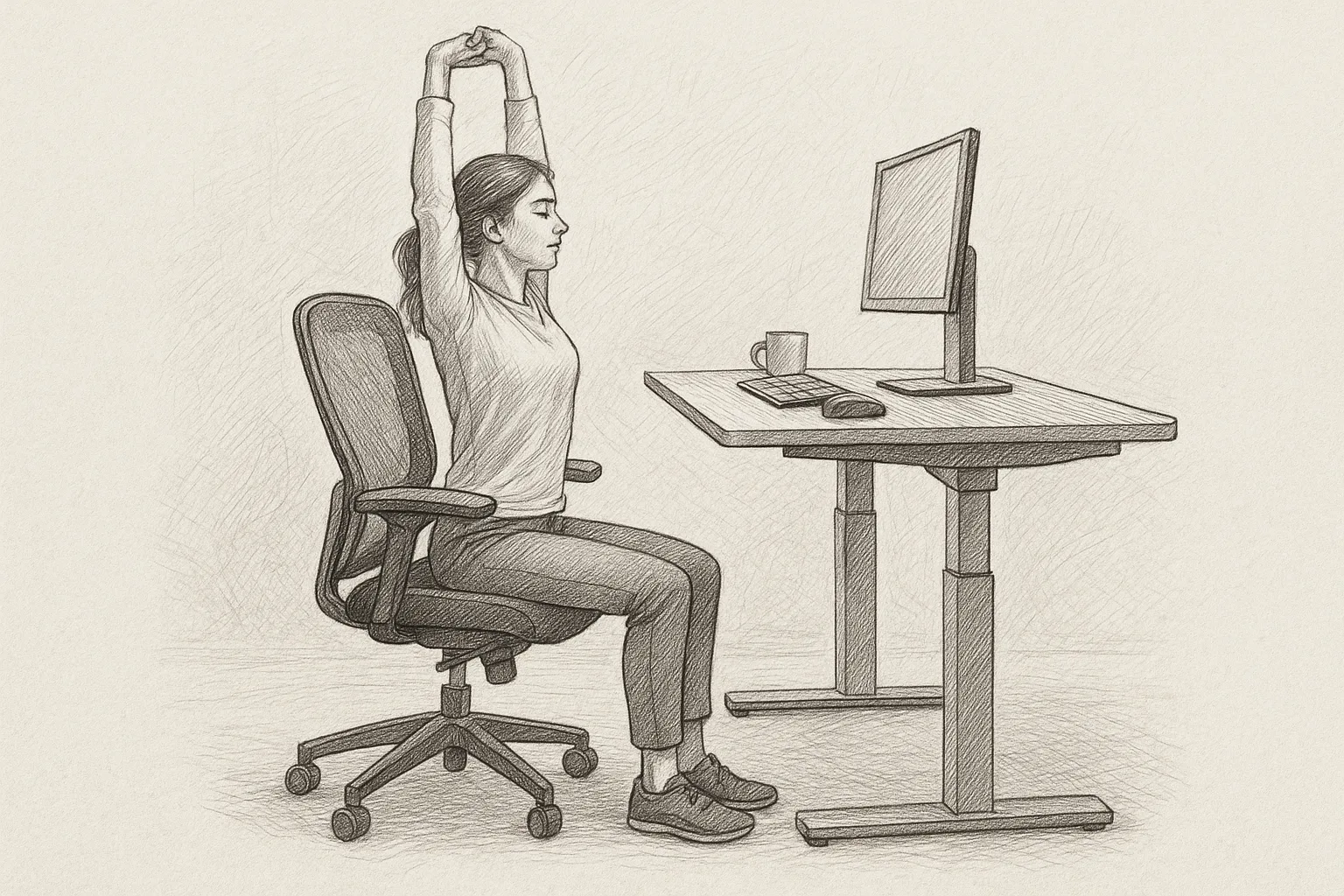
How to Reduce Stiffness from Sitting All Day
In today’s world, many of us spend a large part of our day sitting—whether at a desk, in front of a computer, or during long commutes. While sitting is a natural part of modern life, staying in one position for hours can lead to stiffness, discomfort, and even reduced mobility over time.
The good news is that there are practical, sustainable ways to ease and prevent stiffness caused by prolonged sitting. This article explores easy-to-adopt habits backed by evidence and common sense to help you move more comfortably throughout your day.
Why Does Sitting Cause Stiffness?
Sitting for long periods reduces blood flow and causes muscles and joints to become less flexible. Your spine can lose its natural curve, hips may tighten, and muscles in the neck, shoulders, and lower back can become tense. Over time, this can lead to feelings of stiffness and soreness.
Understanding this helps us focus on strategies that promote movement, maintain muscle elasticity, and improve circulation.
Step-by-Step Tips to Reduce Sitting-Related Stiffness
- 1. Take Regular Movement Breaks Aim to stand up and move every 30 to 60 minutes. Even short breaks of 1-2 minutes can make a difference. Use a timer or an app reminder if needed.
- 2. Incorporate Gentle Stretching Stretching helps maintain flexibility. Focus on areas that stiffen easily, such as the neck, shoulders, hips, and lower back. Simple stretches could include neck rotations, shoulder rolls, hip flexor stretches, and seated spinal twists.
- 3. Practice Seated Mobility Exercises If standing breaks aren’t always possible, try seated movements like ankle circles, leg lifts, or seated cat-cow stretches to keep joints moving.
- 4. Set Up an Ergonomic Workspace Proper posture reduces strain. Ensure your chair supports your lower back, your feet rest flat on the floor, and your screen is at eye level. Avoid slumping or leaning forward.
- 5. Use a Standing Desk or Adjustable Workstation Alternating between sitting and standing can reduce stiffness and improve circulation. Start gradually—try standing for 15-20 minutes every hour.
- 6. Stay Hydrated Water supports joint health and muscle function. Drinking enough fluids throughout the day helps keep tissues supple.
- 7. Engage in Regular Physical Activity Outside of work or sitting periods, activities like walking, swimming, yoga, or gentle strength training maintain overall flexibility and muscle strength.
- 8. Pay Attention to Your Breathing Deep, mindful breathing can reduce muscle tension and improve oxygen flow to tissues. Try taking slow, deep breaths during breaks.
Sample Routine to Combat Sitting Stiffness
- Start your day with 5-10 minutes of light stretching focusing on hips, back, and shoulders.
- Set a timer to remind you every 30 minutes to stand and move for 1-2 minutes.
- During seated work, practice ankle circles and shoulder rolls every hour.
- At lunchtime, take a 10-minute walk to promote circulation.
- Try to use a standing desk for part of your workday if possible.
- Finish the day with gentle yoga or mobility exercises to relax tight muscles.
Myths About Sitting and Stiffness
- Myth: Sitting too much only affects your back. Actually, prolonged sitting can affect multiple areas including hips, neck, shoulders, and even circulation in your legs.
- Myth: You need to do intense exercise to fix stiffness. Even gentle movements and stretches can effectively reduce stiffness. Consistency matters more than intensity.
- Myth: Standing all day is better than sitting. Standing too long without movement can also cause discomfort. The key is regularly changing positions and moving.
- Myth: Stretching once a day is enough. Frequent movement throughout the day is more beneficial than a single stretching session.
Additional Tips for Sustainable Comfort
- Listen to Your Body: Notice when stiffness starts and respond with gentle movement rather than waiting for pain.
- Make Movement Enjoyable: Choose activities and stretches you like to maintain motivation and consistency.
- Adjust Your Environment: Small changes like a lumbar roll, footrest, or better lighting can improve posture and reduce strain.
- Involve Others: Encourage colleagues or family members to join you in movement breaks for mutual support.
Conclusion
Reducing stiffness from sitting all day is achievable with simple, practical habits that fit your lifestyle. By moving regularly, stretching gently, maintaining good posture, and listening to your body, you can keep your muscles and joints comfortable and flexible. Remember, small changes add up over time and promote long-term wellbeing. Start with manageable steps and build a daily routine that keeps you feeling your best, even on busy or desk-bound days.
This article provides general educational information only and is not a substitute for professional medical advice. Always consult a qualified healthcare professional for personal guidance.