
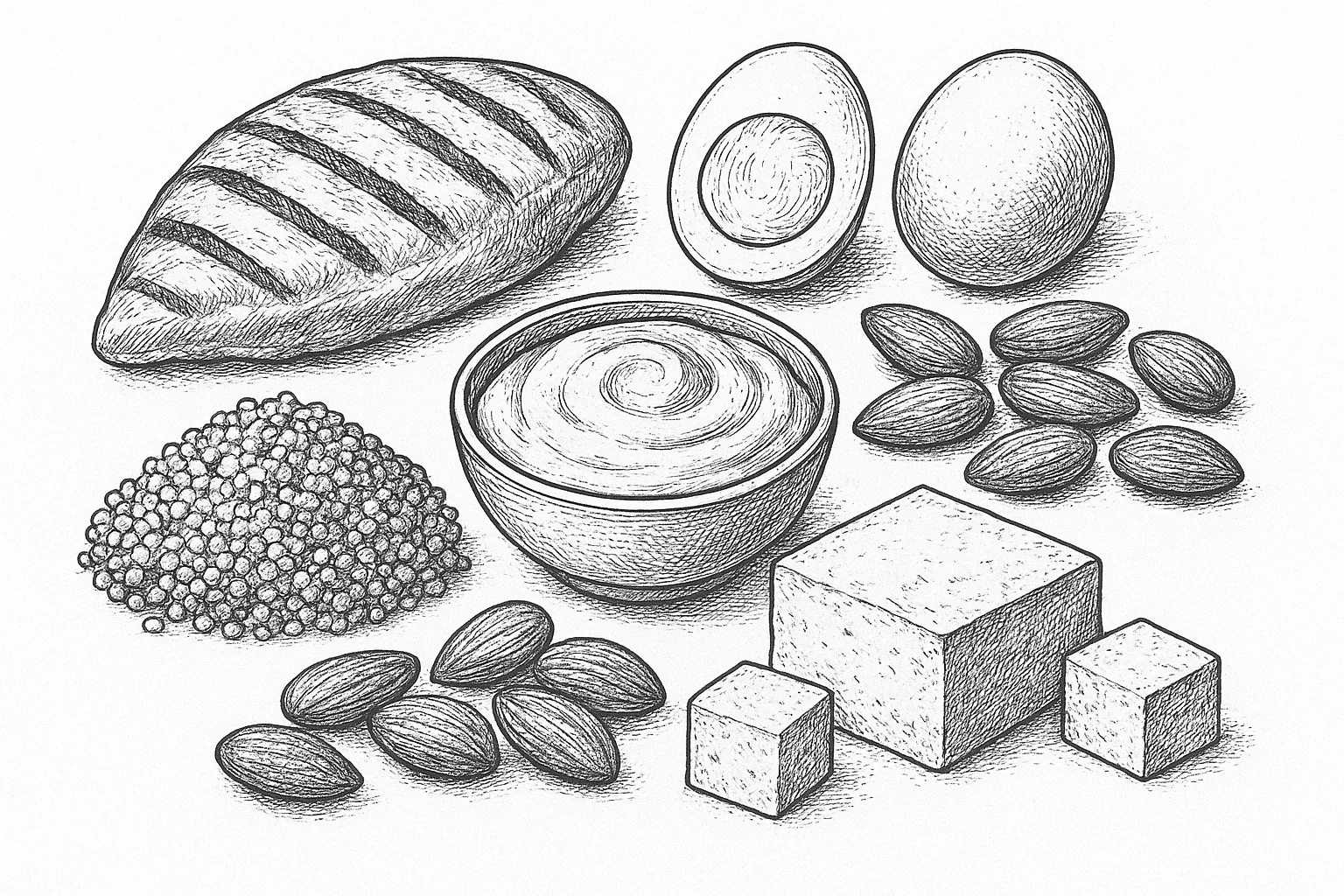
Best Protein Sources for Building Lean Muscle
Building lean muscle is a common goal for many adults seeking to improve strength, appearance, and overall health. A key factor in this process is protein, which helps repair and build muscle tissue after exercise. But with so many options available, it can be tricky to know which protein sources are best for your body and lifestyle. In this article, we’ll explore four popular protein types—whey, casein, soy, and pea—and provide practical, sustainable tips for incorporating them into your routine.
Why Protein Matters for Lean Muscle
Protein is made up of amino acids, the building blocks that support muscle repair and growth. Consuming enough high-quality protein after workouts can enhance muscle recovery and help you build lean muscle mass over time. It’s important to focus not only on quantity but also on the quality and timing of your protein intake.
Comparing Popular Protein Sources: Whey, Casein, Soy, and Pea
Whey Protein
Whey protein is derived from milk and is one of the most popular protein supplements available. It’s known for its fast absorption, meaning your muscles get the amino acids they need quickly after exercise.
- Benefits: Complete protein with all essential amino acids, fast digestion, supports muscle recovery.
- Considerations: Contains lactose, which may not suit those with lactose intolerance or dairy allergies.
Casein Protein
Also from milk, casein is a slower-digesting protein compared to whey. This quality makes it ideal for providing a steady release of amino acids over several hours.
- Benefits: Sustained amino acid release, supports muscle repair during sleep or long periods without food.
- Considerations: Like whey, it contains lactose and may not be suitable for everyone.
Soy Protein
Soy protein is a plant-based option that contains all nine essential amino acids, making it a complete protein. It’s a favourite for those following vegetarian or vegan diets.
- Benefits: Complete plant protein, heart-healthy, may support muscle growth effectively.
- Considerations: Some people may have soy allergies or prefer to avoid soy due to personal reasons.
Pea Protein
Pea protein is another plant-based protein that has gained popularity. While it’s slightly lower in some amino acids compared to soy, it’s rich in branched-chain amino acids (BCAAs), which are important for muscle building.
- Benefits: Hypoallergenic, easy to digest, good source of BCAAs, suitable for most diets.
- Considerations: May be less complete than animal proteins, but can be combined with other plant proteins for balance.
Step-by-Step Tips for Using Protein to Build Lean Muscle
- Calculate Your Protein Needs: Aim for around 1.2 to 1.7 grams of protein per kilogram of body weight daily, depending on your activity level and goals.
- Choose a Variety of Protein Sources: Mix animal and plant proteins to gain a broad spectrum of nutrients and amino acids.
- Time Your Protein Intake: Consume protein within 30 to 60 minutes post-exercise to aid muscle recovery.
- Include Protein in Every Meal: Spread your intake evenly throughout the day for sustained muscle support.
- Opt for Whole Foods When Possible: Foods like lean meats, dairy, beans, and legumes offer additional nutrients beyond protein.
- Hydrate Well: Water supports muscle function and recovery, so drink plenty alongside your protein intake.
Common Myths About Protein and Muscle Building
Myth 1: You Need Excessive Protein to Build Muscle
Eating more protein than your body needs doesn’t accelerate muscle growth. Excess protein may be stored as fat or put extra strain on the kidneys. Stick to recommended amounts for your body and goals.
Myth 2: Plant Proteins Are Not Effective for Muscle Building
Plant proteins like soy and pea can be just as effective as animal proteins when consumed in sufficient amounts and combined correctly to ensure all essential amino acids are present.
Myth 3: Protein Supplements Are Necessary
While supplements can be convenient, many people meet their protein needs through balanced meals. Supplements are helpful if you struggle to get enough protein from food alone.
Practical and Sustainable Habits for Muscle Growth
Building lean muscle is a journey that benefits from consistency and balance. Here are some habits to support your goals sustainably:
- Plan Your Meals: Prepare meals ahead with a focus on protein-rich foods.
- Combine Protein Sources: For example, mix rice and beans or have pea protein with grains to ensure a complete amino acid profile.
- Listen to Your Body: Adjust protein intake based on how you feel, your energy levels, and your progress.
- Stay Active: Pair protein intake with resistance training to stimulate muscle growth.
- Rest and Recover: Muscles need time to repair. Quality sleep and rest days are crucial.
Conclusion
Choosing the best protein sources for building lean muscle depends on your personal preferences, dietary needs, and lifestyle. Whey and casein offer fast and slow-digesting animal proteins, while soy and pea provide excellent plant-based alternatives. By incorporating a variety of these proteins, timing your intake, and maintaining a balanced diet alongside regular exercise, you can support sustainable muscle growth. Remember, it’s about consistent habits rather than quick fixes, allowing your body to respond naturally and healthily over time.
This article provides general educational information only and is not a substitute for professional medical advice. Always consult a qualified healthcare professional for personal guidance.