
How to Stay Active During Busy or Stressful Periods
We all experience periods when life feels overwhelming, whether it’s due to work deadlines, family commitments, or unexpected challenges. During these times, staying active might seem like an extra task on a long to-do list. However, maintaining physical activity is one of the best ways to support your mental and physical wellbeing, especially when stress levels are high.
This guide offers practical, sustainable ways to keep moving even when your schedule is tight or your mind feels full. With step-by-step tips and myth-busting insights, you can find realistic ways to stay active that fit your lifestyle.
Why Staying Active Matters in Stressful Times
Physical activity helps reduce stress hormones, improves mood, boosts energy, and supports better sleep. Even short bursts of movement can clear your mind and enhance focus. When busy or stressed, regular activity acts like a natural reset button.
Step-by-Step Tips to Stay Active When Life Gets Hectic
- Set Small, Achievable Goals Instead of aiming for an hour-long workout, start with just 5 to 10 minutes of movement. This might be stretching, walking, or simple bodyweight exercises. Small goals are less daunting and easier to fit into a busy day.
- Incorporate Movement Into Daily Tasks Look for ways to add activity into routines. For example, take the stairs instead of the lift, park further from the store entrance, or do calf raises while waiting for your coffee to brew.
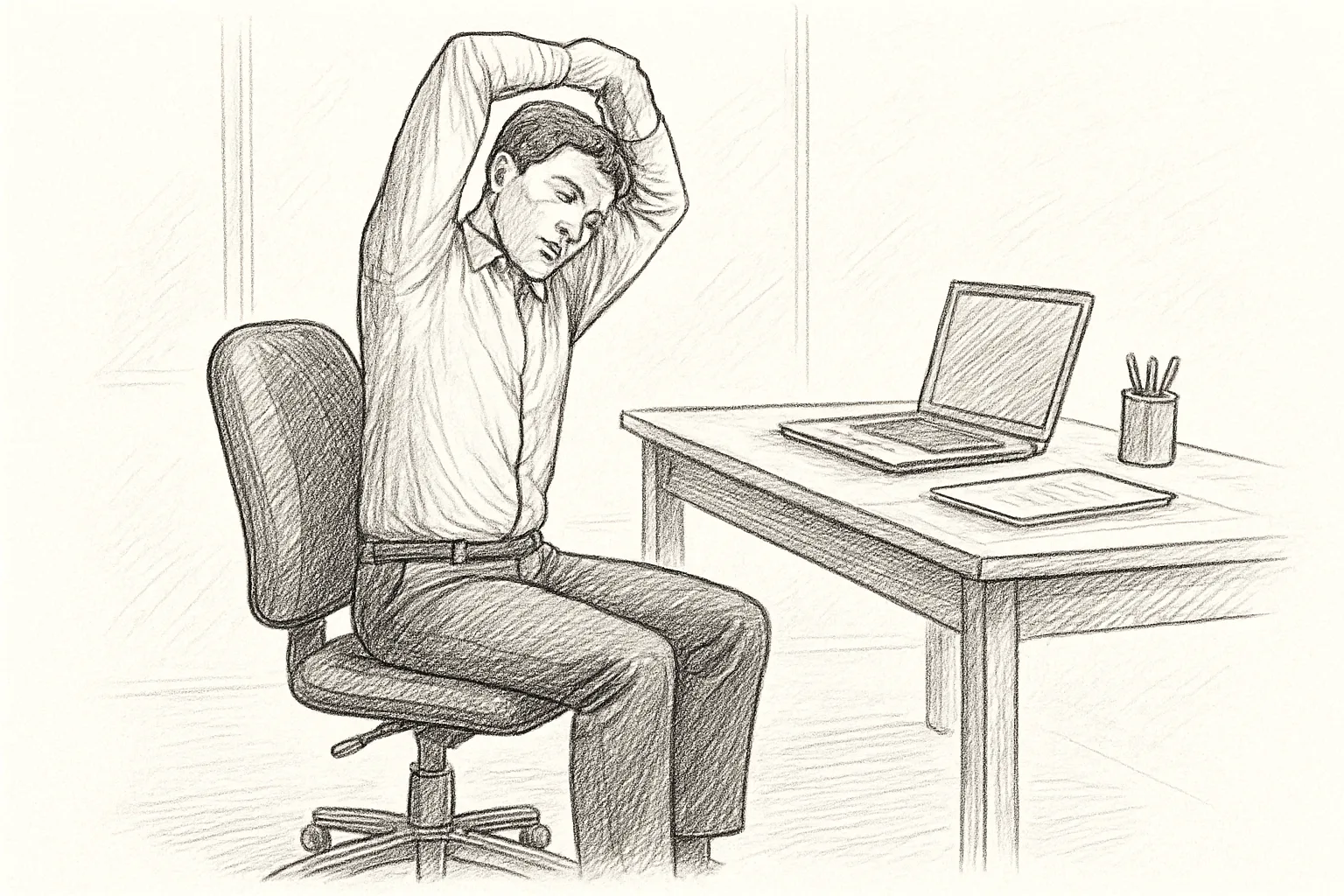
- Use Active Breaks to Recharge During work or study sessions, take short breaks to stand, stretch, or walk around. Even just a few minutes can reduce tension and improve concentration.
- Prioritise Movement That You Enjoy Whether it’s dancing around your living room, gardening, or playing with your children, enjoyable activities are easier to maintain long term and feel less like a chore.
- Schedule Activity Like an Appointment Treat your movement time as a non-negotiable appointment in your calendar. This helps make it a priority rather than an afterthought.
- Use Technology Wisely Set reminders on your phone or use apps that encourage short, guided workouts or movement breaks. Some apps even offer gentle mindfulness combined with stretching.
- Stay Connected If possible, involve friends, family, or colleagues in your activity. Social support can boost motivation and make exercise more fun.
- Be Kind to Yourself Remember that it’s okay if some days are less active than others. Focus on consistency over perfection, and celebrate small wins.
Myths About Staying Active During Stressful Times
- Myth 1: You Need Long, Intense Workouts to Benefit Reality: Even short, gentle movement can improve mood and reduce stress. Consistency matters more than intensity during busy times.
- Myth 2: Exercise Adds More Stress When You’re Busy Reality: While it might feel like a hassle, physical activity actually reduces stress hormones and helps your body cope better with pressure.
- Myth 3: You Have to Go to the Gym to Stay Active Reality: Movement can happen anywhere—your home, office, outdoors, or even while doing chores.
- Myth 4: If You Skip a Day, It’s All Lost Reality: One missed day won’t undo your progress. Focus on getting back on track rather than dwelling on setbacks.
Practical Ideas for Staying Active During Stressful Periods
- Morning Movement Ritual: Start your day with gentle stretches or a short walk to energise your body and mind.
- Walking Meetings: If you work remotely or in an office, suggest walking meetings or phone calls where you can move while discussing.
- Desk Exercises: Simple seated stretches, neck rolls, or leg lifts can reduce tension if you spend long hours sitting.
- Active Commuting: If feasible, walk or cycle part of your commute. Even getting off the bus one stop earlier adds steps.
- Family Activity Time: Engage in active play or light exercise with family members to combine bonding and movement.
- Evening Wind-Down Movement: Gentle yoga or stretching before bed can help release the day’s stress and improve sleep quality.
Tips for Building Sustainable Habits
- Track Your Progress: Use a journal or app to note your activity. Seeing progress, even small, boosts motivation.
- Mix It Up: Vary your activities to prevent boredom and work different muscle groups.
- Listen to Your Body: Adjust intensity and duration based on how you feel. Rest when needed.
- Celebrate Achievements: Reward yourself for sticking to your activity goals with non-food treats like a relaxing bath or new book.
Conclusion
Staying active during busy or stressful periods is not about perfection or pushing yourself to extremes. It’s about finding manageable, enjoyable ways to keep moving that fit into your life. Even small steps add up to big benefits for your physical and mental wellbeing. Remember to be patient with yourself, celebrate progress, and focus on consistency. Your body and mind will thank you for the gentle care and attention.
This article provides general educational information only and is not a substitute for professional medical advice. Always consult a qualified healthcare professional for personal guidance.