
Series: Finance for Kids
Phase 6: Smart Spending & Shopping — Part 64 of 166
Using Real-World Scenarios to Teach Smart Purchases
Teaching children about money can feel overwhelming, but it doesn’t have to be. One of the best ways to help kids learn about smart purchases is to use real-world scenarios they can relate to. By doing this, you can guide them in understanding the value of money and how to make thoughtful decisions when buying things they want.
Why Real-World Scenarios?
Kids learn best when they can connect concepts to their daily lives. Real-world scenarios offer practical examples that make lessons about money more engaging. Here are a few reasons why using these scenarios is effective:
- Relatability: Kids see the examples in action, making it easier for them to understand.
- Practical Understanding: They learn how to apply financial concepts in real situations.
- Decision-Making Skills: Kids practice thinking critically about their choices.
Examples of Real-World Scenarios
1. Shopping for Snacks
When you go grocery shopping, let your child help pick snacks. This is a great opportunity to discuss how much each item costs and compare prices. Here’s how to approach it:
- Show your child the different snacks available.
- Point out the prices and help them see which snacks fit within your budget.
- Ask them to choose between a more expensive snack and a more affordable option. Discuss the reasons behind their choice.
This exercise teaches them to think about value and not just the product itself. They will start understanding that sometimes it’s better to choose a less expensive item that still meets their needs.
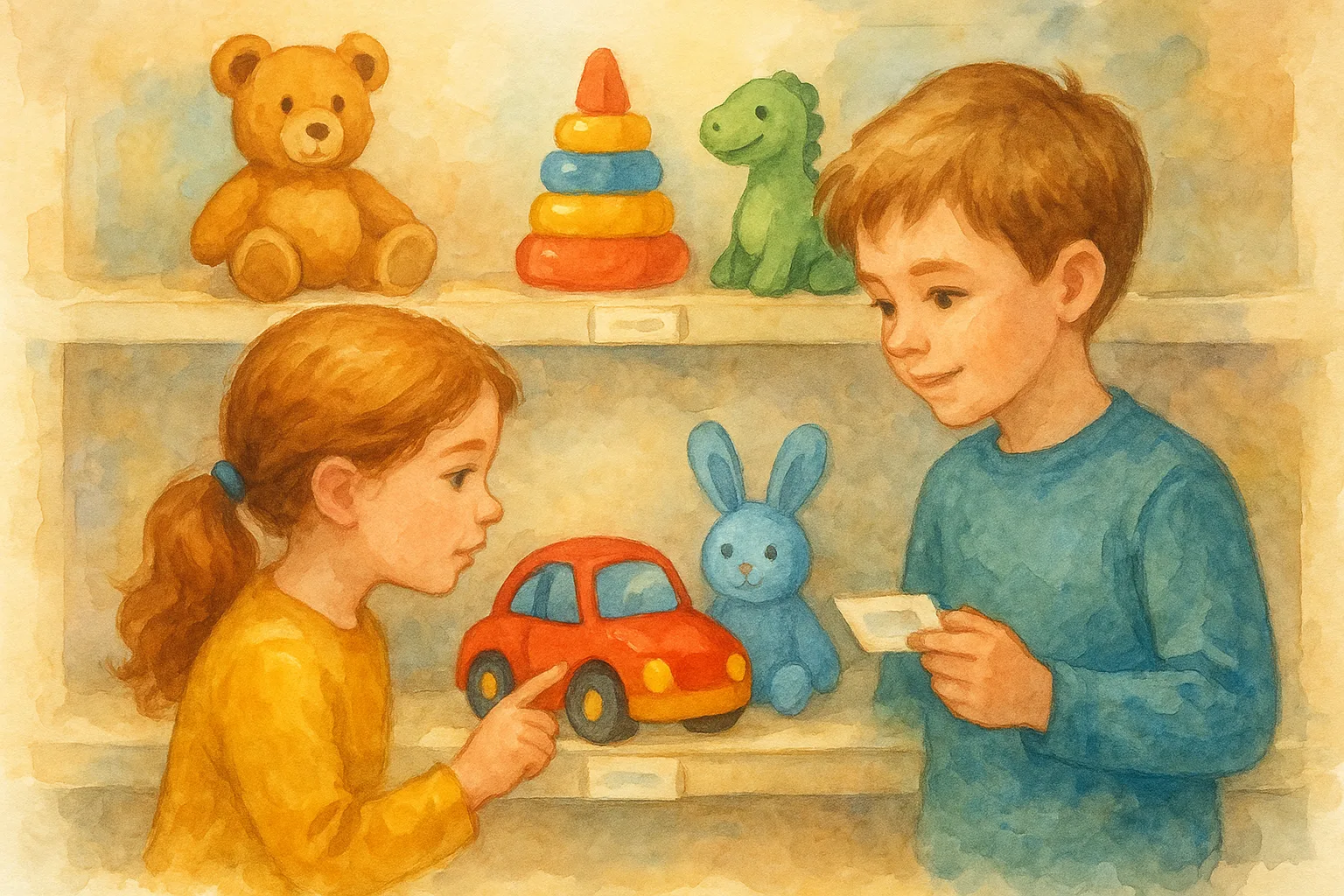
2. Saving for a Toy
If your child wants a new toy, help them set up a saving plan. Here’s a step-by-step way to teach this:
- Set a price for the toy and show them how to calculate how many weeks it will take to save up for it.
- Encourage them to set aside a portion of their allowance or money they receive as gifts.
- Discuss the importance of waiting for something they really want rather than buying on impulse.
This teaches patience and the reward of saving, which are important lessons for future financial decisions.
3. Planning a Family Outing
Family outings can be a fun way to introduce budgeting. For instance, if you plan to go to a theme park, you can involve your child in the planning:
- Discuss the total cost for tickets, food, and transportation.
- Ask them how they think you can save money while still having fun.
- Encourage them to come up with ideas, such as bringing snacks from home or looking for discounts online.
This activity helps them understand how to budget for experiences and teaches them to seek value.
Step-by-Step Tips for Teaching Smart Purchases
Here are some simple tips to make teaching smart purchases more effective:
- Be a Role Model: Show your own decision-making process when making purchases. Talk about why you choose one item over another.
- Encourage Questions: Let your child ask questions about money and purchases. This opens the door for discussions and learning.
- Use Games: Incorporate games that involve money management, like board games or online simulations.
- Reflect on Purchases: After buying something, discuss with your child whether it was a good decision and what they learned from it.
Common Myths About Teaching Kids Money Management
There are some common misconceptions about teaching kids about money. Here are a few myths and the truths behind them:
- Myth 1: It’s too early to teach kids about money.
- Truth: Kids can start learning about money as soon as they can count. Basic concepts can be introduced early on.
- Myth 2: Money lessons are boring.
- Truth: Money lessons can be engaging when they involve real-life situations and fun activities.
- Myth 3: Kids will learn about money in school.
- Truth: Parents and caregivers play a crucial role in teaching practical money skills that school may not cover.
Conclusion
Using real-world scenarios to teach kids about smart purchases is an effective way to help them understand the value of money. By involving them in everyday decisions and encouraging thoughtful discussions, you can equip them with the skills they need for a bright financial future. Remember, the key is to make learning about money fun and relatable!
This article provides general educational information only and is not financial advice. Always seek guidance from a qualified professional for personal financial decisions.
Previous: How to Explain Inflation to Children
Next: How Kids Can Learn About Comparison Shopping