
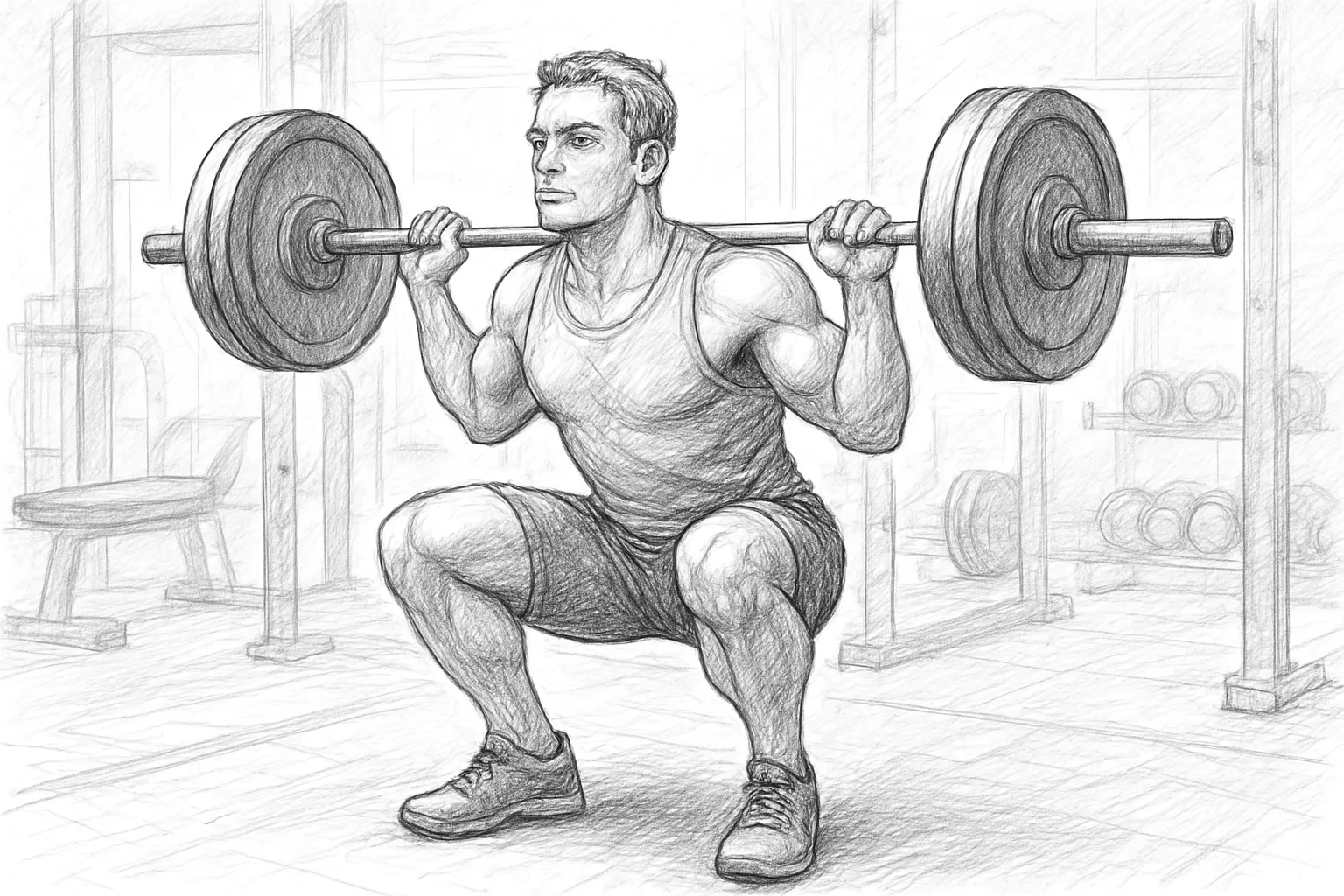
How to Progress Safely in Strength Workouts
Strength training is a fantastic way to improve your health, boost your metabolism, and feel stronger in daily life. But knowing how to progress safely is key to making lasting gains without risking injury or burnout. Whether you’re a beginner or returning to the gym after a break, advancing your workouts thoughtfully will keep you motivated and injury-free.
Start with a Solid Foundation
Before increasing weights or intensity, it’s important to build a good foundation. That means learning proper technique for each exercise. Poor form increases injury risk and can limit how much you safely progress.
- Focus on technique: Use lighter weights or bodyweight to master movements like squats, deadlifts, presses, and rows.
- Warm up properly: A good warm-up increases blood flow and prepares muscles and joints for work.
- Consistency matters: Aim for regular workouts (2–3 times per week) to develop strength gradually.
Progress Gradually and Mindfully
Advancing your workouts should be a steady process. Here are some practical tips to help you progress safely:
- Increase weight moderately: A common guideline is to increase resistance by about 5–10% when you can complete your current sets and reps with good form.
- Adjust reps and sets: If you’re not ready to add weight, try adding more repetitions or an extra set to challenge your muscles.
- Listen to your body: Some muscle soreness is normal, but sharp pain or persistent discomfort is a sign to ease back.
- Schedule rest days: Recovery is when muscles repair and grow stronger. Avoid training the same muscle groups on consecutive days.
- Track your progress: Keep a workout journal to note weights, reps, and how you feel. This helps identify safe progress and avoid plateaus.
Incorporate Variety to Avoid Plateaus
Doing the same exercises repeatedly can lead to plateaus where progress stalls. Mixing up your routine not only keeps things interesting but also promotes balanced strength development.
- Change exercises: Swap out a bench press for push-ups or a barbell row for dumbbell rows occasionally.
- Vary intensity: Include lighter days and heavier days to give your body different stresses.
- Try different training styles: Incorporate bodyweight exercises, resistance bands, or machines to work muscles in new ways.
Myths About Progressing in Strength Training
There are many misconceptions about how to get stronger quickly. Let’s clear up some common myths:
- Myth: More is always better. Overtraining can lead to injury and burnout. Quality beats quantity.
- Myth: You must lift heavy every session. Lifting heavy with proper form is important, but so are lighter sessions focused on technique and recovery.
- Myth: Muscle soreness means a good workout. Mild soreness can happen, but severe or lasting pain is a warning sign.
- Myth: You can skip warm-ups and cool-downs. These help prevent injury and aid recovery.
Practical Habits for Sustainable Strength Progress
Building strength safely isn’t just about what you do in the gym. These habits support your progress:
- Eat a balanced diet: Fuel your body with protein, healthy fats, and carbohydrates to support muscle repair and energy.
- Stay hydrated: Water supports muscle function and recovery.
- Sleep well: Aim for 7–9 hours per night to help your body recover and adapt.
- Manage stress: Chronic stress can hinder recovery and performance.
- Be patient: Strength gains take time. Focus on steady improvements rather than rushing.
When to Seek Help
If you experience persistent pain, feel stuck despite consistent effort, or want personalised guidance, consider consulting a qualified fitness professional. They can help design a tailored plan that matches your goals and abilities.
Conclusion
Progressing safely in strength workouts is about balancing challenge with care. By focusing on proper technique, gradual increases, and recovery, you build strength sustainably and reduce injury risk. Keep track of your progress, vary your routine, and listen to your body. Remember, fitness is a journey—steady, mindful steps lead to lasting results and a healthier, stronger you.
This article provides general educational information only and is not a substitute for professional medical advice. Always consult a qualified healthcare professional for personal guidance.