
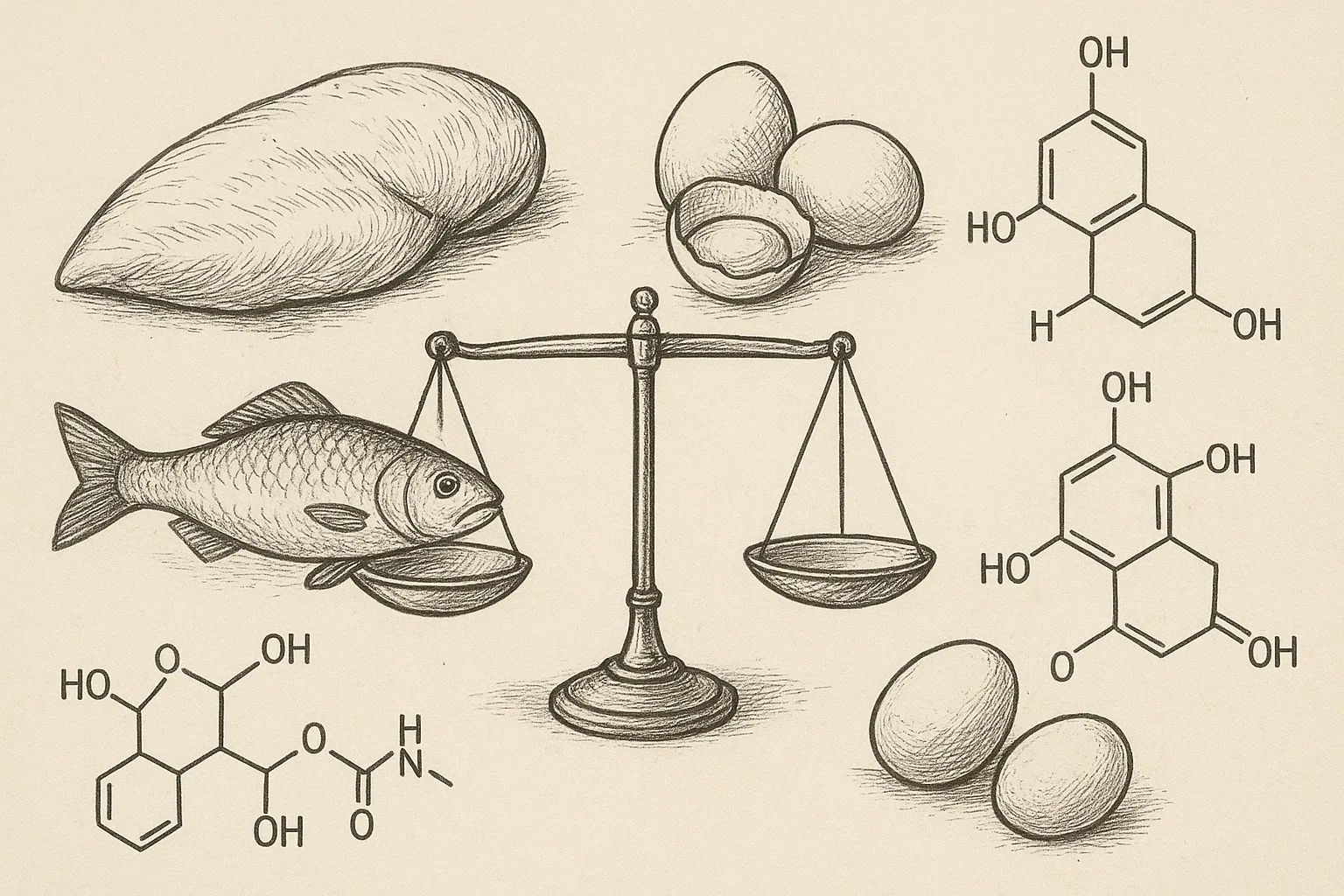
Protein and Hormone Balance: What’s the Connection?
Protein is often celebrated for its role in building muscles and supporting weight management, but did you know it also plays a crucial part in hormone balance? Hormones are chemical messengers that influence everything from mood and energy to metabolism and reproduction. Eating the right types and amounts of protein can support your body’s hormone production and regulation, promoting overall wellbeing.
How Protein Influences Hormone Balance
Proteins are made up of amino acids, which are essential for creating many hormones and enzymes in our bodies. For example, some hormones like insulin and growth hormone depend on adequate protein to be produced effectively. Protein also impacts the release of hormones that regulate appetite and metabolism, such as ghrelin and leptin.
When you consume protein, it triggers the release of hormones that help you feel full and satisfied, reducing cravings and stabilising blood sugar levels. This can help prevent the hormonal rollercoaster often caused by high-sugar or overly processed foods.
Different Types of Protein and Their Effects
Not all proteins are created equal. Here’s a look at some common protein sources and how they might affect hormone balance:
- Whey Protein: Derived from milk, whey is quickly absorbed and rich in branched-chain amino acids (BCAAs), which support muscle repair and growth. Whey protein may also stimulate the release of insulin, a hormone that helps regulate blood sugar.
- Casein Protein: Also from milk, casein digests more slowly, providing a steady supply of amino acids. This slower digestion can help maintain balanced hormone levels over a longer period, making it a good option before sleep.
- Soy Protein: A plant-based protein containing isoflavones, which have mild oestrogen-like properties. These can have subtle effects on hormone balance, sometimes beneficial, especially during menopause, but responses vary between individuals.
- Pea Protein: Another plant-based protein, pea protein is rich in iron and arginine, an amino acid that supports hormone production. It’s hypoallergenic and a good choice for those avoiding dairy or soy.
Choosing a variety of protein sources can help you benefit from different amino acids and bioactive compounds, supporting a more balanced hormonal environment.
Practical Steps to Support Hormone Balance with Protein
Incorporating protein in a way that supports your hormones doesn’t have to be complicated. Here are some practical tips to help you get started:
- Include Protein in Every Meal: Aim to include a source of protein at breakfast, lunch, and dinner to help regulate blood sugar and hormone levels throughout the day.
- Balance Plant and Animal Proteins: Mix animal-based proteins like whey and casein with plant-based options such as soy and pea. This variety ensures a broad range of amino acids and nutrients.
- Choose Whole Food Sources: Whenever possible, opt for whole foods like eggs, legumes, nuts, seeds, dairy, and lean meats. Whole foods provide additional vitamins and minerals that assist hormone production.
- Stay Hydrated: Water supports all bodily functions, including hormone transport and metabolism. Aim for regular hydration throughout the day.
- Manage Stress: Chronic stress can disrupt hormone balance. Pair your mindful protein choices with stress-reducing activities like gentle exercise, meditation, or quality sleep.
- Be Mindful of Protein Timing: If you exercise regularly, consuming protein shortly after activity can aid hormone-related muscle repair and recovery.
Common Myths About Protein and Hormones
There’s a lot of information circulating about protein and hormones, some of which can be misleading. Let’s clear up a few common myths:
- Myth: High protein intake causes hormone imbalances. In reality, moderate protein intake from varied sources supports hormone health. Excessive or very low protein intake may cause issues, but balanced amounts are beneficial.
- Myth: Plant proteins don’t support hormone health as well as animal proteins. Plant proteins like soy and pea offer unique benefits and can be just as effective, especially when combined with a varied diet.
- Myth: Only athletes need to worry about protein and hormones. Everyone’s hormones benefit from stable nutrition, and protein plays a role in maintaining hormone balance regardless of activity level.
- Myth: Protein powders disrupt natural hormone production. Using protein powders as part of a balanced diet is safe and can support hormone health. Choose quality products and avoid relying solely on powders.
Listening to Your Body
Every person’s hormone balance and protein needs are unique. Paying attention to how different foods make you feel can help you find the right balance. If you notice changes in energy, mood, or digestion after adjusting your protein intake, consider experimenting with different types or amounts.
Conclusion
Protein plays a vital role in hormone balance by providing the building blocks for hormone production and influencing hormone-related processes like appetite and metabolism. Incorporating a variety of protein sources—such as whey, casein, soy, and pea protein—can support your hormonal health in a sustainable way. Remember to pair balanced nutrition with stress management and adequate hydration for the best results. Small, consistent changes to your eating habits can make a big difference in how you feel and function each day.
This article provides general educational information only and is not a substitute for professional medical advice. Always consult a qualified healthcare professional for personal guidance.