
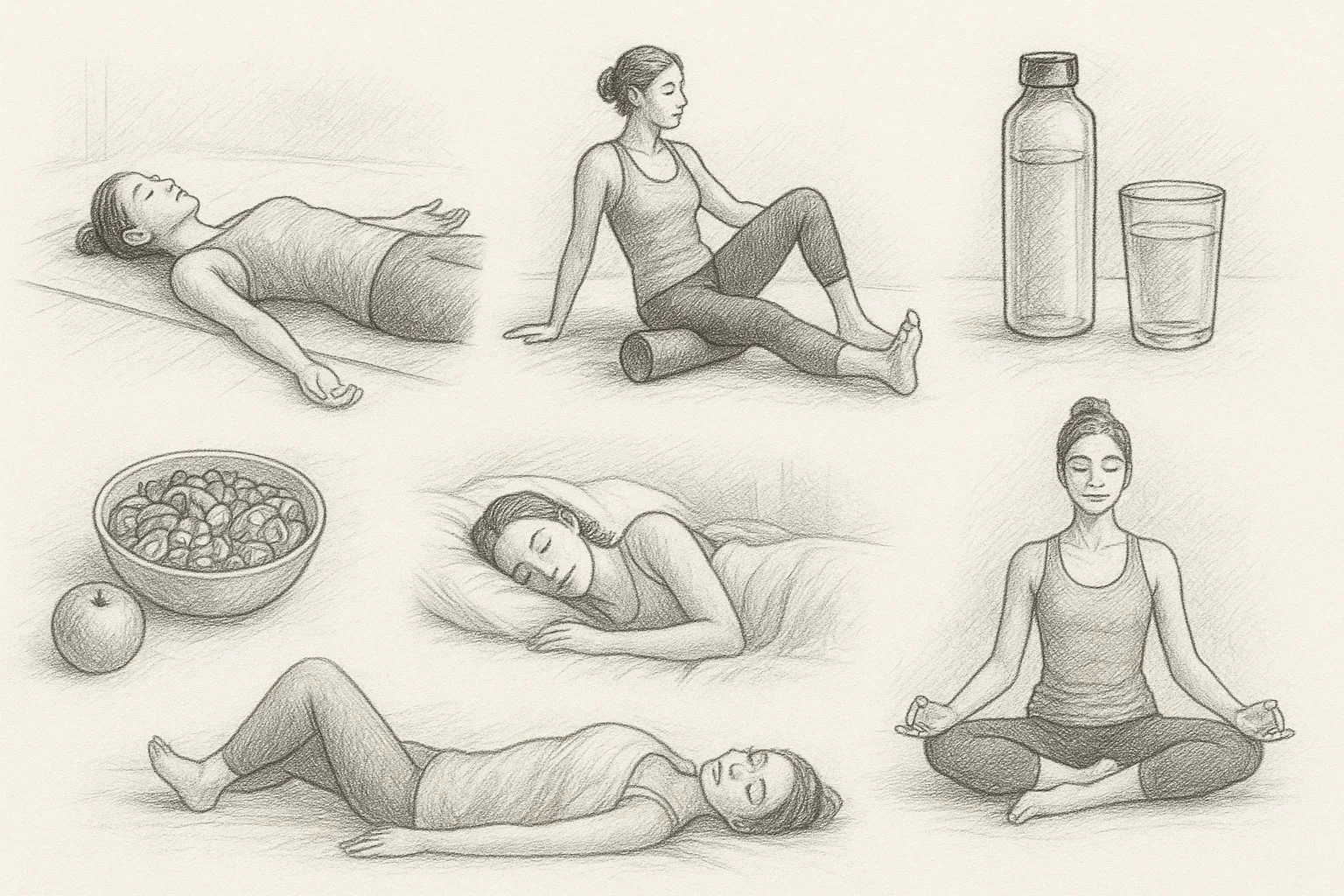
How to Prevent Workout Burnout Through Effective Recovery
Feeling exhausted, unmotivated, or sore after workouts can be signs of workout burnout. Burnout isn’t just about being tired—it’s a state where your body and mind feel overwhelmed by exercise stress, making it harder to stick to your fitness goals. The good news? Preventing burnout is possible, and recovery plays a key role. By adopting practical recovery habits, you can keep your workouts enjoyable, effective, and sustainable.
What Is Workout Burnout?
Workout burnout happens when your body and mind don’t get enough time or tools to recover from physical activity. This can lead to persistent fatigue, decreased performance, irritability, and even injury. Burnout often results from pushing too hard without enough rest or neglecting recovery practices.
Why Recovery Matters
Recovery is the time your body uses to repair muscles, restore energy, and rebalance stress hormones. Without proper recovery, you risk overtraining, which slows progress and increases burnout risk. Recovery isn’t just resting; it’s an active process that supports your overall wellbeing and fitness success.
Practical Tips to Prevent Workout Burnout Through Recovery
1. Prioritise Quality Sleep
- Why: Sleep is when your body repairs muscles and regulates stress hormones.
- How: Aim for 7–9 hours of uninterrupted sleep each night. Create a calming bedtime routine and avoid screens before sleep.
2. Schedule Rest Days
- Why: Rest days give your muscles time to heal and prevent mental fatigue.
- How: Include at least one or two rest days per week depending on your workout intensity. Use these days for gentle activities like walking or stretching.
3. Use Active Recovery
- Why: Light activity increases blood flow and helps reduce muscle soreness.
- How: Try low-impact exercises such as yoga, swimming, or cycling at a relaxed pace on recovery days.
4. Stay Hydrated and Nourished
- Why: Water and nutrients fuel muscle repair and support energy levels.
- How: Drink water throughout the day and include protein-rich foods, healthy fats, and carbohydrates in balanced meals.
5. Listen to Your Body
- Why: Ignoring pain or exhaustion can lead to injury or longer burnout.
- How: Adjust workout intensity or take extra rest if you feel unusually tired, sore, or unmotivated.
6. Incorporate Stretching and Foam Rolling
- Why: These techniques improve flexibility, reduce muscle tightness, and enhance circulation.
- How: Spend 5–10 minutes after workouts stretching major muscle groups or using a foam roller.
7. Manage Stress Beyond Exercise
- Why: Mental stress adds to physical stress, increasing burnout risk.
- How: Practice relaxation techniques such as mindfulness, meditation, or deep breathing regularly.
Common Myths About Workout Recovery and Burnout
Myth 1: “More Exercise Means Faster Results”
Overtraining can actually backfire, causing burnout and injury. Quality and consistency with rest are more effective than simply increasing exercise volume.
Myth 2: “Rest Days Make You Lose Progress”
Rest days help muscles rebuild stronger. Skipping rest can stall your gains and increase exhaustion.
Myth 3: “Only Intense Workouts Need Recovery”
Even moderate exercise stresses your body. Everyone benefits from recovery to maintain balance and prevent burnout.
Myth 4: “Recovery Means Doing Nothing”
Active recovery with gentle movement promotes healing better than complete inactivity.
Building Sustainable Recovery Habits
Preventing workout burnout isn’t about one-off fixes but creating habits that support your body regularly. Here’s a simple step-by-step guide to incorporate recovery into your routine:
- Track your workouts and energy levels. Notice when you feel drained or sore.
- Plan your week with scheduled rest or active recovery days. Treat these as essential as workout days.
- Set a consistent sleep schedule. Aim to go to bed and wake up at the same times daily.
- Include a post-workout recovery routine. Stretch, hydrate, and refuel with nutritious food.
- Practice stress management techniques. Even 5–10 minutes daily can help.
- Adjust based on feedback. If you’re feeling burnt out, reduce intensity and increase rest.
Remember, recovery is as much a part of fitness as the workouts themselves. Treat it as a non-negotiable part of your routine to enjoy long-term success and wellbeing.
Conclusion
Workout burnout can dampen your fitness journey, but it’s preventable through mindful recovery. Prioritising sleep, rest days, hydration, and listening to your body will keep you motivated and injury-free. By busting common myths and adopting sustainable recovery habits, you’ll build a balanced routine that supports both your physical and mental health. Recovery is not a sign of weakness but a vital step toward stronger, healthier fitness results.
This article provides general educational information only and is not a substitute for professional medical advice. Always consult a qualified healthcare professional for personal guidance.