
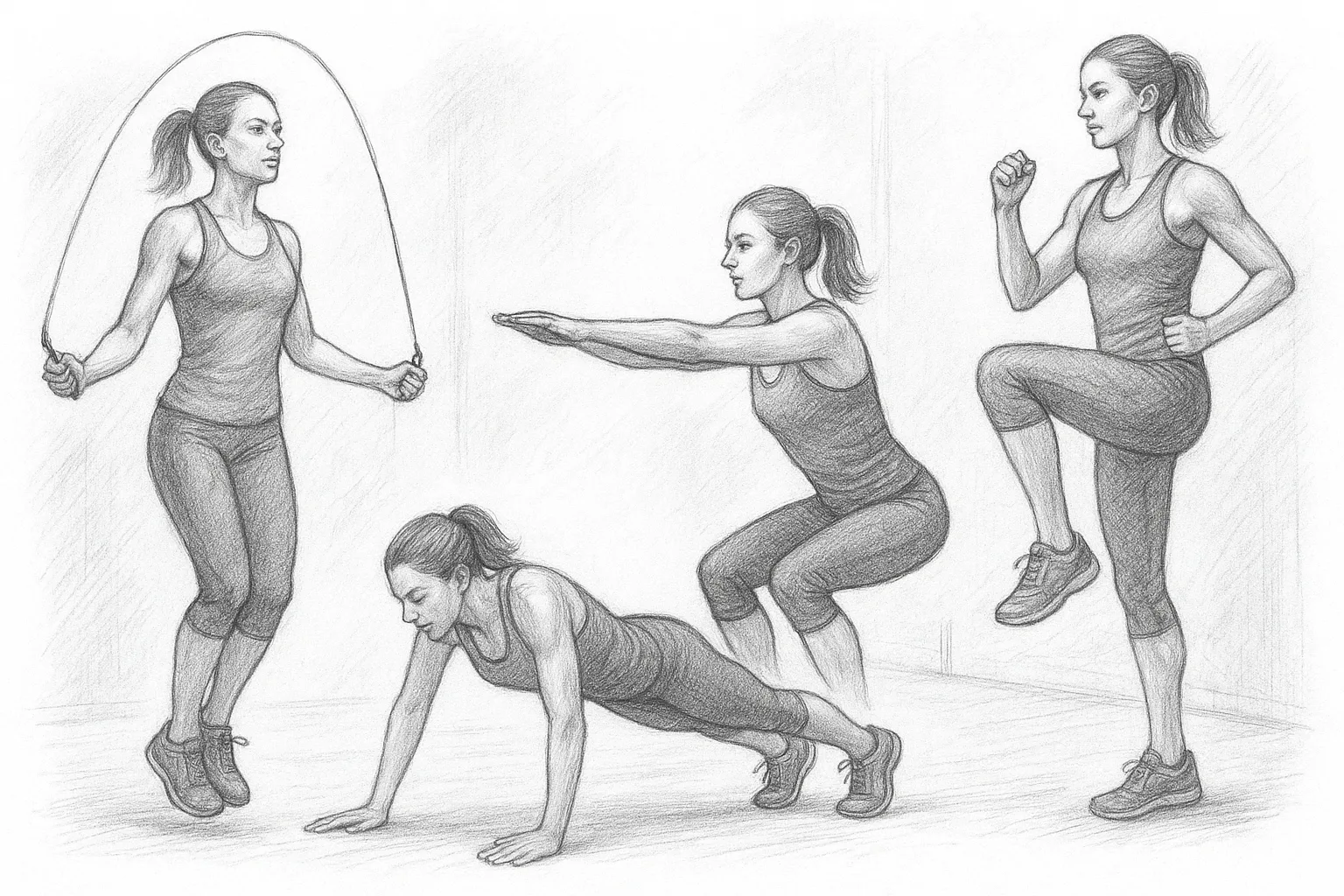
Simple Cardio Routines for Busy Schedules: Stay Active with Ease
Finding time for exercise can be a challenge, especially when your daily schedule is packed with work, family, and other commitments. However, cardiovascular exercise, or cardio, is essential for heart health, energy levels, and overall wellbeing. The good news? You don’t need hours at the gym to reap the benefits. This guide will walk you through simple, effective cardio routines you can fit into even the busiest days, along with practical tips and myth-busting advice to keep you motivated and moving.
Why Cardio Matters
Cardio exercises increase your heart rate and breathing, helping improve your cardiovascular system. Regular cardio supports weight management, reduces stress, boosts mood, and can enhance sleep quality. The UK Chief Medical Officers recommend at least 150 minutes of moderate-intensity cardio or 75 minutes of vigorous cardio weekly, but even short bursts count.
Simple Cardio Routines That Fit Your Busy Life
Here are some easy-to-follow cardio routines designed to be flexible and manageable for any schedule.
1. The 10-Minute Morning Boost
- Warm-up (2 minutes): March on the spot or do gentle arm swings to get your muscles ready.
- Main workout (6 minutes): Alternate between one minute of brisk walking or jogging on the spot and one minute of jumping jacks or high knees.
- Cool down (2 minutes): Slow your pace with gentle walking and deep breathing.
This quick routine jumpstarts your metabolism and energises you for the day.
2. Lunchtime Power Walk
Use your lunch break for a brisk walk outside or around your office building. Aim for 15–20 minutes at a pace where you can talk but not sing. If you’re indoors, try marching or stepping briskly in place.
3. Desk Cardio Intervals
- Set a timer for every hour.
- Stand up and do 1–2 minutes of simple movements like calf raises, marching on the spot, or side steps.
- Repeat throughout the day to break long periods of sitting.
Small bursts add up and keep your circulation active.
4. Evening Dance Party
Put on your favourite upbeat music and dance for 10–15 minutes. Dancing is a fun, low-pressure way to get your heart rate up and lift your mood.
5. Weekend Hikes or Bike Rides
When you have more time, enjoy longer cardio sessions outdoors. Nature walks, hiking, or cycling combine exercise with fresh air and relaxation.
Step-by-Step Tips to Make Cardio Work for You
- Start Small: Begin with short sessions like 5–10 minutes if you’re new to exercise. Gradually increase time and intensity as you feel comfortable.
- Schedule It: Treat cardio like any other appointment. Put it in your calendar or set reminders on your phone.
- Mix It Up: Variety prevents boredom. Alternate walking, jogging, dancing, or cycling to keep things interesting.
- Wear Comfortable Shoes: Supportive footwear helps prevent discomfort and injuries.
- Listen to Your Body: It’s normal to feel some exertion, but avoid pushing through pain. Adjust as needed.
- Stay Hydrated: Drink water before, during, and after exercise.
- Celebrate Progress: Acknowledge your efforts and improvements, no matter how small.
Common Myths About Cardio and Busy Schedules
Myth 1: You Need an Hour to Benefit from Cardio
Even short bursts of activity, like 10 minutes, can improve heart health and mood. The total weekly amount matters more than one long session.
Myth 2: Cardio Has to Be Boring
Cardio can be fun and varied. Dancing, hiking, or playing active games are all great cardio activities.
Myth 3: If You’re Busy, You Can’t Fit in Cardio
Integrating cardio into daily activities—walking during calls, desk exercises, or quick routines—makes it possible to stay active even with a hectic schedule.
Final Thoughts: Making Cardio a Sustainable Part of Your Busy Life
Fitting cardio into a busy schedule doesn’t have to be complicated or time-consuming. By embracing short, enjoyable routines and integrating movement naturally into your day, you can support your health without stress. Remember, consistency is key, and every step counts towards a healthier heart and a happier you. Start where you are, be kind to yourself, and celebrate your progress along the way.
This article provides general educational information only and is not a substitute for professional medical advice. Always consult a qualified healthcare professional for personal guidance.