
How Much Protein per Meal for Muscle Growth?
Protein plays a key role in building and repairing muscles, making it an essential part of any fitness or health plan focused on muscle growth. But how much protein should you actually eat per meal to support muscle gain? Understanding the right amount can help you create sustainable eating habits that fuel your workouts and recovery without overwhelming your diet.
Why Protein Matters for Muscle Growth
When you exercise, especially strength training, your muscles experience tiny tears. Protein provides the amino acids necessary to repair those tears and build new muscle tissue. Without enough protein, your muscles may not recover fully, which can slow progress or even lead to muscle loss.
However, more protein doesn’t always mean more muscle. Your body can only use a certain amount efficiently at one time, so knowing the right portion per meal is important for maximising the benefits.
How Much Protein per Meal?
Research suggests that consuming around 20 to 30 grams of high-quality protein per meal is effective for stimulating muscle protein synthesis—the process your body uses to build muscle. This amount tends to work well for most adults, regardless of body size.
For larger individuals or those with more muscle mass, closer to 40 grams per meal may be more beneficial, while smaller individuals might benefit from slightly less.
Spread Your Protein Intake Throughout the Day
One key to optimising muscle growth is distributing your protein intake evenly across meals rather than consuming most of your protein in one sitting, such as a large dinner. Aim for 3 to 5 protein-rich meals or snacks per day.
- Example: If your daily protein goal is 100 grams, try to eat around 25 grams at four meals instead of 50 grams at one meal and very little at others.
- This steady supply of amino acids supports muscle repair and growth throughout the day.
Which Protein Sources are Best?
Not all protein sources are created equal when it comes to muscle growth. The quality of protein depends on its amino acid profile and digestibility.
- Whey Protein: A fast-digesting, complete protein from dairy, whey is rich in leucine, an amino acid crucial for muscle synthesis. It’s great post-workout or when you need a quick protein boost.
- Casein Protein: Also from milk, casein digests more slowly, providing a steady release of amino acids over several hours. Ideal before bedtime or long gaps between meals.
- Soy Protein: A plant-based complete protein, soy contains all essential amino acids and is a good option for vegetarians or those avoiding dairy.
- Pea Protein: While not a complete protein by itself, pea protein is rich in branched-chain amino acids (BCAAs) and can support muscle growth when combined with other plant proteins.
Choosing a mix of protein sources can help ensure you get a broad range of amino acids and keep meals interesting.
Step-by-Step Tips for Protein Timing and Intake
- Calculate your daily protein needs: A general guideline for muscle growth is about 1.6 to 2.2 grams of protein per kilogram of body weight per day.
- Divide your total protein goal by the number of meals: Aim for 20-30 grams per meal as a practical target.
- Include a protein source at every meal and snack: This helps spread intake evenly.
- Choose high-quality proteins: Incorporate whey, casein, soy, pea, or a variety of whole foods like lean meats, fish, eggs, dairy, legumes, nuts, and seeds.
- Adjust for your lifestyle and preferences: If you train in the evening, a post-workout meal with whey or a balanced protein source is helpful. If you have long gaps between meals, include casein or a slow-digesting protein.
- Stay consistent: Building muscle is a gradual process. Consistently meeting your protein targets across meals helps support steady progress.
Common Myths About Protein and Muscle Growth
- Myth 1: You need huge amounts of protein at once to build muscle.
Reality: Your body can only use a limited amount of protein at a time for muscle synthesis—about 20-30 grams per meal. Excess protein is used for energy or stored as fat.
- Myth 2: More protein means faster muscle growth.
Reality: Consuming more than your daily protein needs won’t speed up muscle gain and can be hard on your kidneys or digestion if excessive.
- Myth 3: Plant proteins aren’t effective for muscle growth.
Reality: While some plant proteins lack certain amino acids, combining sources like pea and rice or eating soy provides complete proteins that support muscle building.
- Myth 4: Protein supplements are necessary.
Reality: Whole foods can provide all the protein you need. Supplements are convenient but not mandatory.
Practical Meal Ideas to Hit Your Protein Goals
- Breakfast: Greek yoghurt with nuts and berries (20-25g protein)
- Snack: A whey protein shake or a handful of roasted chickpeas (15-25g protein)
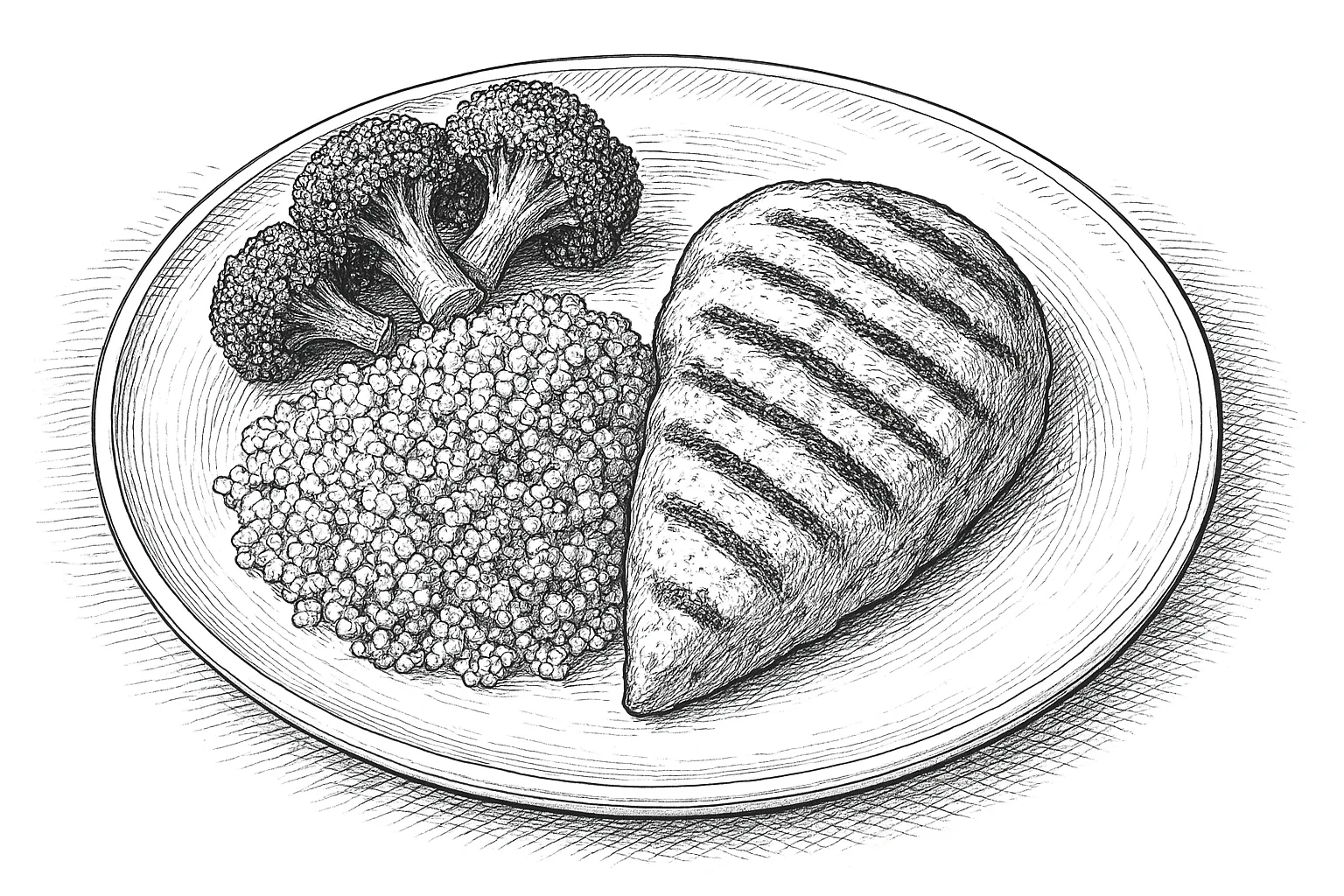
- Lunch: Grilled chicken salad with quinoa and vegetables (25-30g protein)
- Afternoon Snack: Hummus with veggie sticks and a boiled egg (15-20g protein)
- Dinner: Baked salmon with brown rice and steamed broccoli (30-40g protein)
- Evening Snack: Cottage cheese or casein protein pudding (15-20g protein)
Conclusion
Understanding how much protein you need per meal can make a big difference in your muscle growth journey. Aim for around 20-30 grams of high-quality protein per meal and spread your intake evenly throughout the day. Choose a variety of protein sources like whey, casein, soy, and pea to keep your diet balanced and enjoyable. Remember, consistency and balance are key—there’s no need to overcomplicate or overconsume protein. Focus on sustainable, practical habits that fit your lifestyle and preferences for the best results.
This article provides general educational information only and is not a substitute for professional medical advice. Always consult a qualified healthcare professional for personal guidance.