
Series: Marathon Preparation Guide
Phase 5: Marathon Nutrition & Hydration — Part 13 of 24
Introduction
Training for a marathon is as much about what you eat as it is about your running miles. Proper nutrition fuels your workouts, aids recovery, and helps prevent injury and burnout. Without the right daily diet, your body won’t have the energy or resources it needs to perform at its best.
In this guide, we’ll explore practical, evidence-based tips for what to eat while training for a marathon. These suggestions focus on sustainable habits that fit into your daily life, helping you stay energized and healthy throughout your training cycle.
Understanding Your Nutritional Needs
Marathon training increases your energy expenditure significantly. Your diet needs to support:
- Energy demands: Carbohydrates provide the primary fuel for endurance exercise.
- Muscle repair and recovery: Protein helps rebuild muscle fibers stressed during running.
- Overall health: Vitamins, minerals, and hydration aid immune function and performance.
Balancing these components daily creates a strong foundation for your training.
Daily Macronutrient Breakdown
While individual needs vary, a general guideline for marathon training nutrition is:
- Carbohydrates: 55-65% of total calories. Focus on complex carbs like whole grains, fruits, and vegetables.
- Protein: 15-20%. Lean meats, dairy, legumes, and plant-based proteins support muscle repair.
- Fats: 20-30%. Healthy fats from nuts, seeds, avocados, and olive oil aid sustained energy and cell function.
Meal Timing and Composition
Breakfast
Start your day with a balanced meal combining carbs, protein, and some fat. Examples:
- Oatmeal topped with fruit and a spoonful of nut butter
- Whole-grain toast with scrambled eggs and avocado
- Yogurt parfait with granola and berries
This fuels morning runs and sets the tone for stable energy levels.
Pre-Workout Snack
Consume a small carb-rich snack 30-60 minutes before running to top off glycogen stores. Good options include:
- A banana or apple
- A slice of toast with honey
- Energy bar with simple carbs
Post-Run Recovery
Within 30-60 minutes after your run, eat a combination of carbs and protein to replenish glycogen and support muscle repair. Examples:
- Chocolate milk
- Turkey sandwich on whole-grain bread
- Greek yogurt with fruit
Main Meals and Snacks
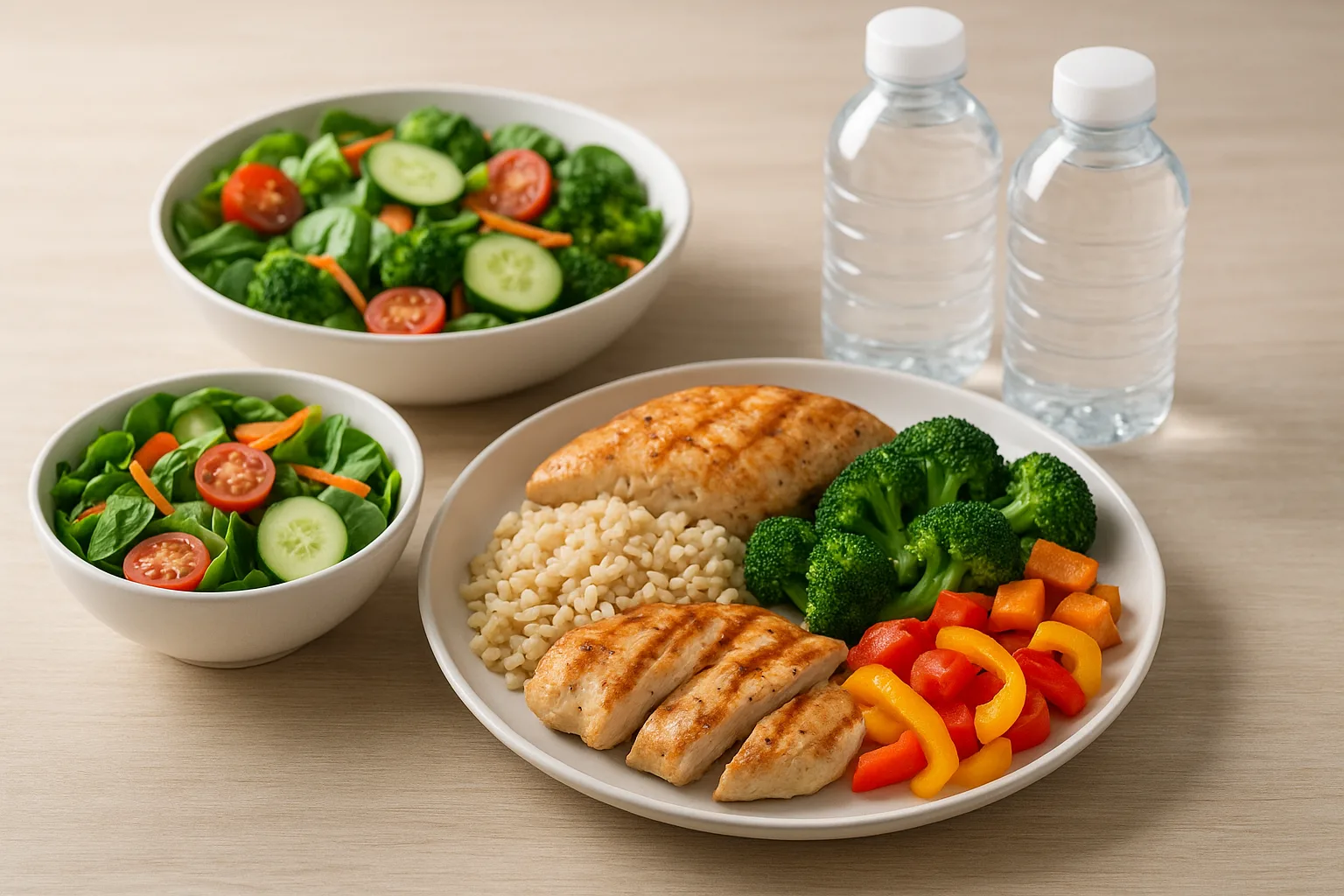
Maintain balanced meals throughout the day. Include plenty of colorful vegetables, lean proteins, and whole grains. Healthy snacks like nuts, seeds, or fruit can help avoid energy dips.
Hydration: Don’t Overlook It
Proper hydration impacts performance and recovery. Aim for:
- Water intake throughout the day (about 2-3 liters, adjusted for sweat rate and climate)
- Electrolyte replacement during long runs or hot weather
- Avoiding excessive caffeine or alcohol which can dehydrate
Sustainable, Practical Tips for Everyday Nutrition
- Plan your meals: Preparing balanced meals ahead prevents relying on convenience foods.
- Listen to your body: Hunger and fullness cues help you avoid under- or overeating.
- Include variety: Eating a wide range of foods ensures you get all the necessary nutrients.
- Experiment during training: Test different foods and timing to find what works best before race day.
- Don’t skip meals: Consistent fueling supports stable energy and recovery.
Common Pitfalls to Avoid
- Relying on processed sugars: They cause energy crashes and don’t provide lasting fuel.
- Ignoring protein needs: Insufficient protein slows recovery and muscle repair.
- Neglecting hydration: Even mild dehydration can impair endurance and cognition.
- Drastic diet changes: Avoid major shifts close to race day to prevent digestive issues.
Takeaway Summary
Eating well during marathon training means consistently fueling your body with a balanced mix of carbohydrates, protein, and healthy fats. Timing your meals and snacks around workouts optimizes energy and recovery. Staying hydrated and listening to your body’s needs supports sustainable progress. Practicing these habits daily builds a strong foundation for your marathon performance.
Action Steps
- Plan and prep balanced meals with whole grains, lean protein, and plenty of vegetables.
- Eat a small carb snack 30-60 minutes before runs to boost energy.
- Prioritize post-run recovery meals with carbs and protein within an hour of finishing.
- Drink water regularly and consider electrolytes during long or hot runs.
- Experiment with foods and timing during training—not on race day.
Conclusion
What you eat while training for a marathon plays a crucial role in your success. By focusing on balanced, nutrient-rich meals and thoughtful timing, you’ll fuel your runs effectively and recover well. Adopting these sustainable eating habits makes your training more enjoyable and sets you up for a strong race day. Remember, consistency is key—nourish your body daily to unlock your best performance.
Suggested affiliate finds
Disclosure: As an Amazon Associate, we earn from qualifying purchases — helping support our content at no extra cost to you.
Previous: Common Marathon Injuries and How to Prevent Them
Next: Marathon Hydration Guide: Water, Electrolytes & Long Runs