
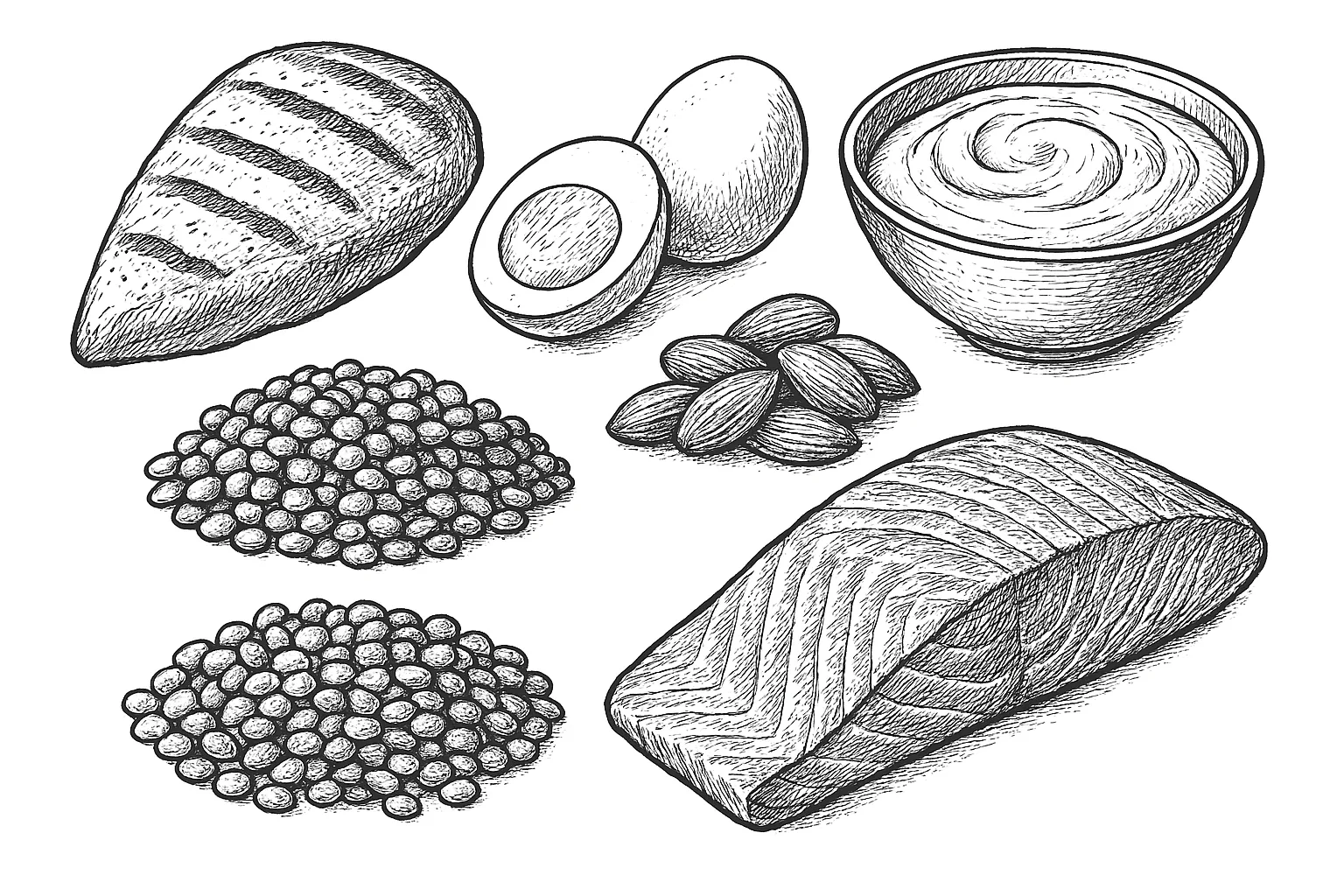
Top High-Protein Foods for Everyday Fitness
Protein plays a vital role in supporting fitness and overall wellbeing. Whether you’re aiming to build muscle, recover from exercise, or simply maintain a balanced diet, including the right high-protein foods can make a big difference. In this article, we’ll explore some of the top protein sources that fit well into everyday meals, focusing on whey, casein, soy, and pea proteins. We’ll also bust some myths and share practical tips to help you make sustainable choices.
Why Protein Matters for Everyday Fitness
Protein provides the building blocks (amino acids) your body needs to repair tissues, produce enzymes, and support muscle growth. When combined with regular physical activity, a diet rich in protein supports recovery and helps maintain strength. It also helps you feel fuller for longer, which can be useful for managing weight and energy levels throughout the day.
Comparing Popular High-Protein Foods: Whey, Casein, Soy, and Pea
Let’s take a closer look at four popular types of protein, each with unique benefits and uses.
Whey Protein
Whey is a complete protein derived from milk and is quickly absorbed by the body. This rapid absorption makes it a favourite among fitness enthusiasts for post-workout recovery. Whey contains all nine essential amino acids needed for muscle repair and growth.
- Benefits: Fast digestion, rich in branched-chain amino acids (BCAAs), supports muscle recovery.
- Best for: Post-exercise shakes, quick protein boosts.
- Considerations: Not suitable for those with dairy allergies or lactose intolerance.
Casein Protein
Also from milk, casein digests more slowly than whey, providing a steady release of amino acids over several hours. This makes it an excellent choice for sustained protein supply, such as before bedtime.
- Benefits: Slow digestion, supports overnight muscle repair.
- Best for: Evening snacks or meals to provide protein throughout the night.
- Considerations: Like whey, it’s dairy-based and may not suit everyone.
Soy Protein
Soy protein is plant-based and also considered a complete protein, containing all essential amino acids. It’s a great alternative for vegans, vegetarians, or those reducing dairy intake.
- Benefits: Plant-based, good amino acid profile, may support heart health.
- Best for: Those seeking dairy-free or plant-based options.
- Considerations: Some people may be sensitive to soy; aim for non-GMO and minimally processed options.
Pea Protein
Pea protein is another popular plant-based choice, known for its digestibility and rich content of certain amino acids like arginine. Though not a complete protein by itself, it pairs well with other plant proteins to provide a balanced amino acid profile.
- Benefits: Easily digestible, hypoallergenic, sustainable crop source.
- Best for: People with allergies or sensitivities to dairy or soy.
- Considerations: Often combined with other plant proteins for completeness.
Incorporating High-Protein Foods into Your Daily Routine
Building sustainable habits around protein intake doesn’t mean complicated meals or expensive supplements. Here are some simple, practical steps to help you include these top protein sources in your everyday diet:
- Start your day with protein: Add whey or soy protein powder to your morning smoothie or porridge for an energising boost.
- Plan balanced meals: Include a source of protein like lean meat, tofu (soy), or legumes alongside vegetables and whole grains.
- Use casein for a slow release: Consider a casein-based snack or drink before bed to support overnight recovery, especially if you’re active.
- Snack smart: Try roasted chickpeas, nuts, or a pea protein-based snack bar to keep energy levels steady between meals.
- Mix plant proteins: Combine pea protein with grains like rice or oats to create a complete protein profile in vegetarian meals.
- Stay consistent: Aim for protein at each meal to help with muscle maintenance and satiety throughout the day.
Common Myths About Protein and Fitness
Misconceptions about protein can lead to confusion or unhelpful habits. Let’s clear up a few common myths:
- Myth 1: You need excessive amounts of protein to gain muscle. Truth: Most adults can meet their needs with moderate amounts spread throughout the day combined with exercise.
- Myth 2: Plant proteins are incomplete and less effective. Truth: Many plant proteins, including soy, are complete. Combining different plant sources can cover all amino acids.
- Myth 3: Protein powders are necessary for fitness success. Truth: Whole foods can provide plenty of protein. Powders are convenient but not essential.
- Myth 4: More protein means better results. Truth: Excess protein is not stored as muscle and may burden the kidneys over time if consumed in very high amounts.
Final Thoughts: Making Protein Part of Your Everyday Fitness Journey
Choosing the right protein sources like whey, casein, soy, and pea can support your fitness goals and overall health when included as part of balanced, enjoyable meals. Focus on sustainable, realistic habits such as mixing protein types, timing your intake to match your activity, and prioritising whole foods. Remember, fitness is a journey that benefits from consistency and kindness towards yourself.
This article provides general educational information only and is not a substitute for professional medical advice. Always consult a qualified healthcare professional for personal guidance.